

2026 Best Cable Lug Types for Global Buyers?
Choosing the right Cable Lug in 2026 requires more than comparing prices or browsing polished product photos. Global buyers must examine conductor size, material, plating, barrel design, and installation conditions. A copper lug may suit high-conductivity applications, while aluminum lugs can reduce weight and material cost. However, compatibility between metals needs careful attention.
Small details matter.
A reliable selection also depends on crimping tools, inspection methods, and documented test results. Look for products supported by clear specifications, traceable materials, and recognized standards such as IEC or UL, where applicable. Regional requirements may differ, so one certificate should not be treated as universal approval. Experienced installers often check the lug’s inner diameter with the actual cable, not only the printed size. This simple step can prevent loose connections, overheating, and costly rework.
The best cable lug type depends on the application. Battery systems, switchboards, solar installations, industrial motors, and outdoor equipment may require different designs. Tin-plated copper can help resist oxidation, especially in humid environments. Sealed or inspection-window options may improve installation control. Yet product descriptions are not always complete. I have seen specifications omit plating thickness or crimp recommendations, which creates avoidable uncertainty.
Buyers should ask practical questions before ordering: Is the lug tested with the intended conductor? Which die profile is required? Can the supplier provide batch records and dimensional drawings? Price matters, but failure at a crowded terminal cabinet costs more than a careful purchase. This guide compares major Cable Lug types for global buyers, while recognizing that no single option fits every project.
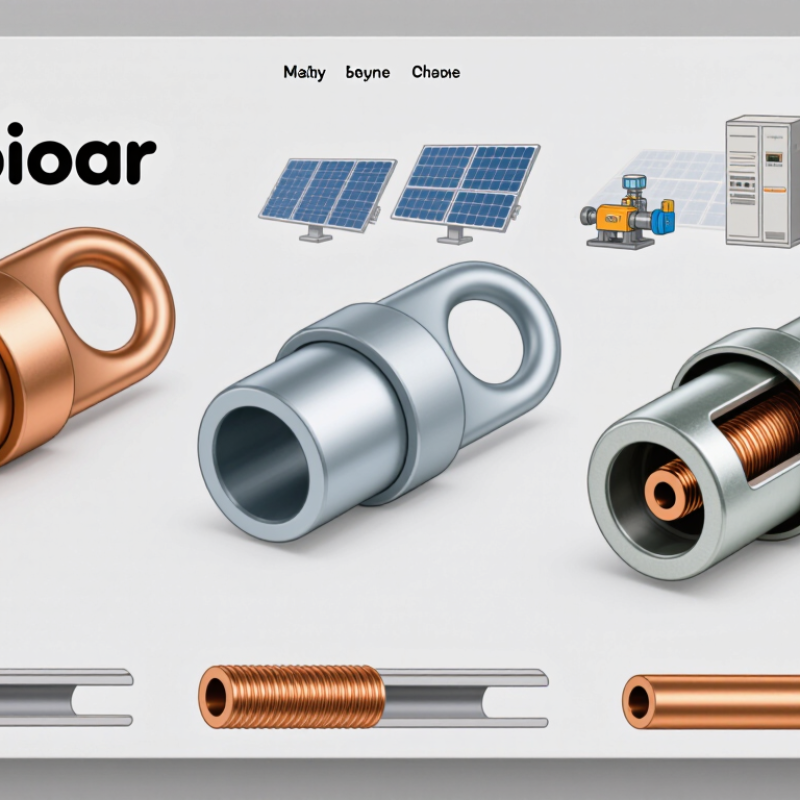
Cable Lug Basics and Their Role in Electrical Connections
Cable lugs are small termination components, but they carry a major electrical responsibility. They connect a cable conductor to equipment, busbars, switches, and distribution blocks. This interface reduces contact resistance and supports stable current flow. A properly fitted lug also helps prevent loose strands, overheating, and movement caused by vibration. Poor selection creates hidden risks. The joint may look secure while remaining electrically weak. Not always obvious.
Common cable lug types include compression, mechanical, pin, fork, ring, and bimetallic designs. Compression lugs require the correct die and controlled crimping force. Mechanical lugs use bolts, making inspection and adjustment easier. Bimetallic lugs help join aluminium conductors to copper terminals while reducing galvanic concerns. Material choice matters. Copper suits many copper conductors, while tinned surfaces can improve resistance to moisture and oxidation.
Selection should begin with conductor material, cross-sectional area, terminal size, and installation environment. Check the lug’s temperature rating and applicable testing requirements. Then confirm that the crimping tool matches the lug design. Installation quality is critical. Use calibrated tools, remove insulation carefully, and inspect the finished crimp. For outdoor or corrosive locations, sealing and surface protection deserve attention. A neat connection is not automatically a reliable one, and product data should never replace practical verification.
2026 Best Cable Lug Types for Global Buyers? - Cable Lug Basics and Their Role in Electrical Connections
| Cable Lug Type | Typical Conductor Compatibility | Common Material | Connection Method | Main Advantages | Important Considerations | Typical Applications |
|---|---|---|---|---|---|---|
| Compression Lug | Copper or aluminum stranded conductors; select the lug for the conductor size and class. | Tinned or bare copper; aluminum for aluminum conductors. | Permanent crimping with a matched die and approved crimping tool. | Low contact resistance, strong pull-out performance, vibration resistance, and consistent installation when correctly crimped. | Requires the correct die, number of crimps, conductor preparation, and installation procedure. | Switchboards, distribution panels, transformers, motor connections, and renewable-energy systems. |
| Mechanical Lug | Solid or stranded copper and aluminum conductors, depending on the product design. | Copper alloy, aluminum alloy, or plated conductive alloy. | Bolts, set screws, or shear-head screws apply mechanical pressure to the conductor. | Removable, reusable in some designs, and convenient where crimping equipment is unavailable. | Torque must be controlled; periodic inspection may be needed in high-vibration or thermal-cycling environments. | Service connections, switchgear, retrofit work, and maintenance installations. |
| Bimetallic Lug | Aluminum conductor to copper busbar, terminal, or equipment connection. | Aluminum barrel with a copper palm, normally joined by a friction-welded or equivalent transition. | Crimped or mechanically secured according to the lug design. | Helps reduce galvanic corrosion and supports reliable aluminum-to-copper transitions. | Correct orientation, surface preparation, oxide control, and compatibility with the conductor are essential. | Power distribution, utility equipment, transformers, and aluminum cable terminations. |
| Pin Lug | Flexible stranded copper conductors, especially in screw-clamp terminals. | Copper or tinned copper. | A tubular barrel is crimped onto the conductor; the pin enters the terminal clamp. | Prevents strand spreading and simplifies insertion into narrow terminal blocks. | Pin diameter and length must match the terminal; it is not a substitute for a ring connection where pull-out security is required. | Control cabinets, terminal blocks, circuit protection devices, and industrial automation wiring. |
| Ring Terminal Lug | Single or stranded copper conductors, depending on the barrel design. | Copper, tinned copper, or nickel-plated copper for selected environments. | Crimped barrel with a circular mounting hole secured by a bolt or stud. | The closed ring helps prevent accidental disconnection when the fastener loosens slightly. | Hole diameter, stud size, palm width, insulation clearance, and current rating must be checked. | Batteries, grounding points, control panels, automotive wiring, and general equipment connections. |
| Fork or Spade Lug | Small and medium copper conductors used with screw terminals. | Tinned copper or copper alloy. | Crimped barrel with an open-ended mounting slot. | Fast installation without fully removing the terminal screw. | Less resistant to pull-out than a closed ring; the terminal screw must provide adequate clamping. | Control wiring, instrumentation, low-voltage panels, and maintenance work. |
| Butt Connector | Two copper conductors of the same or compatible size, depending on the connector specification. | Copper or tinned copper; insulated versions may use polymer sleeves. | Compression joins two conductor ends inside a single barrel. | Provides an in-line cable splice without a terminal stud or busbar. | The joint requires suitable insulation and environmental sealing where exposed to moisture, chemicals, or movement. | Cable repair, harness assembly, vehicle wiring, control circuits, and in-line extensions. |
| 90-Degree or Angled Lug | Copper or aluminum conductors where cable routing space is limited. | Tinned copper, bare copper, aluminum, or bimetallic construction. | Compression or mechanical termination with an angled palm or barrel. | Improves cable routing and can reduce bending stress near equipment terminals. | Confirm bend radius, palm orientation, clearance, and terminal accessibility before ordering. | Compact switchgear, motor terminals, battery banks, and densely arranged electrical cabinets. |
| Long-Barrel Lug | Flexible, stranded, or fine-stranded conductors when additional crimp length is required. | Tinned copper or aluminum. | Multiple compression points along an extended barrel. | Provides increased mechanical grip and can improve resistance to vibration and pull-out. | Requires sufficient installation space and the correct multi-crimp sequence. | Industrial power cables, mobile equipment, high-vibration installations, and large conductor terminations. |
| Solder-Type Lug | Selected copper conductors and specialized wiring assemblies. | Copper, tinned copper, or plated copper. | Conductor is inserted and secured using solder, sometimes with additional mechanical support. | Useful for certain electronics and legacy assembly processes where soldering is controlled. | Solder can soften under heat and may be vulnerable to mechanical fatigue; it is not suitable for every power application. | Electronics, instrumentation, communications assemblies, and specialized low-current wiring. |