

2026 Top Vaping Electronic Cigarette Types for Buyers?
Choosing among the 2026 Vaping Electronic Cigarette types starts with understanding how each format works. This guide compares common options, including pod systems, vape pens, and larger adjustable devices. Each has different trade-offs in size, battery capacity, upkeep, and ease of use. A pocket-sized pod may suit someone who values simple handling, while a larger device can offer more settings and require more maintenance. Bigger is not automatically better.
A useful comparison looks beyond appearance. Check the manufacturer’s instructions, battery safety information, replaceable-part availability, and clear product labeling. Consider how often a device needs charging and whether its components are easy to clean or replace. Small details matter. A leaking pod or a worn cable can change the daily experience more than a feature list suggests. Product claims also deserve a careful read; impressive wording is not proof of quality.
This overview is intended for adults who already use vaping products and want clear, practical comparisons. Nicotine can be addictive, and vaping is not risk-free. People who do not use tobacco or nicotine should not start vaping; those considering a change for health reasons can speak with a qualified health professional. Local rules and product standards vary, so verify current requirements before buying. Even a careful guide has limits: device quality can vary between models, and personal preferences are not universal.
What Defines a Vaping Electronic Cigarette in 2026?
A vaping electronic cigarette is a battery-powered device that heats a liquid into an inhalable aerosol. The World Health Organization describes these products by their aerosol-producing function, not by one fixed shape. Most systems include a battery, a heating element, and a liquid reservoir. The aerosol is not simply water vapor. Its contents can vary with the liquid, device design, and heating conditions.
In 2026, the main forms remain disposable devices, reusable pod systems, and larger refillable devices. A disposable integrates the battery and liquid supply; a pod system uses a replaceable or refillable cartridge. Larger devices typically have separate tanks and adjustable settings. Those details define how a device is used and maintained, but not its quality or safety. The label “vape” is broad, and product categories can overlap.
Market figures show the category’s scale, not its performance. Grand View Research estimated the global e-cigarette and vape market at about US$26.3 billion in 2023, with strong growth projected through 2030. That estimate groups varied devices together, so it cannot tell buyers which design is reliable. WHO technical reporting also notes that emissions depend on product and use conditions. A neat category chart can hide real variation.
The Main Types of Vaping Devices Available to Buyers
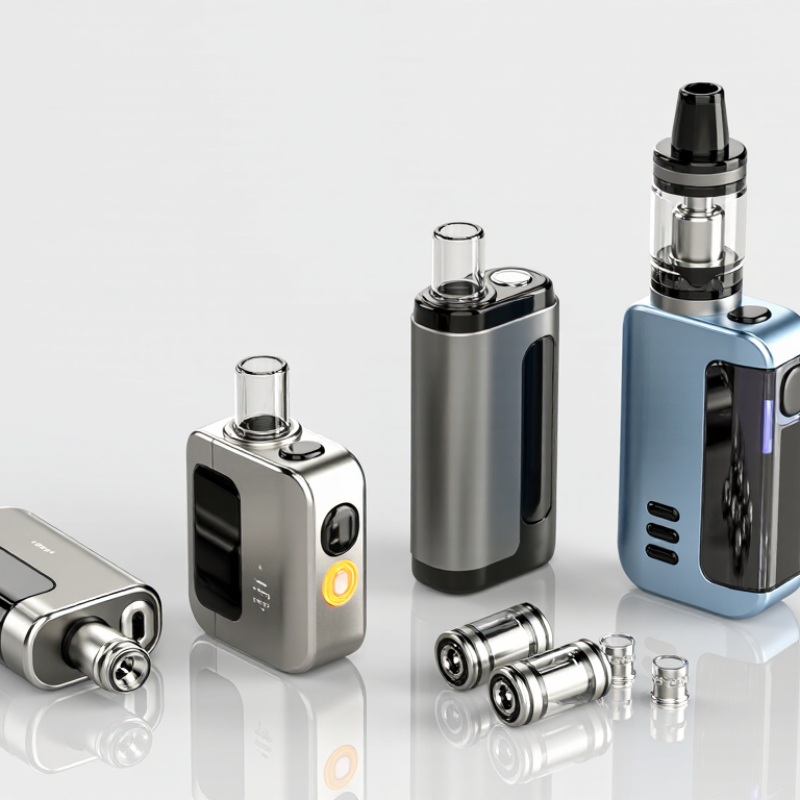
Vaping devices generally fall into several types, and their differences affect size, maintenance, and how they deliver aerosol. Pod systems use small replaceable or refillable pods. They are compact, with few settings to manage. Simple to handle. Vape pens have a narrow, tube-shaped body and often hold more liquid than compact pod devices. Larger box-style devices may offer adjustable power, but their menus and upkeep can feel complicated. Some devices are single-use; their battery and liquid capacity are fixed. The categories can blur, so labels alone do not tell buyers how a device will feel in daily use.
When comparing device types, check the instructions, charging method, and whether the pod or tank can be replaced. Look for clear information about ingredients and nicotine content, if present. Nicotine is addictive, and vaping aerosol is not harmless; non-smokers should not start. Not risk-free. A small device may fit in a coat pocket, yet frequent charging or refilling can become a nuisance. Larger equipment may provide more control, but it also requires careful cleaning and battery handling. These are practical trade-offs, not guarantees of safety or quality. Buyers should check current local rules and consult qualified health guidance when needed.
How Each Vaping Device Type Works
Disposable, pod, pen, and tank devices use the same basic process: a battery powers a heating coil, which warms liquid held in a wick or cartridge. The resulting aerosol is inhaled; it is not simply water vapor. The National Academies’ 2018 report found that device design, power settings, and liquid composition can change what the aerosol contains. The mechanism is simple. The output is not.
Disposable devices arrive prefilled, while pod systems use small replaceable or refillable cartridges. Both generally send power to a compact coil when the user inhales or presses a button. Pen-style devices usually have a rechargeable battery and a larger refillable chamber. Tank devices hold more liquid and often let users adjust airflow or power, which changes coil temperature and aerosol production. More control also means more settings to understand.
In the CDC’s 2024 National Youth Tobacco Survey, disposable devices were the most commonly reported type among surveyed youth who currently vaped: 55.6 percent. That figure describes youth respondents, not all buyers. It shows why device popularity should not be mistaken for a measure of safety or performance. One awkward detail: labels may say “adjustable,” but that alone does not explain how a setting affects aerosol. Battery condition, coil wear, and leaks also matter. None of these device types is risk-free.
2026 Top Vaping Electronic Cigarette Types for Buyers? - How Each Vaping Device Type Works
| Device Type | How It Works | Liquid or Material System | Typical Features | Care and Practical Considerations |
|---|---|---|---|---|
| Disposable Vape | A built-in battery powers a heating coil when the user inhales or activates the device. The coil heats liquid to create an inhalable aerosol. | Pre-filled liquid reservoir; the device is generally designed to be discarded when depleted or no longer functional. | Usually compact and requires little setup. Some models are rechargeable, but the liquid reservoir is not intended to be refilled. | Not designed for routine maintenance. Contains a battery and electronic components, so it should be handled and disposed of according to local battery and e-waste rules—not placed in ordinary recycling unless accepted. |
| Closed-Pod System | A rechargeable battery supplies power to a replaceable pod. In many designs, the pod contains both the liquid and the coil; inhaling activates the heater. | Sealed, pre-filled pods that are replaced when empty. | Compact format with simple operation and limited user adjustment. Pod compatibility is specific to the device design. | Requires charging and replacement pods. Check for leaks or damaged contacts, and follow the manufacturer’s charging and storage instructions. |
| Open-Pod System | A battery powers a coil in a refillable pod. Liquid is added through a fill port, and the coil heats it when the device is activated. | Refillable pod, with either an integrated coil pod or a replaceable coil, depending on the design. | Often small and portable; some models offer adjustable power or airflow. Requires users to select and refill compatible liquid. | Pods and coils need periodic replacement. Keep liquid away from children and pets, clean spills promptly, and avoid using a coil that tastes burnt or is visibly damaged. |
| Vape Pen | A rechargeable, pen-shaped battery sends power to a heating coil in a tank or cartridge. The coil warms the liquid held around or near it. | Usually a refillable tank; some versions use replaceable cartridges. | Typically has a larger battery and liquid capacity than very small pod devices, with straightforward controls on many models. | May require tank cleaning, coil replacement, and occasional seal checks. Use only compatible parts and charging equipment specified for the device. |
| Box Mod with Tank | An electronic control unit regulates battery power delivered to a coil in a separate tank. Some devices allow users to adjust power or temperature-related settings. | Usually a refillable tank with replaceable coils; some advanced setups use a rebuildable atomizer. | Often offers more settings and a larger battery capacity than compact devices. Operation and maintenance can be more involved. | Incorrect settings, damaged batteries, or incompatible components can create safety risks. Use undamaged, compatible batteries and follow device instructions; do not modify protections or use damaged equipment. |
| Rebuildable Atomizer Device | A user-installed coil or heating element warms liquid supplied by a wick. The device may be powered by a regulated mod or, in some designs, a mechanical device. | Refillable atomizer with user-installed coils and wicking material. | Highly configurable, but requires technical knowledge and regular inspection. Not generally a beginner-oriented format. | Coil building and battery use require careful understanding of electrical limits. Errors can cause overheating or battery failure; use regulated equipment and seek qualified guidance rather than guessing at compatibility. |
| Heat-Not-Burn Tobacco Device | An electrically powered heating element warms a purpose-made tobacco stick or capsule without using the same liquid-and-coil system found in most e-cigarettes. | Purpose-made tobacco consumables; not typically refillable with e-liquid. | Uses a different mechanism from e-cigarettes and may have device-specific cleaning and consumable requirements. | It still involves tobacco and can deliver nicotine. Follow the product instructions and local rules; “heat-not-burn” does not mean harmless. |
Health and safety: Vaping aerosol is not harmless, and nicotine is addictive. These products are not for people who do not use tobacco or nicotine, young people, or anyone who is pregnant. Laws and age limits vary by location. Keep all devices and liquids away from children and pets, and follow local guidance for safe battery and electronic-waste disposal.
Key Differences in Design, E-Liquid, and Operation
Vaping devices vary most visibly in shape and size. Disposable-style units are compact and usually arrive ready to use, while pod systems have a small battery and a replaceable or refillable pod. Larger refillable devices may offer adjustable airflow and power. They can also feel less convenient in a pocket. The categories can blur, so check what parts are replaceable before choosing.
E-liquid affects both taste and sensation. Many liquids contain propylene glycol, vegetable glycerin, flavorings, and sometimes nicotine. A higher vegetable-glycerin proportion may produce denser vapor, while propylene glycol can make flavor and throat sensation more noticeable. But device design matters too; the same liquid may feel different in two systems. Read ingredient and nicotine-strength information carefully. Nicotine is addictive, and vaping is not risk-free.
Operation can be simple or hands-on. Some devices activate when the user inhales; others use a button. Refillable models require users to fill the pod or tank and replace worn coils according to the instructions. Keep it simple. Battery capacity, charging method, and airflow controls affect daily use more than appearance alone. For adult consumers, compare these details and follow the manufacturer’s guidance. A sleek finish is nice, but it cannot tell you how a device will perform over time.
Factors to Consider When Choosing a Vaping Device
For adults who already vape, device choice should start with routine, not appearance. A compact pod system fits a coat pocket and usually has fewer settings to manage. Larger devices may offer adjustable power, but more controls also mean more upkeep. Check battery capacity, charging instructions, coil availability, and whether the tank can be cleaned without tools. A loose charging cable or unclear manual is a warning sign. Small details matter.
Battery safety deserves close attention. The U.S. Fire Administration’s 2017 review documented 195 e-cigarette fire or explosion incidents from 2009 to 2016, with 133 acute injuries. Choose a device with clear safety instructions and credible electrical-safety testing; do not charge it unattended or with a damaged cable. Nicotine strength and airflow can also affect the experience, so avoid assuming that a stronger setting is automatically better. The CDC notes that e-cigarette aerosol can contain harmful substances, and it is not harmless water vapor. If you do not currently use nicotine, starting is not a health-neutral choice. Check local product requirements, read the manufacturer’s care guidance, and be honest about one limitation: specifications alone cannot tell you how a device will feel in daily use.
2026 Top Vaping Electronic Cigarette Types for Buyers
Compare common device types by typical design features when choosing a vaping device.
Scores are qualitative design tendencies, not market statistics: 0 = uncommon, 0.5 = varies by model, and 1 = typical. Features differ across products. Consider portability, refillability, power controls, and maintenance; this chart is not a health or safety rating. Nicotine is addictive, and local laws apply.