

top of page

What Is the Best Beverage Can End Type in 2026?

Choosing the best Beverage Can End in 2026 is not a simple contest between designs. The right end must match the drink, can body, filling equipment, and customer expectations. A familiar stay-on tab may suit a high-volume sparkling water line, while a larger opening can make a flavored drink easier to pour. Small details matter: opening force, drinking comfort, coating performance, and how reliably the end forms a secure double seam. A poor fit can cause production slowdowns or frustrate customers. It happens.

This guide compares common end styles through practical criteria rather than claims of one universal winner. We look at compatibility with carbonated and still beverages, line changeover needs, material use, recyclability, and the experience of opening and drinking from the can. Buyers should also consider real production data, supplier specifications, and trials on their own equipment. A design that works smoothly on one line may behave differently on another. That is easy to overlook. The 2026 choice may also depend on local recycling systems and changing packaging goals, so broad sustainability claims deserve careful checking. There is no perfect end. The most reliable decision comes from balancing performance, cost, and user needs, then validating that balance with samples and seam inspections. Some trade-offs remain, and they should be stated plainly.
What Is the Best Beverage Can End Type in 2026?

What Is a Beverage Can End and How Does It Work?

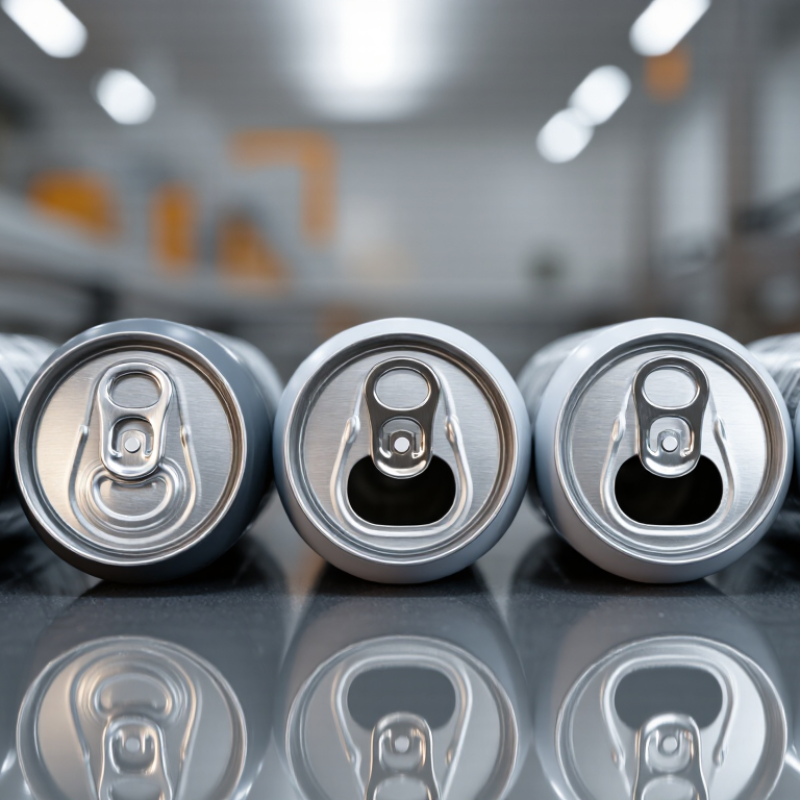
A beverage can end is the metal closure sealed onto the can body. Its curled edge joins the body through a double seam, creating a tight barrier against leaks and air. On a typical easy-open end, a scored panel marks the opening, while a small rivet anchors the tab. The tab is designed to stay attached. That small hinge matters.

Pressing the tab down makes it act as a lever. Its nose pushes against the scored panel, breaking the score and creating a pour opening. The opening size and score depth must be balanced: too hard to open frustrates users, while an overly weak score can compromise handling. A useful caveat: end performance also depends on the can’s pressure, material thickness, and seam quality. One component cannot tell the whole story.

Tips: Check that the tab sits flat and the end has no dents near the seam. For context, the Can Manufacturers Institute’s 2023 aluminum can recycling data report put the U.S. aluminum beverage can recycling rate at 43%. The end is part of that package, but recycling outcomes also depend on collection and sorting systems.

Which Beverage Can End Types Are Available in 2026?

In 2026, the most familiar beverage-can end is the stay-on-tab, or SOT. Its scored panel opens when the tab is pressed and remains attached. That keeps the loose tab out of the way and suits many carbonated drinks. Small opening, controlled pour. For everyday use, it is a practical default, not an automatic winner.

Large-aperture ends offer a wider drinking opening, which can make pouring or drinking more comfortable. Full-aperture ends remove nearly the entire top panel, giving broad access but also making spills easier. Some specialty beverage formats use peelable foil ends. These are not interchangeable with typical scored metal ends, especially when internal pressure is a concern. The exact option depends on the can body, seam design, filling process, and drink’s pressure.

There are trade-offs. A larger opening may feel convenient, yet it can affect handling and package strength. A standard SOT may be reliable, but its opening can feel cramped for some drinks. I would not choose by tab shape alone. Ask the can supplier for samples, then check opening comfort, pour control, and compatibility with the intended beverage. Real use can expose details a drawing misses.

What Is the Best Beverage Can End Type in 2026? — Which Beverage Can End Types Are Available in 2026?

Can End Type Opening Design Typical Applications Main Advantages Selection Considerations Availability in 2026
Standard stay-on-tab (SOT) end A scored opening panel is pushed inward by a riveted tab; the tab remains attached to the end. Carbonated soft drinks, beer, sparkling water, energy drinks, and many other canned beverages. Widely used, familiar to consumers, and designed to keep the tab attached after opening. Compatible with many high-speed filling and seaming lines. Offers a conventional drinking aperture rather than a wide opening. The end must match the can body and the filler’s seaming specifications. Widely available; the most common general-purpose choice for beverage cans.
Large-opening end (LOE) A shaped score and tab create a larger opening than a conventional SOT design. Beer, ready-to-drink beverages, and other products where a broader drinking or pouring opening is preferred. Provides greater access for drinking and pouring, and can be convenient when serving a beverage over ice. The opening geometry and tab design differ from standard SOT ends. Confirm compatibility with the can format, filling line, and consumer-use requirements. Available; commonly offered for applications that call for a larger aperture.
Full-aperture or 360-degree opening end The scored panel is designed to open across nearly the full top of the can, rather than forming a small drinking aperture. Specialty beverages and serving formats where broad access to the contents is a priority. Allows wide access to the can’s contents and can make pouring or sharing easier. The opening method and end construction are specialized. Check handling, consumer safety, can design, and line compatibility before selecting it. Available as a specialty format; not as universal as standard SOT ends.
Resealable or slider-style end A movable component covers or reopens a drinking aperture after the initial opening. Selected specialty products where consumers may want to cover the opening between sips. Can provide a means of covering the aperture after opening, which may help limit spills during handling. More complex than a conventional stay-on-tab end. Evaluate cost, ease of use, cleaning and recycling guidance, and compatibility with the packaging line. Available in niche applications; less common than standard and large-opening ends.

How to choose: There is no single best end for every beverage. Standard SOT ends are a practical default for broad availability and familiar use; a large-opening end may suit products intended for wider drinking or pouring access. Specialty full-aperture and resealable designs can fit specific serving needs. Final selection depends on the can body, product, filling and seaming equipment, market requirements, and local recycling guidance.

How Do Can Ends Compare in Safety, Cost, and Sustainability?

What Is the Best Beverage Can End Type in 2026?

For most drinks, the stay-on-tab end remains a practical choice. Its tab stays attached after opening, reducing loose pieces that could become litter or pose a small handling hazard. The opening is familiar, too. Still, sharp edges around a newly opened can deserve care, especially when the rim is damaged.

Wide-opening ends can make a cold drink easier to sip and pour. They may suit beverages served over ice, but the larger aperture can affect panel strength and tooling needs. That can add cost, depending on the line and production volume. Peel-off ends offer a broad opening, yet the detached lid creates another piece to collect and sort. Small detail. It matters.

Sustainability depends on the whole package, not just the end. Lightweight aluminum ends can use little material, and attached tabs are less likely to be discarded separately. Recycling performance still depends on local collection and sorting systems. Matching the end material with the can body can also help recyclers, though designs vary. There is no perfect winner. A familiar stay-on-tab end often balances safety, cost, and recovery well, but “best” shifts with the drink, opening experience, and recycling route. The trade-off is less tidy than a chart suggests.

Which Can End Features Matter for Different Beverages?

The best can end depends on how a beverage pours, feels, and holds its quality. For sparkling drinks, a reliable double seam and a well-controlled opening score help protect carbonation before opening. The tab should lift smoothly without requiring excessive force. Small details matter.

For juice, iced tea, and other still beverages, opening size can shape the drinking experience. A wider aperture may make pouring into a glass easier, while a compact opening can help limit splashes during a quick sip. Consider the drink’s texture, too. Pulp or thicker ingredients may need more clearance than a clear, water-like beverage. A sharp edge or awkward tab can make even a good drink feel less convenient.

Coffee and other ready-to-drink beverages may benefit from ends designed for controlled sipping and dependable resealing where the format allows it. Check compatibility with the can body, filling line, and closure equipment; an end that looks suitable on paper may slow production or create handling issues. Trial samples help reveal opening force, pour behavior, and leaks under real conditions. Specs are useful, but not the whole story. A test can still miss how cold fingers grip a tab or how a drink foams after opening.

What Is the Best Beverage Can End in 2026?

Which can-end features matter most for different beverages?

Practical design-fit ratings from 1 (lower priority) to 5 (higher priority), not measured market or consumer data. Pressure containment is especially relevant to carbonated drinks; opening size, ease of opening, and resealability depend on the intended drinking experience and package design.

How to Choose the Best Beverage Can End for an Application

What Is the Best Beverage Can End Type in 2026?

The best beverage can end depends on the drink, filling process, and how people will consume it. A standard stay-on-tab end suits many everyday beverages and offers a familiar opening. A larger aperture can make pouring easier, especially for thicker drinks or beverages served over ice. For sparkling products, confirm that the end and can are designed for the expected internal pressure. Small details matter. Check that the end fits the can body and seaming equipment; a mismatch can lead to leaks or production delays.

Think about the full use case, not just the opening. A narrow drinking aperture may help control flow, while a wider one can improve access and pouring. Consider whether consumers need to reseal the container, and whether the added mechanism fits your cost and packaging goals. Ask your packaging and filling teams to test samples on the actual line. Review seam quality, opening force, and product behavior after storage. A choice that looks ideal on paper may be less practical in production. That is worth checking early.

Tips: Share the beverage type, carbonation level, can dimensions, and filling conditions with your end supplier. Run a small production trial, then inspect seams and test opening comfort with real users. Keep notes; one round of testing may not reveal every issue.

Article Source:

bottom of page