

What Is the Best Espresso Machine in 2026?
Choosing the best Espresso Machine in 2026 depends less on shiny features than on how you make coffee each morning. The National Coffee Association’s 2024 National Coffee Data Trends report found that 67% of U.S. adults had coffee in the past day. That figure does not tell us which machine they use, but it shows why reliable home brewing matters to many people.
This guide compares machines by practical details: espresso consistency, temperature control, grinder quality, warm-up time, cleaning, and cost. A pressure gauge can look reassuring, yet it cannot fix stale beans or an uneven grind. Not just pressure. A capable grinder and repeatable workflow often matter more than a crowded control panel. We also consider the counter space a machine occupies, the noise it makes before breakfast, and whether its controls feel clear with sleepy hands.
There is no perfect machine—and that is worth admitting. A compact model may suit a small kitchen but frustrate someone who wants precise adjustments. A premium machine may offer greater control without making every shot better. Rather than treating marketing claims as proof, we’ll distinguish manufacturer specifications from independent evidence and explain who each option may suit. The goal is a grounded shortlist, not a universal winner: useful for beginners, experienced home baristas, and anyone trying to spend wisely.
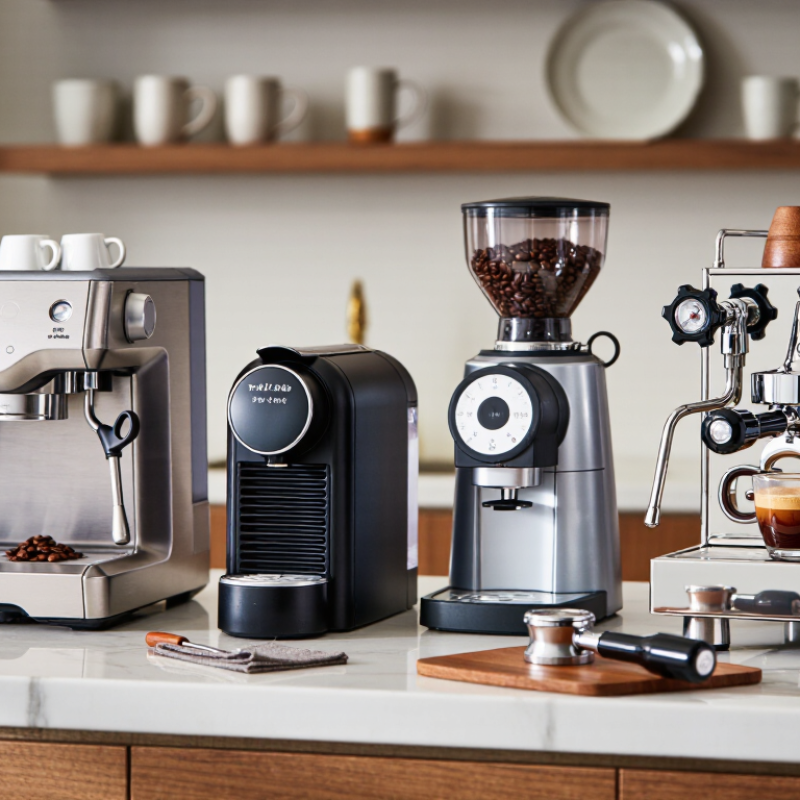
How Espresso Machines Turn Coffee and Water Into Espresso
What Is the Best Espresso Machine in 2026?
How Espresso Machines Turn Coffee and Water Into Espresso
An espresso machine pushes heated water through finely ground, compacted coffee. That short journey extracts soluble compounds, oils, and aromatic gases into a small, concentrated drink. The pump or lever supplies pressure; the heating system brings water to a suitable temperature.
Many recipes use water around 90–96°C and pressure near 9 bars, though the best settings depend on the coffee and machine. These figures are useful starting points, not guarantees.
The coffee puck matters just as much. A dose that is unevenly distributed can leave channels, letting water rush through some areas while missing others. The result may taste sharp, thin, or bitter. A steady grind, level tamp, and fresh beans help make extraction more repeatable.
It sounds simple. It isn’t.
Watch the stream: it should generally begin dark, then lighten as the shot runs. Timing can help, but a 25-second shot is not automatically delicious. Taste it, adjust the grind, and change one variable at a time.
Crema adds texture and visual appeal, but its thickness alone does not prove quality. Even careful routines can be a little messy; small changes in dose or coffee age sometimes call for another adjustment.
Which Features Matter Most When Comparing Machines in 2026
When comparing espresso machines in 2026, look for steady temperature, adjustable pressure, and clear control over shot time. The National Coffee Association’s 2024 National Coffee Data Trends report found that 67% of U.S. adults had coffee the previous day. For frequent use, simple cleaning and a short, predictable warm-up matter as much as extra settings. Small hassles add up.
Water quality deserves attention, too. The Specialty Coffee Association’s water-quality guidance places suitable brewing-water total dissolved solids at 75–250 mg/L, with 150 mg/L as a target. A machine cannot compensate for poor water or inconsistent grinding. Check whether its temperature and pressure are adjustable, and whether the portafilter and drip tray are easy to rinse. A built-in grinder saves counter space, but a separate grinder can offer finer adjustments. I would not choose by screen size alone; it looks impressive, yet it tells little about shot consistency. Compare machines using the same beans, dose, and grind, then note shot time and taste. Even that test is imperfect: small changes in humidity can shift the result.
How the Main Types of Espresso Machines Differ
What Is the Best Espresso Machine in 2026?
How the Main Types of Espresso Machines Differ
Espresso machines differ in how much work they leave to the person brewing. A manual lever machine puts pressure control in your hands. You grind the beans, tamp the coffee, and move the lever to pull the shot. It rewards patience. Small changes in grind or pressure can noticeably alter the taste, so this type suits curious users more than hurried mornings.
A semi-automatic machine handles water pressure but lets you start and stop each shot. You still adjust the grind and dose, which makes it a useful middle ground for learning. Automatic machines usually stop a shot at a programmed volume, reducing guesswork without removing every decision. A kitchen scale and a consistent dose can help reveal why one shot tastes sour while another turns bitter. It takes practice.
Super-automatic machines can grind, dose, and brew at the press of a button; some also froth milk. They save counter-side effort, but cleaning the brew unit and milk system remains essential. Convenience is not the same as control, and settings may take time to understand. There is no perfect category for everyone: consider your morning routine, tolerance for cleanup, and interest in adjusting each cup before choosing. Personally, ease of use can matter more than a machine’s feature list.
How Performance, Price, and Upkeep Shape a Machine’s Value
The best espresso machine in 2026 is not automatically the fastest or most expensive. Its value depends on how reliably it makes a drink you enjoy, and what it costs to keep working. The National Coffee Association’s 2024 National Coffee Data Trends report found that 67% of U.S. adults drank coffee daily. For frequent drinkers, even small differences in cleanup and consistency add up.
Compare price per expected cup, not just the sticker price. At two shots a day for five years, a machine makes about 3,650 shots; every $365 in purchase and repair costs adds roughly ten cents per shot. That estimate excludes coffee, water filters, and your time. One weakness: it assumes steady use. Repairs count.
Upkeep is part of performance. Check whether the drip tray lifts out easily, the group area can be wiped clean, and replacement seals are available. A machine that needs frequent descaling may frustrate households with hard water. The Specialty Coffee Association’s Coffee Value Assessment framework treats quality as more than a single score; that is a useful reminder here. A technically strong shot matters, but so does a routine you will actually maintain. Small details matter. A short warm-up time is appealing, yet inconsistent temperature can make dialing in coffee harder. Compare warranty terms and service access before deciding.
How to Choose the Best Espresso Machine for Your Needs
The best espresso machine in 2026 depends less on a feature list than on how you make coffee each morning. Start with your routine. Do you want one quick espresso before work, or several milk drinks for a household? A compact, simple machine may suit the first case. For the second, look for a stable brew temperature and steam power that can keep up. Small details matter: measure your counter, check the water-tank opening, and picture cleaning the drip tray on a busy day.
A capable grinder is just as important as the machine. Freshly ground coffee lets you adjust the grind when a shot runs too fast or tastes sharp. Some machines include a grinder, which saves space but may limit future upgrades. A separate grinder costs more and takes room. There is no perfect setup. Even experienced users sometimes pull a disappointing shot.
Think about your learning curve, too. Manual machines offer control, but they require practice with dose, tamping, and timing. Automatic options reduce guesswork, though they cannot make every coffee taste identical. Look for clear controls, accessible cleaning instructions, and parts you can maintain. If you mainly drink straight espresso, prioritize temperature consistency and easy adjustments. If you prefer lattes, test how comfortably the steam wand handles a small pitcher. Choose the machine you will use gladly, not the one with the longest feature list.
Related Posts
-
What is the Future of Espresso Machine Technology and Innovation
-
Revolutionizing Coffee Culture the Future of Espresso Machine Innovations
-
Mastering the Art of Coffee with a Robot Espresso Machine
-
How to Choose the Best Espresso Machine for Home Use?
-
Trends Shaping the Future of Coffee Robot Machines in Global Markets 2025
-
China's Premium Production: Your Ultimate Partner for the Best Barista Coffee Machines Worldwide