

Best Hot Stamping Plate Supplier in China for Global Buyers
Choosing the best Hot Stamping Plate supplier in China takes more than comparing prices. Buyers need plates that transfer fine details cleanly, withstand repeated production cycles, and arrive with dependable technical support. A small flaw can show up as a broken line, uneven foil coverage, or wasted material on the press. Details matter.
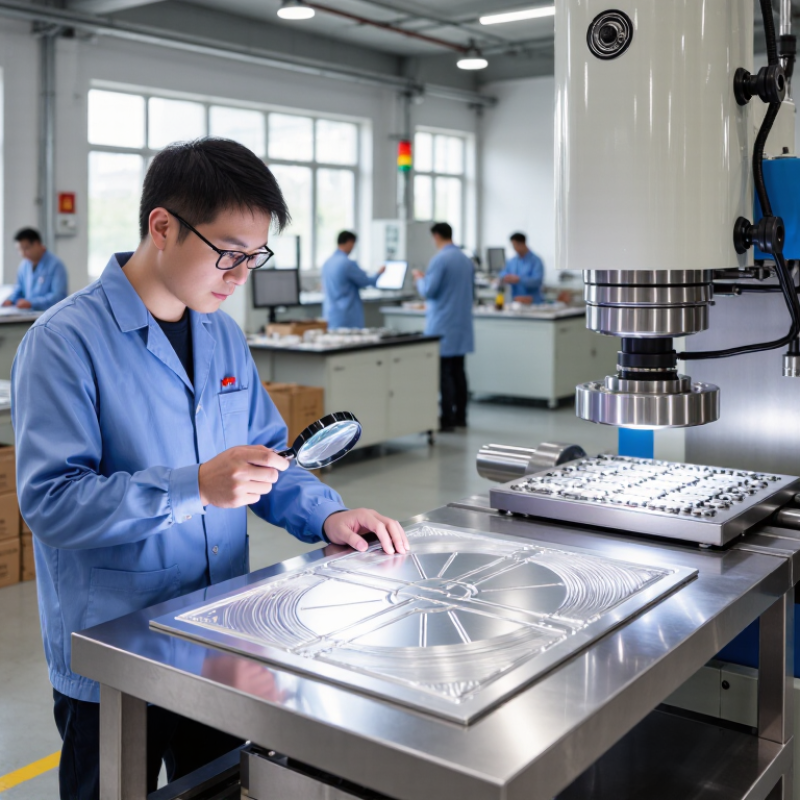
To avoid presenting an unverified statement as a real interview, this guide uses an illustrative expert voice: Lin Wei, a fictional tooling engineer. “A plate earns its value on the press, where detail, durability, and consistency meet.” The principle is simple, but supplier claims still need checking. Ask about plate material, engraving precision, suitable applications, sample approval, and quality inspection. Request clear specifications and close-up images of actual work, not only polished catalog photographs.
Global buyers should also examine communication, packaging, production schedules, and after-sales support. Confirm how the supplier handles design changes and what information is needed before production begins. A reliable partner should explain limitations as well as strengths. That matters. No plate fits every job, and even a promising sample may behave differently under another press, foil, or operating setup. A careful evaluation can reveal those gaps before a large order. This introduction outlines practical ways to compare Chinese suppliers and identify a Hot Stamping Plate manufacturer whose capabilities match your production needs. Some decisions remain uncertain until testing. Plan for that.
What Hot Stamping Plates Are and How They Work
A hot stamping plate is a shaped metal die that transfers a design onto a surface using heat and pressure. The plate may carry raised lines, lettering, or a textured pattern. During production, it presses against stamping foil, releasing a thin decorative layer onto paper, packaging, or another suitable material. The plate does not print ink. It creates a firm, defined impression.
The process depends on several details working together. An operator aligns the plate with the artwork, sets the temperature and pressure, then adjusts contact time. Too little heat may leave gaps; too much can blur fine edges or mark the substrate. Small changes matter. Plate material and engraving depth should suit the design, expected run size, and material being stamped. The setup is not always as tidy as diagrams suggest. A slightly uneven sheet or worn mounting surface can affect consistency. Checking a test impression under production conditions helps reveal issues before a full run begins. Temperature readings alone do not tell the whole story. Contact, foil behavior, and the substrate all shape the final result.
Key Factors for Choosing a Supplier in China
Choosing a hot stamping plate supplier in China starts with the job, not the lowest quote. Share the substrate, foil type, artwork, press model, and expected run length. Ask how the supplier selects brass, copper, or magnesium, and what thickness and relief depth they recommend. A plate that looks clean on screen may still produce weak edges or uneven foil transfer. Request a production sample on your actual stock. Small details matter.
Check process control, too. Ask for machining tolerances, flatness checks, and inspection records linked to each order. For fine text or small ornaments, request close-up photos and a trial impression before approving production. Confirm how revisions are handled; artwork changes can affect line width, plate depth, and delivery dates. It is easy to overlook these costs. Not ideal, but realistic.
A reliable supplier should provide a written quote with tooling, sampling, packing, and shipping costs separated. Check lead time against your schedule, including proof approval and transport, rather than relying on one estimate. Discuss protective packaging: plates need dry wrapping, rigid support, and clear labels to prevent scratches and mix-ups. Communication deserves a test. Send a technical question and see whether the reply is specific, timely, and honest about uncertainty.
How to Assess Manufacturing Quality and Certifications
A hot stamping plate may look flawless under warehouse lights and still warp after repeated heating. Ask for the steel grade, heat-treatment record, hardness readings, and flatness tolerance. Request results from several points across the plate, not one convenient spot. Then compare those values with your drawing and operating temperature. Small differences matter.
Certification is useful, but it is not proof of every plate’s performance. The ISO Survey 2022 reported more than 1.26 million valid ISO 9001 certificates across 189 countries and economies. That scale shows how widely quality management systems are used; it does not certify a specific product. Check that the certificate is current, covers the actual manufacturing site, and comes from an accredited certification body. Numbers help. Not enough.
For a supplier assessment, review inspection plans, calibration records, material traceability, and nonconformance reports. Ask how rejected plates are contained and corrected. A sample trial under your own heating cycle can reveal distortion or uneven transfer that documents miss. Keep the test conditions consistent, and record the plate temperature, cycle count, and measured flatness. An audit can still miss a weak shift handover. That is worth checking. ISO 9001 supports process control; it does not replace product-specific testing or clear acceptance criteria.
Comparing Product Range, Pricing, and Export Services
A useful comparison starts with the plate range. Check whether a supplier offers brass, copper, magnesium, or other materials suited to your press and substrate. Ask about available thicknesses, plate sizes, engraving depth, and surface finish. A sample plate can reveal burrs or uneven edges that a catalogue photo may hide. Details matter.
Compare quotations on identical specifications. A low unit price may exclude artwork preparation, proofing, or finishing. Request a written breakdown for tooling, setup, sample production, and repeat orders. Also confirm tolerances and how defects are handled. I would not assume that every supplier uses the same definition of “ready to ship”; clarify what inspection happens before dispatch. A clear quote helps, though it may still leave room for questions.
Export support affects the real cost and schedule. Ask how plates are protected against scratches, moisture, and impact; sturdy inserts and sealed wrapping are practical details. Confirm estimated production time, shipment options, tracking, and the export documents provided. For a first order, request a digital proof and a small trial run when possible. Keep communication in writing, especially for dimensions and delivery terms. One missed measurement can turn a competitive offer into an expensive delay.
How to Evaluate a Hot Stamping Plate Supplier
Suggested weighting for comparing suppliers on product range, pricing, quality, and export services. These percentages are a buyer’s evaluation framework, not market-survey results.
Product range and pricing help establish fit and value; quality consistency and export support are also important when sourcing internationally. Adjust the weights to match your project requirements.
Steps for Verifying and Partnering with a Supplier
Choosing a hot stamping plate supplier starts with evidence, not a polished catalog. Request a sample plate, its material certificate, hardness results, and documented thickness and flatness tolerances. Compare those figures with your drawing. Then inspect the plate under angled light; uneven machining or rough edges can affect fine lettering. Ask how each batch is identified and whether inspection records link to that batch.
Check the supplier’s quality system, but verify the certificate’s scope and validity with its issuer. The International Organization for Standardization’s ISO Survey 2022 reported 1,265,216 ISO 9001 certificates worldwide. That scale makes certification useful, not conclusive. Numbers need context. Ask for calibration records, a recent inspection report, and the name of the facility that will make your order. A sales office and a production site are not always the same place.
Run a paid trial using your actual artwork, foil, and substrate. Check line sharpness, consistent transfer, and plate wear after repeated impressions. A small truth: a successful sample does not guarantee every production batch will match. Record agreed tolerances, lead time, packaging, and how defects will be handled in the purchase documents. If possible, review one finished plate in person or through a live video inspection. Keep the first order modest; real production feedback can reveal gaps that paperwork misses.