

7 Best Mother Tissue Roll Suppliers for Global Buyers
Global buyers need more than a low price when choosing a Mother Tissue Roll supplier. Reel quality affects converting speed, finished-product softness, and production waste. A roll that looks consistent on a quotation may behave differently on a high-speed rewinder. Small details matter.
This guide introduces seven suppliers for buyers comparing capacity, product range, and export readiness. It highlights practical checks, including parent reel width, basis weight, ply, moisture, packaging, and sample availability. Ask for recent specifications and confirm that quoted tolerances match your converting equipment. A clear answer is useful; a vague one deserves a follow-up.
Shipping also shapes the real cost. Compare lead times, minimum order quantities, loading options, and how rolls are protected from moisture during transit. Request photos of packing and clarify which documents the supplier can provide for your destination. These details can prevent avoidable delays, though they cannot remove every risk.
The suppliers featured here offer a starting point, not a guaranteed ranking. Product lines, prices, and production schedules can change, so verify current details directly before placing an order. If possible, test a sample under normal operating conditions and record its performance. That takes time. Still, one attractive quotation rarely tells the whole story. A careful comparison helps buyers choose a partner suited to their product standards, delivery needs, and long-term plans.
What Mother Tissue Rolls Are and How They Serve Tissue Manufacturers
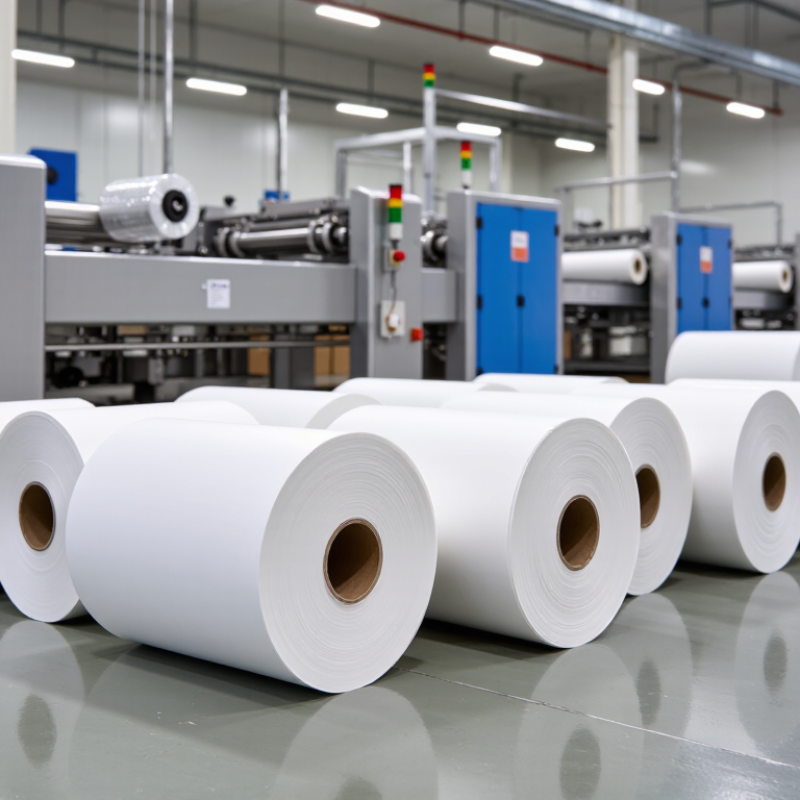
Mother tissue rolls are large parent reels of paper that tissue manufacturers convert into consumer products. They may use virgin pulp, recycled fiber, or a blend, depending on softness, strength, and cost targets. Picture a wide, heavy reel feeding a rewinder, where knives slit the sheet and winding units form smaller rolls. The same base material can become toilet tissue, facial tissue, napkins, or kitchen towels. Not all reels behave alike. Basis weight, ply structure, moisture, and winding tension affect converting performance. Small variations can cause web breaks, uneven logs, or rough edges on finished rolls.
That is why buyers assess more than price. Manufacturers match reel width, diameter, core size, and paper grade to machine limits and product plans. A trial run can reveal dust, softness, tensile strength, and how smoothly the web unwinds at production speed. Ask for consistent specifications and clear test data. Then verify them on the line. Packaging, storage humidity, and delivery timing can affect reel condition before arrival. Supplier documents are useful, but they cannot replace a production check. One practical trade-off: the strongest sheet may feel too stiff for its intended market. Specifications need context. Review samples with operators, not only in a spreadsheet.
How to Assess Supplier Quality, Capacity, and Export Readiness
Choosing a mother tissue roll supplier starts with clear, measurable quality requirements. Confirm basis weight, ply, roll width, core diameter, moisture, and tensile strength against your converting line. Ask for recent inspection records and a sample from a normal production batch, not a specially prepared lot. Check whether the roll unwinds smoothly and produces consistent sheets during a short trial. Small variations matter.
Capacity claims need practical questions. Request monthly output figures, current order commitments, and typical lead times for repeat shipments. Ask how the supplier handles pulp changes, machine maintenance, and unexpected production delays. A large stated capacity means little if delivery dates shift often. Trial orders can reveal handling problems, though they may not represent peak-season performance.
Export readiness shows up in details. Review how rolls are wrapped against moisture and edge damage, and confirm pallet dimensions suit your warehouse and freight plan. Ask who prepares shipping documents and how production updates are shared. Verify that product specifications, packaging marks, and destination requirements are clearly agreed before payment and dispatch. A factory visit helps, but it cannot catch everything; I would still check the first shipment carefully and record any defects for the next order.
Seven Mother Tissue Roll Suppliers for International Buyers
For international buyers, the seven supplier profiles worth comparing are integrated tissue mills, virgin-pulp specialists, recycled-fiber producers, lightweight-grade makers, high-capacity exporters, regional mills, and custom-spec manufacturers. Each can suit a different balance of cost, quality, and delivery time. FAOSTAT recorded about 401 million tonnes of global paper and paperboard production in 2022. That figure covers a broad industry, not mother rolls alone, but it shows why buyers should verify a supplier’s actual tissue capacity.
Ask each supplier for roll width, diameter, core size, basis weight, ply, brightness, and moisture data. Request recent test results, not just a product sheet. The ISO 12625 series provides relevant test methods for tissue properties, including grammage and tensile strength. Check whether the supplier can provide consistent batches and export-ready packaging. A sample roll can reveal winding defects that a quotation will not.
Then compare minimum order quantities, lead times, payment terms, and port options across the seven profiles. Confirm production capacity and request references from buyers in similar markets. A low quote is not automatically a bargain; freight, damaged rolls, or inconsistent specifications can erase the savings. Sometimes the paperwork looks perfect. The roll still needs testing. Suppliers may also quote different tolerances for the same nominal grade, so clarify limits in writing before placing a trial order.
How Supplier Capabilities Differ by Market and Product Requirements
Supplier capabilities differ because buyers are solving different problems. A distributor serving dense cities may need compact, high-count cartons and dependable replenishment; a hospitality buyer may prioritize soft handfeel, strength when wet, and consistent sheet size. UN DESA’s World Urbanization Prospects 2022 projects that 68% of the global population will live in urban areas by 2050. That makes freight efficiency and local stock planning important, though urban demand alone cannot predict a buyer’s exact product mix.
Manufacturing scale is only one measure. FAO reported 401 million tonnes of global paper and paperboard production in 2022, a broad sector figure rather than a tissue-only total. For tissue, buyers should compare converting capacity, parent-roll width, ply control, embossing, packaging options, and fiber specifications. A supplier may offer attractive pricing yet struggle with small batches or custom cores. That gap is easy to miss. Recycled-fiber content can also affect softness and strength, so request product-specific test results rather than relying on general claims.
Tips: Send suppliers a clear specification sheet: sheet dimensions, ply, basis weight, roll length, core diameter, packaging, and target order volume. Ask for samples and test them on the dispensers used at the destination. Check lead times, pallet patterns, and quality records. A low unit price can still mean higher landed cost.
What Buyers Should Verify Before Placing a Global Order
Before choosing among the 7 best mother tissue roll suppliers for global buyers, verify the grade against your converting line. Ask for basis weight, width, parent-roll diameter, core size, ply, and moisture limits in writing. Request recent test results for tensile strength, absorbency, and softness, with methods identified; the ISO 12625 series covers test methods for tissue paper. Compare a retained sample with the first production roll. A specification sheet can be tidy. The roll may still behave differently at speed.
Check capacity, traceability, and shipment evidence, not just a low quote. Ask for a recent production record, lot identification, and a clear process for handling defects. The World Bank’s 2023 Logistics Performance Index assessed 139 economies across six areas, including customs, tracking, and timeliness. That is a reminder: supplier quality and delivery reliability are separate risks. Confirm the port, Incoterm, packing method, moisture protection, and who pays for damage claims. Have a pre-shipment inspection tied to measurable tolerances. Small detail, big difference. One caveat: a polished audit report cannot guarantee every future batch, so agree on corrective actions and keep samples from each delivery.
7 Best Mother Tissue Roll Suppliers for Global Buyers - What Buyers Should Verify Before Placing a Global Order
Anonymous supplier profiles for comparing sourcing options; verify all specifications, certificates, and commercial terms directly with each supplier.
| Supplier profile | Potential fit | Product details to verify | Documents and quality checks | Global-order checks |
|---|---|---|---|---|
| 1. Integrated pulp-and-paper mill | Buyers seeking a producer with pulp-making and paper-machine operations at one site or within one group. | Request grade, furnish, basis weight (g/m²), parent-roll width and diameter, core size, roll length, moisture limits, and tolerances. | Ask for a current technical data sheet, batch-specific test results, and a sample. Confirm test methods for strength and other performance claims. | Check actual production capacity, allocation during peak periods, loading port, lead time, and how production lots are identified. |
| 2. Tissue-focused paper mill | Converters needing tissue grades and parent rolls made specifically for hygiene-paper processing. | Compare softness, bulk, absorbency, tensile strength, crepe, and runnability against agreed specifications; confirm whether values are guaranteed or indicative. | Request samples from the proposed grade and written acceptance limits. Verify that reported values refer to the same test conditions and methods. | Confirm minimum order quantity by grade, width, and shipment; ask about change-control procedures if furnish or process conditions change. |
| 3. Recycled-fiber tissue producer | Buyers whose product requirements permit recycled fiber and who can evaluate the grade in their converting process. | Verify recycled-fiber content, grade consistency, cleanliness, odor, shade, strength, and any limits relevant to the intended end use. | Request evidence for recycled-content or environmental claims and check that any certification is valid for the relevant product and supply chain. | Discuss variability between lots, incoming inspection criteria, complaint handling, and the procedure for rejecting out-of-specification material. |
| 4. Virgin-fiber tissue producer | Buyers requiring a specified virgin-fiber furnish or particular performance characteristics, subject to local product requirements. | Specify the required furnish, basis weight, strength, softness, absorbency, color, and converting requirements instead of relying on broad grade labels. | If responsible-sourcing claims are required, verify the applicable chain-of-custody certificate and product claim; do not treat a supplier's general policy as product certification. | Check origin information, applicable import rules, shipment documentation, and whether the quoted grade can be supplied consistently at the requested volume. |
| 5. Export-oriented tissue mill | Buyers prioritizing export documentation, container planning, and experience handling overseas shipments. | Confirm roll dimensions, gross and net weights, wrapping method, pallet or floor-loading plan, and protection against moisture during transit. | Review a sample document set, such as commercial invoice, packing list, and certificate of origin where applicable; agree who arranges any required inspection. | Clarify Incoterms® rule and named place, shipment schedule, insurance responsibility, container loading limits, and responsibility for demurrage or delay costs. |
| 6. Flexible-lot or regional producer | Smaller converters or buyers testing a new grade who need to assess whether lower-volume orders are available. | Ask which combinations of grade, width, and roll diameter are available at each order quantity, and whether setup or slitting charges apply. | Check that the sample is representative of commercial production and establish written tolerances before placing a trial order. | Compare unit price with freight, handling, and minimum-order costs. Confirm payment terms, production slot, and repeat-order availability. |
| 7. Mill with certified management systems | Buyers whose procurement policy calls for documented quality, environmental, or responsible-sourcing systems. | Verify that the offered tissue grade meets the same functional and dimensional requirements as any other shortlisted product. | Check certificate scope, site, validity dates, and issuing body. A management-system certificate does not by itself certify every product or claim. | Confirm that certificate details match the contracting and manufacturing entities, and obtain written confirmation of any audit or documentation requirements. |
Before placing an order: approve a production-representative sample, attach a mutually agreed specification to the purchase contract, define inspection and claim procedures, and independently verify supplier identity, references, and payment details.