

top of page

What Is a CBD Vape and How Does It Work?

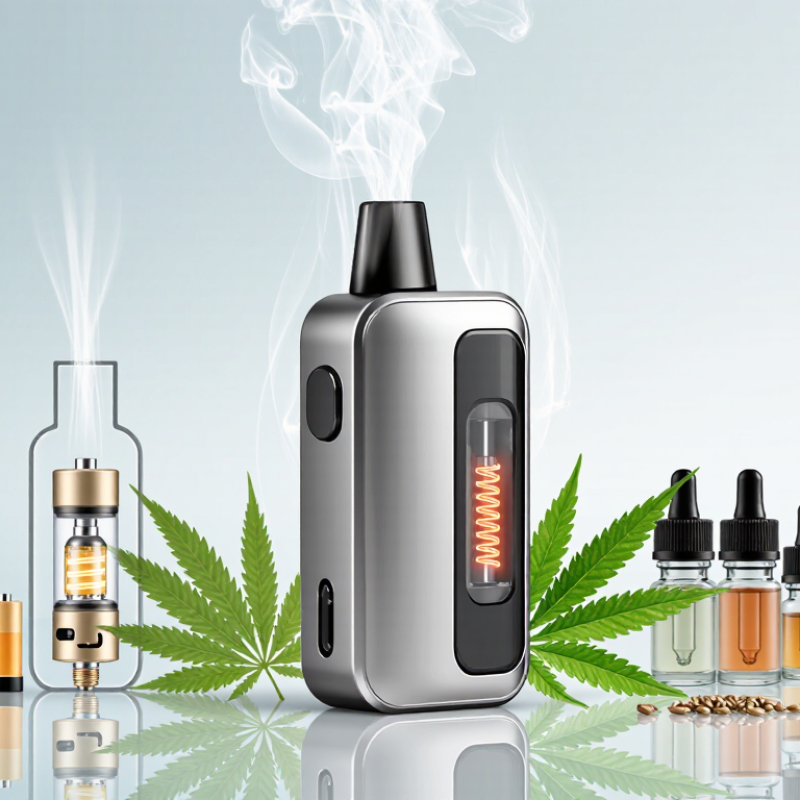
A Cbd Vape is a handheld device that heats a CBD-containing liquid into an aerosol for inhalation. The liquid may contain cannabidiol, carrier ingredients, and flavorings; formulations vary between products. Inside the device, a battery powers a small heating element. The liquid moves through a wick or chamber, warms, and becomes an inhalable mist. No flame is involved. This is different from burning plant material, but it does not make inhalation risk-free. Aerosols can irritate the lungs, and some ingredients may not be suitable to breathe in.

CBD is a compound found in cannabis and hemp plants. It is not generally associated with the intoxicating effects of THC, but product contents can differ from their labels. A package may not tell the whole story. Independent testing, when available, can help confirm CBD levels and screen for unwanted substances. Check the product’s ingredient list, batch information, and testing details rather than relying on flavor or appearance. People with lung or heart conditions, those who take medication, and anyone who is pregnant or breastfeeding should seek advice from a qualified health professional before considering inhaled products. Research on inhaled CBD is still developing, and individual responses may vary. The terminology can be messy, too; “vape” does not describe one standard formula. Understanding the device and its limits is a practical starting point.
What Is a CBD Vape and How Does It Work?

What Is a CBD Vape?

A CBD vape is a handheld device that warms a specially formulated liquid or oil, producing an aerosol that the user inhales. The device usually has a battery, a heating element, and a chamber for the liquid. It does not burn plant material. The visible cloud is an aerosol, not simply water vapor.

CBD is short for cannabidiol, a compound found in cannabis plants. In vape products, it is combined with carrier ingredients that help it heat and flow. Formulas vary, so the label matters. Some liquids are designed specifically for vaping; oils made for swallowing are not automatically suitable for inhalation. That distinction is easy to miss.

What enters the lungs matters. Inhaled substances can irritate airways, and the long-term effects of vaping CBD are still being studied. Not fully settled. Product labels may not reveal every detail about ingredients or quality, so look for clear ingredient information and independent testing. If you have a lung condition, take medication, or are unsure whether vaping is appropriate, ask a qualified health professional before using it. A small device can make the process look simple, but the evidence is more complicated.

What Components Make Up a CBD Vape?

A CBD vape combines a CBD-containing liquid with a small device that heats it into an inhalable aerosol. The liquid may contain CBD extract, a carrier such as vegetable glycerin or propylene glycol, and sometimes flavoring. Formulas vary. Check the ingredient list, because “CBD” on a label does not explain what else is inside.

The device typically includes a battery, heating coil, liquid chamber or cartridge, and mouthpiece. When activated, the battery powers the coil, which warms the liquid; it does not simply turn it into harmless water vapor. A 2018 National Academies review of e-cigarettes found that aerosols can contain substances such as metals, volatile organic compounds, and ultrafine particles. That finding concerns e-cigarettes broadly, not every CBD vape, but it is a reason to avoid assuming that any heated aerosol is risk-free.

A practical detail: inspect the chamber for leaks and the coil for residue, and follow the device maker’s cleaning instructions. Avoid liquids with unclear ingredients. Even careful checking has limits. The U.S. Food and Drug Administration notes that products marketed as CBD are not automatically evaluated for quality, consistency, or safety before sale. Independent lab testing can help verify contents, though it cannot establish that inhaling a product is safe.

What Is Inside CBD Vape E-Liquid?

CBD vape e-liquid usually combines cannabidiol with a carrier, often propylene glycol (PG), vegetable glycerin (VG), or both. Some formulas add flavorings or plant-derived terpenes. Not pure CBD. A device warms the liquid to create an inhaled aerosol, and heat can change some ingredients. The National Academies’ 2018 review identifies PG and glycerol as common e-cigarette solvents. It also notes that heating can produce additional compounds. That review covers e-cigarettes broadly, not every CBD formula.

CBD may be added as an isolate or a broader hemp extract, which can contain other plant compounds. “Full spectrum” wording alone does not show the exact concentration or purity. In a 2017 JAMA study of 84 online CBD products, only 31% were accurately labeled for CBD content. The sample was not limited to vape liquids, but it illustrates why labels deserve scrutiny. Look for a batch-specific certificate of analysis listing CBD levels and tests for residual solvents, pesticides, heavy metals, and microbes. Check that the certificate matches the bottle. It is easy to miss that detail. Long-term effects of inhaling CBD aerosols are not well established.

How Does a CBD Vape Heat and Deliver CBD?

A CBD vape uses a battery to power a small heating coil. The coil warms CBD-containing liquid in a cartridge or tank, creating an aerosol that travels through the mouthpiece and into the lungs. It does not burn the liquid. The warmth may feel gentle, but the device can still get hot.

The National Academies’ 2018 report on e-cigarettes found that aerosols can contain potentially harmful substances, including metals and volatile compounds. That report did not assess every CBD formulation, so its findings are a caution, not a precise risk estimate for each product. CBD delivery also varies with device temperature, liquid ingredients, and inhalation pattern; a puff is not a dependable dose. Details matter.

Tips: Use only products with accessible, independent laboratory results showing CBD content and screening for contaminants. Check the device instructions, avoid overheating, and stop if the aerosol tastes burnt or causes irritation. Lab results help, but they do not guarantee safety.

What Is a CBD Vape and How Does It Work?

A CBD vape is a device that heats a CBD-containing liquid to create an aerosol for inhalation. The chart shows the typical delivery sequence; step numbers indicate order, not temperature, time, or CBD dose.

In many devices, a battery powers a heating element, which warms the liquid. The resulting aerosol travels through the mouthpiece and is inhaled. Device designs and formulations vary.

What Factors Affect the Vaping Experience?

A CBD vape warms a liquid into an aerosol that is inhaled through a mouthpiece. The experience depends on the device, liquid, and way each person draws. Battery power and coil temperature can change vapor warmth and volume. Liquid thickness and airflow matter, too. A thick liquid may feed a coil unevenly, while a partly blocked airflow can make each puff feel tighter.

The National Academies of Sciences, Engineering, and Medicine reviewed more than 800 studies for its 2018 report, Public Health Consequences of E-Cigarettes. It found that device design, operating conditions, liquid composition, and puffing behavior affect aerosol emissions. The review was not specific to CBD, so it cannot predict how one CBD product will feel. Small differences add up.

Tips: Check the device instructions and use only compatible liquids. Start with a gentle, brief draw; stop if the device tastes burnt, leaks, or feels unusually hot. Keep notes on settings and draw length, since memory is a poor measuring tool. Product labels may not tell the whole story, and individual reactions vary. Don’t treat a smoother puff as proof of safety.

What Is a CBD Vape and How Does It Work? - What Factors Affect the Vaping Experience?

Topic or Factor What It Means How It Can Affect the Experience Practical Consideration
What a CBD vape is A device that heats a CBD formulation intended for inhalation and produces an aerosol that the user breathes in. The device delivers the formulation through inhalation rather than swallowing it. The amount absorbed can vary between people and products. Use only products explicitly formulated for inhalation; products made for oral use are not automatically suitable for vaping.
How the device works A battery powers a heating element, which warms the liquid or concentrate in the device. Vaping heats the material to create an aerosol rather than burning it. Battery condition, heating element design, and device settings can influence consistency and aerosol production. Follow the device instructions and stop using a device that is damaged, leaking, or overheating.
Formulation and ingredients CBD vape formulations may differ in CBD content, flavorings, and other ingredients. Their composition can affect viscosity and taste. Some formulations may feel harsher or produce less aerosol in a particular device. Individual responses to ingredients can differ. Check the ingredient list. Do not vape oils or additives that are not specifically intended for inhalation.
CBD concentration The stated amount of CBD in a product, commonly shown as a total amount or a concentration per volume. Concentration alone does not determine how much CBD is inhaled; puff length, device output, and product use also matter. Read the label carefully and avoid assuming that different products deliver the same amount per puff.
Temperature and power The heat generated by the device, controlled by its design or adjustable settings. Heat can affect aerosol output and flavor. Excessive heat may produce an unpleasant, burnt taste and can degrade some ingredients. Use settings within the device maker’s instructions. Avoid increasing power to compensate for a clogged or malfunctioning device.
Airflow and inhalation style Airflow describes how readily air moves through the device; inhalation style includes puff duration and frequency. More restricted airflow or longer, repeated puffs may change aerosol volume and device warmth. Take modest puffs and allow the device to cool between uses. Stop if vaping causes coughing, chest discomfort, or breathing difficulty.
Device type and maintenance Devices vary in their heating systems, reservoirs, airflow paths, and intended formulation. Residue or a worn component can affect performance. A compatible, clean, functioning device is more likely to provide consistent operation than one that is clogged or damaged. Use a formulation compatible with the device and follow its cleaning, charging, and replacement guidance.
Product quality and testing Product contents and quality may differ. Independent laboratory testing can provide information about cannabinoid content and screening for certain contaminants. Accurate labeling and transparent test results can help users assess what a product contains, though testing does not establish that vaping is risk-free. Look for a recent, batch-specific certificate of analysis from an independent laboratory and compare it with the product label.
Storage and product condition Heat, light, air, and time can affect the condition of some formulations; storage instructions vary by product. Changes in appearance, smell, or performance may indicate that a product has changed or that the device needs attention. Store as directed, keep products away from children and pets, and do not use a product that appears contaminated or has an unusual smell.
Individual differences People may differ in sensitivity, inhalation habits, health conditions, and use of medicines. The same product and device can produce different experiences in different people. CBD can interact with some medicines. Ask a healthcare professional about potential interactions, especially if you take prescription medicines.

Safety note: Inhaling aerosol can carry health risks, and the long-term effects of vaping CBD are not fully established. CBD products may be regulated differently by location. Keep them away from minors, and seek medical advice if you experience an adverse reaction.

bottom of page