How to Choose the Right Press Brake at the 2026 Canton Fair?
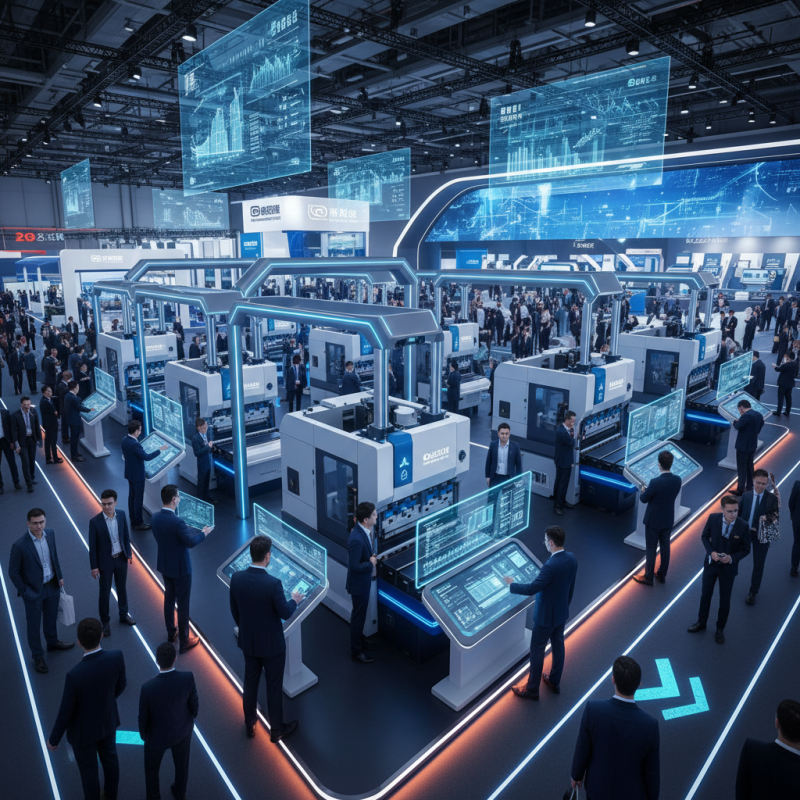
Choosing the right Press Brake is crucial for manufacturers attending the 2026 Canton Fair. This event, running from April 15 to May 5, will showcase advanced machinery and technologies. With a vast display area of 1.55 million square meters, buyers face many options.
The introduction of AI features will help streamline the selection process. Buyers can efficiently filter suppliers based on vital certifications like ISO or CE. The smart navigation tool will guide attendees, improving movement through the crowded exhibition halls.
However, not all Press Brakes are created equal. Companies must consider specific needs, such as tonnage and bending capacity. Assessing suppliers' credibility can be tricky, requiring careful consideration. Ensure that the Press Brake meets production demands. Evaluate the long-term investment and maintenance costs as well. Each decision should reflect both immediate needs and future growth.
Understanding Press Brakes: Types and Their Applications
Press brakes are essential in metal fabrication. Their role varies depending on the type used. Understanding these types can help you make informed choices.
There are several types of press brakes. The most common include mechanical, hydraulic, and pneumatic models. Mechanical press brakes are driven by a flywheel. They are fast and efficient. Hydraulic press brakes, on the other hand, are versatile. They can handle thicker materials but may be slower. Pneumatic presses are lightweight. They work well for thin materials but lack power for heavy-duty applications.
Choosing the right type of press brake involves considering your specific needs. Think about the materials you'll work with. Consider the thickness and type of metal. Also, reflect on the volume of work you will produce. Each choice has its advantages and drawbacks. Make sure to evaluate what suits your operations best. The right decision can enhance productivity and quality.
Key Features to Consider When Choosing a Press Brake
When selecting the right press brake at the 2026 Canton Fair, focus on crucial features. One important aspect is the bending capacity. Determine the maximum thickness and width of the materials you plan to work with. Ensure the machine meets your specific production needs. Also, check the control system. An intuitive interface can significantly improve efficiency. Look for models with user-friendly options.
Another key factor is construction quality. A sturdy frame guarantees stability during operation. Additionally, pay attention to the tooling options available. Versatile tooling can enhance flexibility in manufacturing. Precision is essential, so consider features that enhance accuracy. For instance, adjustable back gauges help achieve precise bends.
Lastly, think about energy efficiency. Machines that consume less power can reduce operational costs. However, don’t overlook maintenance requirements. Some machines may seem low-cost upfront but incur high maintenance fees. Reflect on these considerations carefully. You want a press brake that balances performance and cost-effectiveness.
How to Choose the Right Press Brake at the 2026 Canton Fair? - Key Features to Consider When Choosing a Press Brake
| Feature | Description | Importance |
| Tonnage | The maximum force the press brake can exert, measured in tons. | Critical for determining the thickness of material that can be bent. |
| Bending Length | The maximum length the machine can bend material. | Essential for fitting materials within the machine's capabilities. |
| Control System | The technology used to operate the press brake, such as CNC or manual. | Affects accuracy, repeatability, and ease of use. |
| Type of Drive | Types include hydraulic, mechanical, and servo-electric drives. | Influences performance, energy consumption, and maintenance requirements. |
| Material Type | The types of materials that can be processed (e.g., steel, aluminum). | Determines flexibility in manufacturing capabilities. |
| Safety Features | Includes guards, emergency stop buttons, and safety interlocks. | Vital for operator safety and compliance with regulations. |
| Price | Initial cost of the press brake and any additional investment needed. | Critical for budgeting and cost management. |
Evaluating Brand Reputation and Customer Reviews
When considering a press brake at the 2026 Canton Fair, brand reputation becomes crucial. Research indicates that 70% of buyers prioritize brand reliability. Reliable brands often have years of industry experience. They tend to offer better technical support and customer service.
Customer reviews play a vital role. A survey by Industry Insights found that 55% of customers trust online reviews as much as personal recommendations. Take time to read not just the positives but also the negatives. Some reviews highlight issues with machine performance or support. This feedback can shape your decision. In industry reports, 30% of users cite maintenance problems as a reason for dissatisfaction.
Evaluating customer feedback helps you gauge the true performance of a press brake. Look for common themes in reviews. If many users mention complications, take heed. While no machine is perfect, noticing patterns in customer experiences is essential.
Balancing brand reputation and real user feedback can lead to a more informed purchase. Make your choice based not just on promises but on proven performance.
Setting Your Budget: Costs and Financing Options
When attending the 2026 Canton Fair, setting a budget for a press brake is crucial. Industry reports indicate that press brake costs can vary significantly. Entry-level models may start around $15,000, while high-end options can exceed $100,000. Understanding your needs is essential in making a wise investment.
Financing options can help manage these costs effectively. Many manufacturers offer installment plans or leasing options as alternatives. According to a recent survey, approximately 35% of buyers prefer financing due to cash flow concerns. It’s important to calculate not only the equipment cost but also ongoing maintenance expenses. Hidden fees can lead to budget overruns.
Some buyers tend to underestimate the total cost of ownership. It’s vital to consider utility costs and tool replacements. Setting aside funds for unexpected expenses is a wise approach. Avoid overspending based on brand reputation alone. Instead, focus on specifications and capabilities that align with your production goals. This thoughtful budgeting strategy will ultimately yield a more satisfying purchase experience.
Best Practices for Testing Press Brakes at the Canton Fair
Testing press brakes at the Canton Fair requires careful attention and a strategic approach. Begin by observing the overall condition and build quality of the machines. Look for any signs of wear, rust, or other damage. Check the material used in the construction. A sturdy frame is essential for stability.
Examine the features closely. Look for an ergonomic design that allows for ease of use. Test the control panel to ensure it is intuitive. Does the interface seem user-friendly? Engage with the hydraulic system. Listen for any unusual noises during operation. A smooth, quiet operation often indicates a well-maintained machine.
Consider checking the bending accuracy. Bring sample materials to test during the demo. Measure the output with calipers. While testing, don't hesitate to ask questions about the setup. Seek clarification on maintenance and troubleshooting. This exchange can reveal much about the supplier’s reliability. Reflect on your observations as some details might only emerge after deeper inquiry.
Press Brake Performance Comparison at the 2026 Canton Fair