

top of page

How to Choose the Best Rainfall Shower Head

A rainfall shower can make an ordinary bathroom feel calmer. Water falls across your shoulders instead of striking one small spot. Yet a beautiful spray is only part of the decision. The best choice should suit your plumbing, ceiling height, and daily routine. A broad 10- to 12-inch showerhead may feel enveloping, but it can reveal weak water pressure. Small details matter. Check the product’s flow-rate information and installation requirements before buying. A handheld option can help rinse shampoo or clean the tub, though it changes the minimalist look. Bigger is not always better.

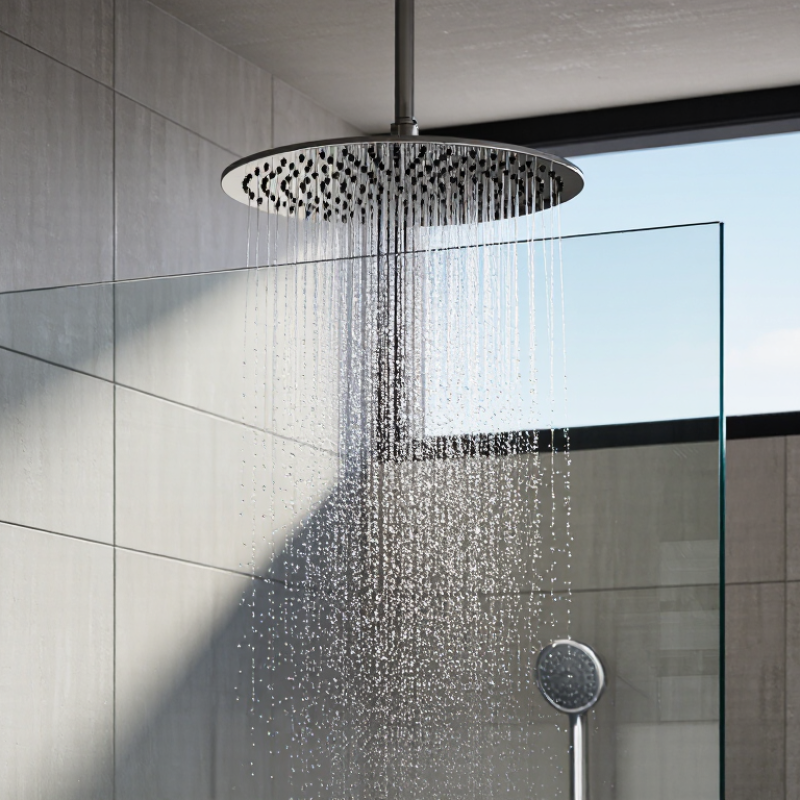
This guide explains how to choose a Shower Head Rainfall model by comparing coverage, materials, mounting style, and upkeep. It distinguishes ceiling-mounted and wall-mounted designs, which suit different bathroom layouts. Look for durable finishes, easy-to-clean nozzles, and clear warranty terms—not just polished product photos. If hard water leaves chalky spots on your current fixtures, nozzle maintenance deserves extra attention. No single model works for everyone. That is worth remembering. Even a careful comparison cannot predict exactly how a spray will feel in your own shower. Use the details ahead to match features to your room, budget, and expectations. Before ordering, verify dimensions and compatibility with the manufacturer or a qualified installer.
How to Choose the Best Rainfall Shower Head

How Rainfall Shower Heads Differ from Standard Shower Heads

A rainfall shower head spreads water across a wider face, usually from an overhead position. Its droplets fall gently over the shoulders and head, creating a less focused spray. A standard shower head often directs water from a wall-mounted arm, with a narrower pattern that can be aimed at specific areas. The contrast is noticeable. One feels broad and calm; the other can feel more direct.

A wide spray does not automatically mean stronger water pressure. The perceived force depends on the head’s design, household pressure, and flow rate. Some rainfall models feel soft, especially if the spray plate is large or the water supply is modest. Standard heads may feel more forceful because their smaller jets concentrate the water. Check product specifications, but remember that real performance can vary with your plumbing.

Placement also changes daily use. An overhead rainfall head may need enough ceiling or wall height to leave comfortable space above your head. A standard head is often easier to adjust, and some designs include a handheld sprayer for rinsing hair or cleaning the tub. Hard water can leave mineral spots on either type, though a broad plate may take longer to wipe down. It is tempting to choose by appearance alone; that deserves a second look. Consider who uses the shower, how easily the controls can be reached, and whether the spray suits your routine.

How to Choose a Shower Size and Spray Pattern

How to Choose the Best Rainfall Shower Head

Choosing a rainfall shower size starts with measuring your shower area, not admiring a display. An 8- to 10-inch head can suit a compact enclosure; a wider 12-inch model needs enough overhead clearance and a stable water supply. Larger plates spread water across more skin, but they do not automatically create stronger pressure. The trade-off is real: a broad, gentle spray may feel less satisfying on a chilly morning.

Match the spray pattern to your routine. A dense, concentrated pattern can feel more invigorating, while widely spaced nozzles often create a softer rainfall effect. Check your home’s flow and pressure before buying. The U.S. Environmental Protection Agency’s WaterSense showerhead guidance sets a maximum flow rate of 2.0 gallons per minute for certified models; the federal standard for standard showerheads is 2.5 gallons per minute. A lower-flow, oversized head may feel different than expected, so look for clear flow-rate and pressure requirements. A showroom test can mislead.

Tips: Measure from the ceiling to your shoulder height, then confirm the head will not crowd the enclosure. If possible, test spray coverage before choosing. A small mismatch matters.

Source: U.S. EPA, WaterSense Showerheads.

How Water Pressure and Flow Rate Affect Performance

A rainfall shower head spreads water across a wider area than a compact spray head. That feels different. Even when the flow rate is similar, the water may seem softer because it reaches more of your body at once. Flow rate, usually listed in gallons per minute, tells you how much water the fixture delivers. Pressure describes the force pushing that water through the pipes. They are related, but they are not interchangeable.

Check how the shower performs while water is running, not only when taps are off. A pressure reading under use can reveal dips caused by an older pipe, a partly closed valve, or other fixtures running nearby. Small detail, big difference. A wide rainfall head may feel weak if pressure is low or its spray openings are clogged with mineral buildup. Meanwhile, a well-designed head can make a modest flow feel more even, though it cannot create extra water. If possible, compare the listed flow rate with your household’s actual shower experience. A bucket test can estimate delivery: time how long it takes to collect a known amount of water. It is not a perfect measurement, but it gives a useful reality check before choosing a head.

Which Materials, Mounting Styles, and Features to Compare

A rainfall shower head should suit your water pressure, ceiling height, and cleaning habits—not just its finish. Stainless steel and brass feel sturdy, but weigh more and may cost extra. ABS plastic is lighter and often less expensive, though its finish can show wear sooner. Small details matter. Check whether the spray plate can be wiped clean, especially if mineral deposits build up in your area.

Wall-mounted heads are usually simpler to install and adjust. Ceiling-mounted models create a more overhead rainfall effect, but need suitable plumbing and enough clearance. Measure the distance from the outlet to the shower floor before choosing a large head. Fit matters more. A wide spray can feel underwhelming if household pressure is low, so compare flow rate and spray coverage rather than diameter alone. Flexible silicone nozzles can also make routine cleaning easier.

Water use is worth checking. The U.S. EPA WaterSense program sets a maximum flow rate of 2.0 gallons per minute for labeled showerheads; EPA estimates an average family can save 2,700 gallons of water and 330 kilowatt-hours of energy annually by switching. These are program estimates, not a promise for every home. Actual savings depend on shower length, household size, and existing equipment. A feature list can look impressive, but compatibility with your plumbing matters more than extra settings.

How to Choose the Best Rainfall Shower Head — Which Materials, Mounting Styles, and Features to Compare

Comparison Dimension Option or Feature Practical Details What to Check Before Buying
Shower-head material Stainless steel Resists corrosion and is commonly used for the face or body of a shower head. Construction and finish quality vary by product. Check which parts are stainless steel; the arm, joints, and internal components may use different materials.
Shower-head material Brass A durable metal often used for shower arms, fittings, and some shower-head bodies. It is generally heavier than plastic. Confirm whether the product is solid brass or has only selected brass components, and check the stated finish-care instructions.
Shower-head material ABS plastic A lightweight plastic commonly used in shower-head bodies and spray faces. It may cost less and is easy to handle during installation. Look for clear information about the material, construction, and care requirements; avoid assuming that a metallic-looking finish means metal construction.
Mounting style Wall-mounted arm Connects to the existing wall outlet and is often the simplest replacement when the outlet position and connection are compatible. Check the arm’s reach, angle, connection size, and the height and position of the existing outlet.
Mounting style Ceiling-mounted Positions the shower head overhead for a more directly downward spray. Installation may require a ceiling outlet or plumbing changes. Confirm that the ceiling plumbing, mounting support, and finished ceiling height suit the product and the bathroom layout.
Mounting style Rain head with handheld shower Combines an overhead-style shower head with a separate handheld unit, commonly connected through a diverter. Check whether the handheld, hose, holder, and diverter are included, and make sure the controls are accessible.
Shower-head size Compact to large face A larger spray face can cover more area, but the actual coverage depends on the nozzle layout, flow rate, pressure, and installation height. Compare the listed face diameter with the shower enclosure and available water flow; do not rely on diameter alone to predict coverage.
Spray pattern Single rain-style spray Offers one main spray pattern and generally has fewer controls than multi-pattern models. Review the spray description and, where possible, test the pattern; “rain” does not guarantee a particular feel or intensity.
Spray pattern Multiple spray settings May provide options such as a softer spray, concentrated spray, or combination setting. More settings can add a selector mechanism. Check how the settings are changed and whether the selector is easy to reach and operate.
Water flow Rated flow rate Flow is commonly stated in gallons per minute (GPM) at a specified pressure. In the United States, the federal maximum for many shower heads is 2.5 GPM at 80 psi; local requirements may be stricter. Compare the stated GPM and test conditions. Check local rules and whether a reduced-flow model meets your needs.
Water efficiency WaterSense-labeled model In the United States, WaterSense-labeled shower heads are independently certified to use no more than 2.0 GPM while meeting EPA performance criteria. Verify the current label or certification for the specific model, and check local availability and requirements.
Water pressure Low or variable household pressure A large spray face may feel less forceful if the available flow or pressure is limited. Product performance depends on the home’s plumbing and the shower head design. Check the manufacturer’s recommended operating pressure and investigate household pressure or flow issues before selecting a larger head.
Maintenance Easy-clean nozzles Flexible silicone or rubber nozzle tips can often be wiped to loosen mineral deposits. This does not eliminate the need for periodic cleaning. Check the cleaning instructions and whether the spray face or filter can be accessed for maintenance.
Installation Connection and included parts Many shower heads connect to a standard shower arm, but connection details and included adapters can differ. Ceiling installations may require more work. Check thread compatibility, required tools, included seals or adapters, and whether professional plumbing work is needed.
Best-fit priorities Comfort, coverage, or easier cleaning Comfort depends on spray feel and water supply; coverage depends on head design and placement; easier cleaning depends on accessible, suitable materials and nozzles. Prioritize the features that matter most, then compare dimensions, flow rate, installation requirements, and care instructions.

Note: Flow limits and plumbing requirements vary by location. Always verify current local regulations, product specifications, and installation compatibility before purchasing.

How to Check Compatibility, Installation, and Maintenance Needs

Before ordering a rainfall shower head, measure the shower space and check the existing arm’s thread, position, and load support. Many shower arms use a 1/2-inch connection, but fittings vary, so confirm rather than assume. A wide overhead spray also needs enough clearance; a low ceiling can make it feel awkward. Check your home’s water pressure and flow, too. A large spray face may feel underpowered when supply pressure is low. The U.S. EPA’s WaterSense specification limits labeled showerheads to 2.0 gallons per minute. The EPA estimates that widespread use could save more than 260 billion gallons of water annually. That figure is a national estimate, not a promise about one bathroom.

For installation, shut off the shower and protect the finish with a cloth while tightening fittings. Hand-tighten first, then check for leaks before adding tools. Ceiling-mounted models may need secure support beyond the visible pipe; inspect the mounting instructions or ask a plumber if the connection feels loose. I wouldn’t treat installation as a simple swap in every home. For upkeep, wipe silicone nozzles with a soft cloth and follow the manufacturer’s cleaning instructions. In hard-water areas, mineral deposits can narrow spray openings. Avoid harsh cleaners that may damage the finish. EPA WaterSense guidance helps compare flow, but it does not tell you whether your plumbing can deliver a satisfying rainfall spray.

How to Choose a Rainfall Shower Head: Flow-Rate Limits

These U.S. flow-rate limits are measured at 80 psi. Before buying, check that your plumbing and water pressure can support the showerhead, confirm the connection and installation requirements, and clean the spray nozzles regularly to help prevent mineral buildup.

Sources: U.S. Department of Energy showerhead standard (2.5 gpm at 80 psi); U.S. EPA WaterSense specification (2.0 gpm maximum at 80 psi).

bottom of page