

Why Choose a Jacquard Guide Board for Textile Machines?
A Jacquard Guide Board helps direct yarns or guide elements along a controlled path during patterned textile production. Its alignment can influence stitch consistency, pattern definition, and the smooth movement of yarn across the machine. Small details matter. A rough surface or poorly matched opening may increase friction, disturb yarn tension, or contribute to uneven fabric. The effect depends on the machine and setup, so a guide board should not be judged by appearance alone.
Choosing the right board starts with checking machine compatibility, gauge, yarn type, operating speed, and the demands of the intended pattern. Materials and surface finish also deserve attention: a smooth, durable contact area may help reduce wear, while accurate dimensions support steady guidance. These are practical considerations, not guarantees of perfect production. Results still depend on correct installation, machine condition, and operator adjustments. A board cannot fix every tension issue. It may also require inspection and cleaning as lint accumulates during use. Comparing specifications with actual production needs gives buyers a sounder basis for selection than relying on broad claims. Even experienced operators can overlook a mismatch at first. That is worth reflecting on. This guide explains how a Jacquard Guide Board can support reliable textile production, what features to assess, and where careful testing remains essential.
What a Jacquard Guide Board Is and How It Works
Why Choose a Jacquard Guide Board for Textile Machines?
What a Jacquard Guide Board Is and How It Works
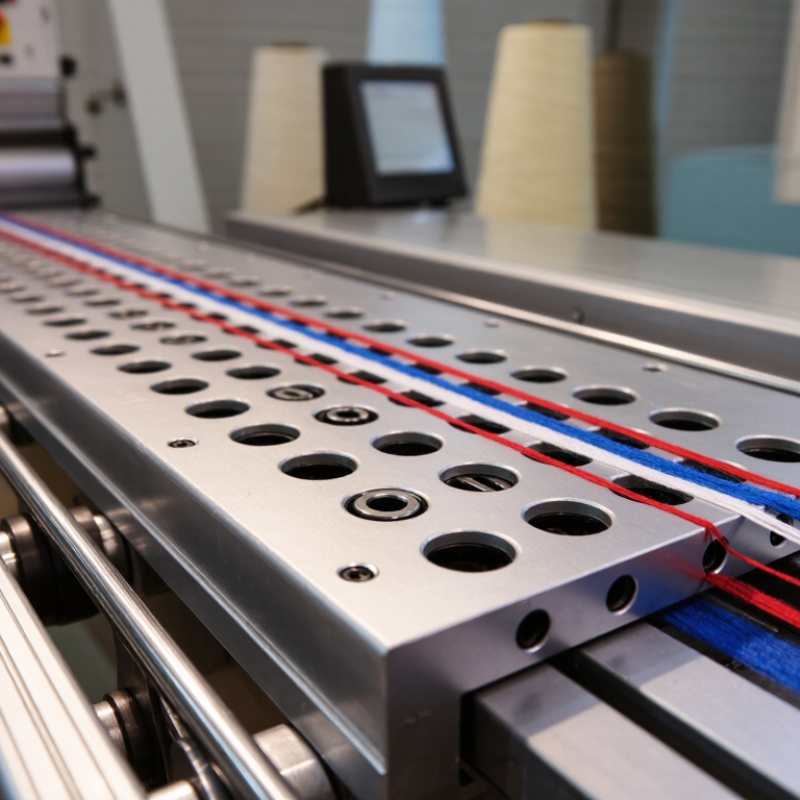
A Jacquard guide board is a perforated plate that keeps harness cords aligned as they travel through a loom. Each cord connects the Jacquard mechanism to a heddle controlling a warp yarn. When the machine selects cords in a programmed sequence, selected yarns rise or stay down, forming the fabric pattern. The board guides movement; it does not create the design. Simple, but essential.
Textile Exchange’s Materials Market Report 2024 estimates that global fiber production reached 124 million tonnes in 2023 and could reach 160 million tonnes by 2030. This industry-wide figure is not evidence of guide-board performance. It does show the scale and variety of textile production, where consistent yarn handling matters. A worn hole edge or misaligned opening can add friction, abrade a cord, and interrupt pattern formation. Small damage can become visible fabric trouble.
In practice, technicians check hole spacing, plate alignment, surface wear, and lint buildup during setup. A smooth cord path helps reduce snagging, but it cannot compensate for incorrect tension or a poorly matched harness. The setup is not always elegant. That detail is easy to overlook. Inspect the board under good light, especially around holes with polished edges or loose fibers; replace it when wear compromises guidance.
How It Guides Yarn Through a Textile Machine
A Jacquard guide board helps control yarn paths as threads move toward the machine’s shedding area. Its openings keep warp ends or harness cords separated, depending on the machine design. This reduces crossing and helps each thread reach its intended position. Clear paths matter. When yarns rub against one another or wander out of line, tension can become uneven, causing missed stitches or visible flaws in the fabric.
The board also supports consistent movement between the yarn supply and the heddles. Smooth, correctly sized openings can limit snagging, while accurate spacing helps maintain an orderly thread arrangement. Operators should check for worn edges, lint buildup, and loose fittings during routine inspections. Small defects matter. Still, a guide board cannot correct every tension or setup problem; alignment may remain imperfect, especially after a change in yarn or pattern.
Tips: Thread yarns in the machine’s specified order. Check that each path is clear, then run a short sample at low speed. Watch for rubbing or uneven tension. A quick inspection can save time later.
Why Choose a Jacquard Guide Board?
How it guides yarn through a textile machine
The guide board helps keep warp yarns separated and aligned as they travel from the yarn supply toward the Jacquard harness. The chart shows the general yarn path, not measured performance; machine layouts may vary.
Key Benefits for Patterned Fabric Production
In patterned-fabric production, a jacquard guide board routes harness cords toward their intended warp ends. Accurate routing helps keep cords orderly as the loom forms complex motifs, from fine floral repeats to sharp geometric lines. Less crossing can mean less friction and fewer snags, though results depend on yarn, loom condition, and setup. Small details matter. Textile Exchange’s Materials Market Report 2024 estimates that global fiber production reached 124 million tonnes in 2023 and could reach 160 million tonnes by 2030. This forecast does not prove that guide boards raise output. It does highlight the value of repeatable setups and avoiding preventable rework.
A well-made board can support consistent cord spacing and make pattern changes easier to manage. Before production, technicians should check hole spacing, surface finish, cord tension, and alignment with the harness. A rough edge may catch a cord; a small positioning error can shift the pattern. The board is only one part of the system. It cannot compensate for poor threading or uneven tension, and benefits should be verified with a sample weave. In practice, that check can reveal flaws a drawing misses. The trade-off is real: tighter routing may aid control, but overly tight paths can increase wear.
Materials, Design, and Compatibility Considerations
A Jacquard guide board works in a demanding zone: yarn passes through repeated openings while the machine moves at speed. Material choice affects wear, stiffness, and maintenance. Aluminum alloy can offer a light, rigid structure, while suitable engineering polymers may reduce friction and noise. The right option depends on yarn type, operating speed, humidity, and cleaning methods. Small details matter.
Design is just as important as material. Check hole spacing, board thickness, edge finish, and mounting points against the machine specification. Rough edges can snag fine yarn; poor alignment can create uneven tension or repeated thread breaks. In practical maintenance, even a slight burr near an opening can leave visible fuzz on yarn. A smooth finish helps, but excessive flexibility may allow the board to shift. There is no universal best design.
Compatibility checks should include the machine model, working width, harness layout, and attachment dimensions. Compare a replacement with the technical drawing, not only the worn part; use can distort its shape. Confirm that the yarn path remains clear through the full operating cycle. A careful fit check helps. If dimensions are uncertain, verify them with the machine supplier or a qualified technician before installation.
How to Choose a Jacquard Guide Board for Your Machine
Choosing a Jacquard guide board starts with the machine, not the material. Check the machine model, mounting points, board dimensions, and required needle or hook count. Confirm the spacing between guide positions, too. A small pitch mismatch can cause uneven yarn paths or difficult installation. Fit matters.
Next, consider the yarn and working conditions. Smooth, polished guide openings can reduce snagging, while suitable board material should resist wear and remain stable during operation. Think about yarn thickness, machine speed, and the amount of friction each thread will face. If the board handles delicate yarn, inspect the edges closely; even a tiny burr may leave marks or interrupt feeding. Specifications do not tell the whole story.
Before ordering, compare a drawing or sample with the machine’s actual setup. Check hole layout, thickness, alignment, and clearance around moving parts. Ask the supplier for measurement details and compatible machine information, then test the board at a careful, low speed. Listen for rubbing and watch the yarn path. A clean fit on paper can still disappoint in use, so allow time for a practical check.