Why Choose a Mouthpiece Adapter for Your Equipment?
Choosing the right Mouthpiece Adapter can make equipment feel more natural to use, but fit matters more than appearance. A small mismatch may cause wobble, leaks, uneven airflow, or extra pressure at the connection. These issues are easy to overlook on a product page. Check the adapter’s stated inlet and outlet dimensions, connection type, and supported equipment models before buying. If specifications are unclear, ask the manufacturer rather than guessing from a photograph. A snug fit should not require force. That detail matters.
Material is another practical consideration. Smooth, durable surfaces are easier to inspect and clean, while rough edges or cracks can trap residue and signal wear. Follow the equipment maker’s cleaning instructions, and avoid solvents or heat unless they are explicitly approved. For frequent use, confirm that replacement parts are available and that the adapter does not obstruct normal operation. Before relying on it, inspect the joint under good light and test the assembled equipment only as its manual directs. Listen for unusual vibration, feel for looseness, and stop if the connection shifts. These checks are simple, not a substitute for proper specifications. An adapter can improve comfort and compatibility, though it cannot correct a damaged or poorly maintained device. Small part, real difference. Still, compatibility charts are not perfect; dimensions can vary between batches, and a fit may feel merely acceptable. Check it again after installation.
What a Mouthpiece Adapter Is and How It Connects to Equipment
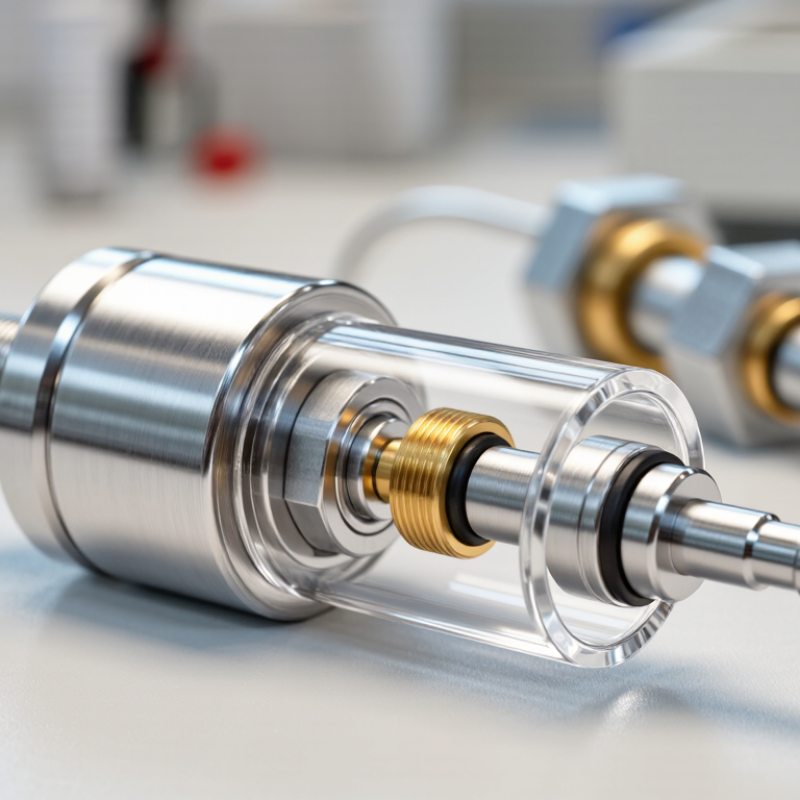
A mouthpiece adapter is a small connector between a mouthpiece and compatible equipment. It bridges differences in size or shape, so the two parts can join without replacing either one. The adapter’s narrow end may fit the mouthpiece, while its wider end seats in an equipment port. Designs vary, so check the equipment manual and compare measurements before choosing a part.
A snug fit matters. The connection should feel stable, not forced. Check that the adapter sits straight, with no visible gap or wobble. If the equipment relies on airflow, a poor seal may affect its performance.
Material and cleaning requirements also depend on the device; follow its care instructions, and inspect the adapter for cracks or residue. It is easy to treat this part as a minor detail, but small mismatches can cause real inconvenience. I would not assume that two pieces fit just because they look similar. Remove the adapter and recheck the dimensions if installation feels unusually tight.
How a Mouthpiece Adapter Works
A mouthpiece adapter connects a user-facing mouthpiece to compatible respiratory testing equipment. Its tapered end seats in the mouthpiece; the opposite end fits the instrument’s port. A firm, even fit keeps air moving through the sensor instead of escaping around the joint. Simple, but fit matters. A loose connection can cause leaks, while an unsuitable bore may change airflow resistance or add unwanted internal volume. Check the adapter for cracks, moisture, and a secure seal before use.
The ATS/ERS 2019 spirometry standard states that equipment should measure volume within ±2.5% when tested with a 3-litre syringe across specified flow rates. That benchmark shows why every connection in the airflow path matters. An adapter does not make a device accurate by itself; it must suit the equipment and be included in applicable checks. After changing adapters, follow the instrument’s calibration and cleaning procedures, and confirm that the connection remains stable during a test. In practice, a joint can look snug yet still leak. That is easy to overlook. The standard does not validate every adapter design, so compatibility should be confirmed rather than assumed.
Equipment Compatibility and Common Adapter Types
Compatibility begins with the connection, not the adapter’s appearance. Check the equipment outlet and mouthpiece inlet for diameter, insertion depth, and thread type. Measure carefully; a few millimeters can affect the seal. Measure both ends. If either connection is threaded, match the thread size and pitch rather than relying on a visual guess. For slip-fit connections, compare the inner and outer diameters and check whether a gasket or O-ring is required. Consult the equipment manual when available, and never force a mismatched part. A loose fit may leak, while an overly tight one can damage the connection.
Common adapter types include straight couplers, reducers, threaded adapters, swivels, and quick-connect fittings. Straight couplers join compatible openings of similar size. Reducers bridge different diameters, but a narrow internal passage may restrict airflow or performance. Threaded adapters can provide a secure connection when the thread specifications match. Swivels help reduce twisting in a hose, while quick-connect styles make removal easier. Check the adapter’s material, temperature rating, and cleaning requirements against the equipment’s instructions. A snug fit is not proof of compatibility. I have found that this detail is easy to overlook, especially when a part seems to fit at first.
Practical Benefits of Using a Mouthpiece Adapter
A mouthpiece adapter can make equipment easier to use when the original connection does not match the mouthpiece you need. A secure fit can reduce wobble, awkward handling, and repeated equipment changes. Small parts matter. Before use, check the adapter’s dimensions, material, and connection type against the equipment manual. A close-looking fit is not always a compatible one.
For respiratory or airflow equipment, compatibility has added importance. OSHA estimates that about 5 million workers use respirators across 1.3 million workplaces, according to its Respiratory Protection standard guidance. That figure does not mean an adapter improves protection. The adapter must be approved for the equipment, and it cannot replace fit testing or required seal checks. Keep the connection clean and inspect it for cracks, looseness, or residue. A practical benefit is convenience, but there is a trade-off: extra joints can create more points to inspect. I would not assume “universal” means suitable without checking the manufacturer’s specifications.
How to Choose and Maintain the Right Adapter
Choosing a mouthpiece adapter starts with the connection, not its appearance. Check the equipment’s fitting type, opening diameter, and required insertion depth. A ruler can help, but verify measurements against the equipment’s specifications when available. The adapter should sit securely without wobbling or needing force. Do not force it. Small details matter. A poor fit may cause leaks, discomfort, or added strain on the connection.
Consider the material and how the equipment will be used. Check that the adapter is suitable for expected temperatures and cleaning methods; materials do not all tolerate the same conditions. It is tempting to focus only on a snug fit, but comfort and ease of cleaning matter too. After use, detach the adapter if the equipment allows it, clean it according to its care instructions, and let it dry fully. Avoid abrasive brushes that could scratch the surface. Inspect the opening and connection regularly for cracks, residue, or looseness. Replace a damaged adapter rather than relying on a temporary fix. Even a careful choice may need adjustment after real use, so note what feels secure and what does not.