

top of page

Why Choose a Flag Banner Pole for Outdoor Advertising?

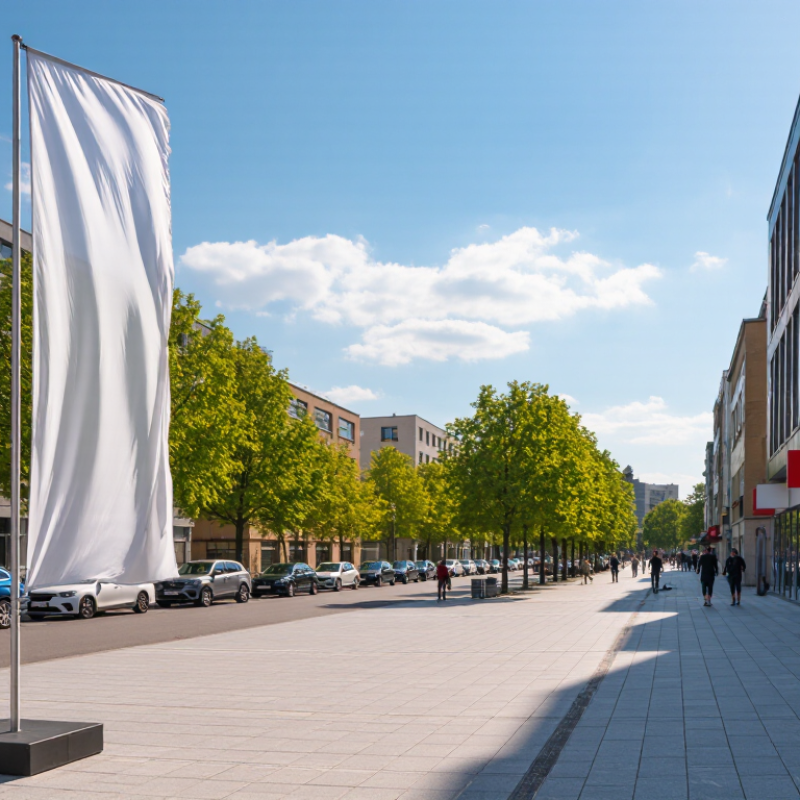
Outdoor advertising competes for attention in busy streets, shopping areas, and event spaces. A Flag Banner Pole presents a tall, moving display that can help people notice a business from a distance. Its narrow shape uses vertical space, while the fabric can carry a logo, product message, or directional cue. Near an entrance, a car park, or a market stall, that visibility may help visitors find the right place. That matters. Unlike a rigid sign, a fabric banner shifts with the breeze, giving the display some movement. The effect is practical, not guaranteed: nearby signs, trees, and building features can still block the view. Details count.

Choosing a pole means considering more than appearance. Check the banner’s size, the pole’s material, its base, and how the full setup will be transported and stored. In practical use, a stable base and correctly fitted fabric can make setup easier and reduce unwanted movement. Assess the ground where the banner will stand, especially on uneven paving or exposed sites. For windy locations, follow the product’s stated limits and bring the display inside when conditions call for it. Fabric choice also affects color, print clarity, and how well the message holds up outdoors. Keep banner text brief; people passing by may only have a moment to read it. Still, no pole suits every setting. A trial placement can reveal problems that a product photo cannot, such as glare or a blocked sightline. This guide explains the benefits, selection points, and practical limits of using a Flag Banner Pole for outdoor advertising.
Why Choose a Flag Banner Pole for Outdoor Advertising?

What Is a Flag Banner Pole?

A flag banner pole is a vertical support designed to hold a tall, narrow fabric sign outdoors. The banner usually slides onto a flexible top arm or attaches through stitched pockets and clips. This lets the fabric curve or flutter while keeping its message visible. Some poles extend to different heights, while others use fixed sections. A ground spike suits grass or soil; a weighted cross base works better on firm pavement. The base matters.

At a shop entrance, a pole can lift a banner above parked cars or a low hedge. A lightweight aluminum shaft is easier to carry, but it still needs a stable base. Check the banner’s sleeve size and the pole’s height before setting it up. In practice, setup is not always as quick as product descriptions suggest, especially when the fabric twists or the ground is uneven. Wind can also strain the pole and pull at its fittings. Inspect joints, clips, and fabric seams before each use, and take the display down in severe weather. A flag banner pole is a simple frame, but its performance depends on matching the banner, base, and site.

Why Choose a Flag Banner Pole for Outdoor Advertising? — What Is a Flag Banner Pole?
Pole or Banner Feature Typical Specifications Outdoor Advertising Benefit Practical Considerations
Flag banner pole Lightweight, sectional pole designed to support a flexible fabric banner; assembled heights commonly range from about 6 to 16 ft (1.8 to 4.9 m). Raises a message above many ground-level obstructions and helps it attract attention in outdoor settings. Check the assembled height, banner size, and pole material before choosing a setup.
Feather-shaped banner Tall, narrow fabric panel with a curved top edge; commonly paired with a flexible pole. Its vertical shape can make short messages or logos easier to spot from a distance. Use concise text and allow the banner to move freely in the wind.
Teardrop-shaped banner Fabric is tensioned around a curved pole to create a rounded top and narrower lower section. Maintains a recognizable outline when displayed and suits entrances, event areas, and promotional spaces. Use the pole and fabric made for the same banner shape; designs are not always interchangeable.
Rectangle-shaped banner Broad, straight-edged fabric panel supported by a compatible pole system. Provides more area for larger graphics or additional text than many narrow flag shapes. A larger fabric area can catch more wind, so choose a suitable base and follow the setup instructions.
Ground stake Metal spike inserted into suitable soil or turf; intended for compatible pole systems. Offers a portable, low-profile base for outdoor areas with penetrable ground. Not suitable for hard paving; check that the ground is stable and that staking is permitted.
Weighted base Freestanding base, often filled with water or sand, or made from a solid weighted material. Can support a banner on hard surfaces where a ground stake cannot be used. Base suitability depends on the banner, pole height, surface, and weather. Take banners down in strong winds.
Specifications are typical examples, not universal standards. Actual heights, base compatibility, and wind limits vary by product and setup; follow the supplied instructions and local safety requirements.

How Does a Flag Banner Pole Display Outdoor Ads?

A flag banner pole turns a printed fabric panel into an upright outdoor message. The pole usually passes through a sewn sleeve or attaches to fabric fittings, holding the graphic open for passing visitors. A ground spike or weighted base keeps it in place near an entrance, walkway, or event boundary. As air moves, the banner shifts and catches the eye. That motion matters.

For quick reading, use a short headline, strong contrast, and one clear image. Place key words around eye level, where people can see them as they approach. Keep smaller details limited; they are easy to miss from a moving car or across a busy path. In practice, even a well-designed banner can twist in gusty weather. Not every site cooperates.

Before setting it out, check the pole’s fit, the base’s stability, and the surrounding sightlines. A banner hidden behind a hedge or facing away from foot traffic cannot do much. Fabric tension also affects legibility: a loose panel may fold over its message, while a taut one presents the artwork more clearly. It may not stay perfectly still. That small compromise is part of using a moving display outdoors.

What Benefits Does It Offer Advertisers?

A flag banner pole gives outdoor advertising height, movement, and a small ground footprint. Its fabric can flutter above a pavement display, helping mark an entrance or event area. It is also quick to relocate when foot traffic changes. A flag is not magic. Wind, clutter, and poor placement can make it hard to notice.

Evidence on signage offers useful context, though it does not measure flag banners specifically. In a 2012 FedEx Office survey of 1,000 U.S. consumers, 76% said they had entered a store they had not visited before because of its signs. The survey also found that 68% had purchased a product or service after noticing a sign. These figures describe signs generally, not guaranteed outcomes for a flag. For advertisers, a portable pole can make a message easier to spot and update without installing a permanent display.

Tips: Choose a stable base for the surface and expected wind. Keep the message brief, use strong contrast, and check visibility from the direction people approach. Inspect the pole and fabric regularly; a loose edge can distract from the message.

Why Choose a Flag Banner Pole for Outdoor Advertising?

Flag banners can add height and movement to an outdoor display. Wind conditions matter when choosing and using a pole-and-banner system.

How to read this chart: Bars show the upper wind-speed limit for each Beaufort force from 0 to 11. Use wind guidance from the banner and pole manufacturer, and take displays down when conditions exceed their safe operating limits. Beaufort force 12 begins at 118 km/h and is not shown.

Wind-speed ranges are based on the World Meteorological Organization’s Beaufort scale. This chart describes wind conditions, not advertising performance.

Where Can Flag Banner Poles Be Used?

Flag banner poles suit places where people need to notice a message while moving. Storefronts often use them near entrances, where a passing driver or pedestrian can spot a sale or opening announcement. At a café, a feather-shaped flag beside the patio can point guests toward the door. Keep it clear of walkways.

They also work at outdoor markets, trade shows, school open days, and community sports events. A row of flags can mark a registration tent or help visitors find different activity areas. At a road race, organizers may place them near check-in or along a spectator zone. The fabric moves in a light breeze. That motion catches the eye, though it can also make small text harder to read.

Placement matters. A pole needs a stable base suited to the ground, and its height should fit the space. Check for overhead branches, nearby signs, and strong wind exposure before setting it up. Not every location is a good fit. A crowded sidewalk may leave too little room, while a sheltered entrance can limit visibility. I have seen flags placed where they looked striking from one angle but disappeared behind parked vehicles from another. Walk the area and view the message from several approaches; a small adjustment can make the display much easier to notice.

How to Choose the Right Flag Banner Pole?

Choosing the right flag banner pole starts with the flag itself. Check its height, sleeve design, and recommended pole range before buying. A pole that is too short can make the fabric bunch near the base; one that is too tall may feel unstable in gusts. Measure the display area, too. A flag beside a doorway needs different clearance from one placed on an open lawn.

Material matters. Aluminum is light and easy to carry, while fiberglass can flex under changing wind pressure. Neither option suits every setup. Look for sections that lock firmly, smooth joints that will not snag the sleeve, and a fitting compatible with your chosen base. For pavement, a weighted base may be practical; for soft ground, a ground spike can hold more securely. Check the base and pole as one system, not as separate purchases.

This part is easy to underestimate. Consider how often the display will move, and whether one person can assemble it without forcing the connections. If possible, test the setup in the actual location before an event. Watch how the flag turns, where its edge falls, and whether nearby people can pass comfortably. A small height adjustment can improve visibility, though it may not solve a poor placement. Inspect joints and fittings regularly, especially after transport or strong winds.

bottom of page