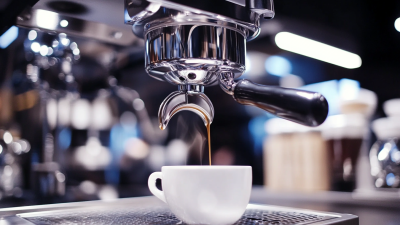

How to Choose a Robot Barista for Your Business?
Choosing a Robot Barista is not simply a decision about speed or futuristic design. It is a business investment that affects coffee quality, staff workflow, customer trust, and daily operating costs. A machine may look impressive beside a glass counter, yet fail during the morning rush.
Henry Hu, founder of Cafe X, has described the value of automation clearly: “We want to make coffee more accessible.” This principle matters when comparing robotic coffee systems. The best Robot Barista should serve customers consistently, not merely attract attention on social media.
Begin with the practical details. How many drinks can the system prepare each hour? Can it handle espresso, milk-based drinks, and custom orders? A quiet machine with simple cleaning routines may outperform a faster model that requires frequent technical support. Watch the milk nozzle, the cup dispenser, and the payment interface. Small delays become frustrating when ten customers are waiting.
Cost also needs careful examination. Hardware, installation, ingredients, software subscriptions, maintenance, and staff training can change the real return on investment. A cheaper machine may create higher expenses later. That is easy to overlook.
Customer experience deserves equal weight. Some guests enjoy watching robotic arms move. Others still want a human greeting, especially in hotels, offices, and premium cafés. A mixed service model may work better, although it is not perfect. This guide will examine the key questions, measurable standards, and practical compromises businesses should consider before choosing a Robot Barista.
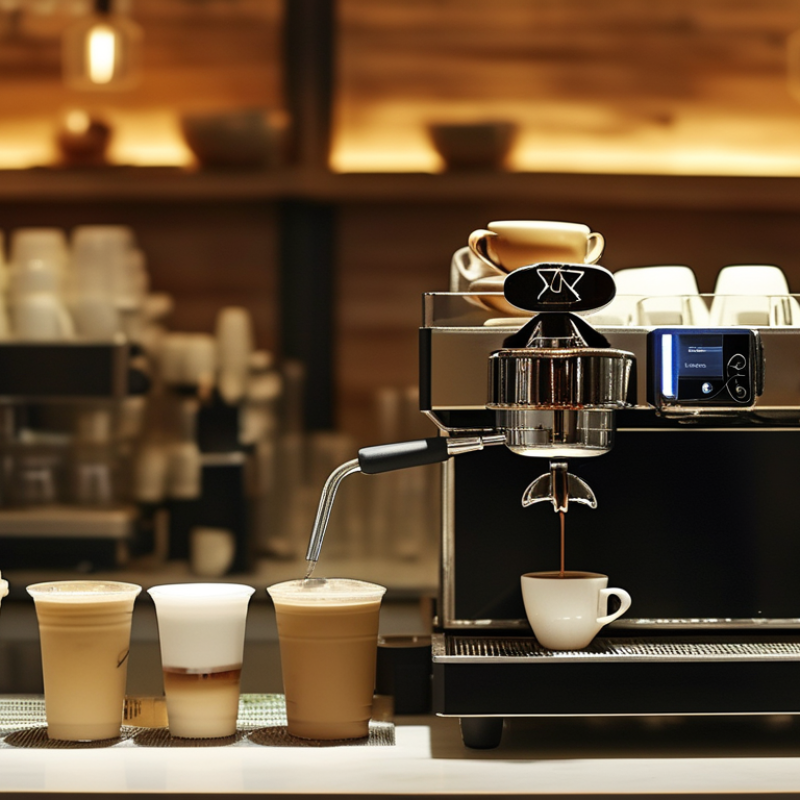
Define Your Business’s Coffee Service Needs
How to Choose a Robot Barista for Your Business?
Define Your Business’s Coffee Service Needs
Before comparing robot baristas, observe how customers actually order coffee. A hotel lobby may need quiet service from 6 a.m. A busy office may need 80 drinks before the morning meeting. A small café may value conversation more than speed.
Measure demand by time, drink type, and queue length. Record sales for at least seven typical days. Include rainy days and event periods. They can change everything. Note whether customers prefer espresso, milk drinks, iced beverages, or simple brewed coffee. A machine that makes impressive drinks may still fail if its menu is too narrow. This is where many buyers misjudge the purchase.
Space and staffing matter equally. Check counter depth, power access, water supply, drainage, and cleaning routes. Ask who will refill ingredients and respond to errors. The answer should not be “someone nearby.” Assign a trained person and define response times. Test the workflow with a mock queue, using empty cups if necessary. It often reveals awkward steps.
Service quality also includes accessibility, payment security, and clear customer instructions. Request realistic demonstrations, not only polished videos. Watch drink consistency after repeated orders. Ask about maintenance records, spare parts, software updates, and staff training. Do not select a robot only because it looks futuristic. Choose the system that fits your busiest hour, your floor plan, and your team’s actual ability to manage it. Even then, leave room for revision. Business needs change.
Compare Robot Barista Types and Core Functions
Choosing a robot barista starts with its type, not its appearance. A robotic arm suits visible, high-volume counters. It can move cups, operate equipment, and create an engaging customer experience. However, it needs calibration, safety space, and trained support. A self-contained kiosk combines a grinder, brewer, milk module, and payment interface. It saves counter labor, but its fixed design may limit custom drinks. A compact countertop robot handles repetitive espresso orders behind a staffed counter. It needs less space, although employees still manage refilling, cleaning, and customer questions.
Compare each machine’s core functions carefully. It should grind beans consistently, dose accurately, tamp evenly, and control brewing temperature. Milk preparation also deserves close attention. Check whether it supports automatic steaming, plant-based milk, and adjustable foam levels. Cleaning functions are equally important. Look for guided rinsing, removable parts, waste alerts, and clear maintenance records. Speed alone can mislead. Recovery after a blocked nozzle or empty hopper matters more during busy periods. Ask for real service data, not only showroom demonstrations.
A transport hub may need fast drinks and strong payment integration. A quiet office may value simple operation and low noise. A small café may prefer a countertop model with staff oversight. Operators should test drinks during peak hours. The weak point is often not brewing. It is restocking. A robot can prepare a consistent latte, yet still stop when supplies are poorly organized. That practical limitation deserves honest attention before purchase.
How to Choose a Robot Barista for Your Business? — Compare Robot Barista Types and Core Functions
| Robot Barista Type | How It Works | Typical Beverage Range | Typical Throughput | Core Functions | Required Utilities | Typical Footprint | Operator Involvement | Best Business Fit | Main Limitations |
|---|---|---|---|---|---|---|---|---|---|
| Automated Capsule or Pod Station | Uses pre-portioned coffee capsules or pods. The machine automatically brews the selected beverage and may add heated milk or water. | Espresso, lungo, Americano, black coffee, and selected milk-based drinks. Beverage variety depends on the capsule and milk modules. | Approximately 40–100 cups per hour | Automatic dosing, brewing, cup dispensing, water heating, order selection, and basic payment integration. | Electrical power, potable water or a refillable tank, drainage or a waste container, and optional refrigerated milk storage. | Approximately 0.5–1.5 m² for a compact self-service setup | Low during service; staff must replenish capsules, cups, milk, and water, and empty waste containers. | Offices, hotels, waiting areas, small retail spaces, and locations that need simple unattended coffee service. | Higher consumable cost per drink, limited control over coffee extraction, restricted menu customization, and additional packaging waste. |
| Superautomatic Bean-to-Cup Machine | Grinds whole beans, doses coffee, brews the drink, and can automatically dispense hot or foamed milk through an integrated system. | Espresso, Americano, coffee, cappuccino, latte, flat white, hot water, and other programmable recipes. | Approximately 60–180 cups per hour | On-demand grinding, automatic dosing, brewing, milk foaming, recipe programming, self-rinsing cycles, and usage monitoring. | Electrical power, potable water or a refillable tank, drainage or a waste container, coffee beans, and milk supply where applicable. | Approximately 0.6–1.5 m², depending on hopper and milk capacity | Moderate; staff must refill beans and milk, clean milk-contact parts, empty coffee grounds, and perform scheduled maintenance. | Offices, hotels, universities, convenience locations, restaurants, and medium-volume self-service areas. | Milk systems require strict cleaning, drink quality can vary with calibration, and the menu is less flexible than a trained manual barista. |
| Robotic Arm Café Station | A robotic arm handles selected preparation steps, such as moving cups, operating equipment, dispensing ingredients, or completing presentation tasks. | Espresso-based drinks, filtered coffee, milk beverages, cold drinks, and selected food items when compatible modules are installed. | Approximately 60–200 cups per hour | Robotic movement, automated ingredient dispensing, machine control, cup handling, recipe sequencing, order management, and optional customer display. | Electrical power, water supply, drainage, refrigeration for milk, ingredient storage, ventilation where required, and a suitable safety zone. | Approximately 2–8 m², including equipment and protected operating space | Moderate to high; staff must load ingredients, clean contact surfaces, monitor the system, and respond to faults or ingredient shortages. | Branded experience zones, shopping centers, airports, entertainment venues, and businesses that want visible automation. | Higher installation cost, more complex safety requirements, greater maintenance needs, and possible service interruptions if one module fails. |
| Automated Coffee Kiosk | Combines coffee-making equipment, ingredient storage, user interface, payment processing, and enclosure systems into a self-service kiosk. | Espresso drinks, brewed coffee, milk-based drinks, tea, hot chocolate, cold beverages, and configurable seasonal recipes. | Approximately 80–250 cups per hour | Digital ordering, cashless payment, automated preparation, ingredient monitoring, remote diagnostics, inventory alerts, and customer notifications. | Electrical power, potable water, drainage or waste handling, refrigeration, network connectivity, and ventilation according to the equipment design. | Approximately 3–10 m², including customer access and service clearance | Moderate; routine replenishment, cleaning, quality checks, and remote or on-site technical support are still required. | Airports, hospitals, campuses, office buildings, transport hubs, shopping centers, and high-traffic public venues. | Requires careful site planning, dependable utilities, regular sanitation, and sufficient demand to justify the higher capital investment. |
| Mobile Autonomous Coffee Cart | A compact mobile unit prepares beverages from onboard equipment and may use autonomous navigation or remote supervision to move between designated areas. | Espresso, Americano, latte, cappuccino, iced coffee, tea, and other drinks supported by the installed modules. | Approximately 30–120 cups per hour | Mobile service, automated drink preparation, digital ordering, obstacle detection, remote monitoring, and scheduled route operation. | Battery or electrical charging, onboard water and waste tanks, refrigeration, wireless connectivity, and approved operating routes. | Approximately 1–3 m², plus clearance for movement and customer access | Moderate; staff must recharge the unit, refill ingredients and water, empty waste tanks, clean equipment, and supervise public operation. | Campuses, large offices, exhibitions, hospitals, hotels, event venues, and facilities with changing customer traffic. | Limited tank and battery capacity, route and accessibility constraints, lower peak capacity, and additional safety considerations in crowded areas. |
| Modular Automated Beverage Line | Uses connected modules for grinding, brewing, milk handling, dispensing, sealing, labeling, and order fulfillment in a fixed production line. | High-volume coffee, espresso beverages, cold coffee, tea, flavored drinks, and standardized recipes. | Approximately 150–600 cups per hour | Batch or continuous production, automated dosing, multiple order queues, cup handling, sealing, labeling, inventory tracking, and production reporting. | Three-phase or high-capacity electrical supply where required, water, drainage, refrigeration, ventilation, network connectivity, and storage space. | Approximately 8–30 m², depending on capacity and module configuration | High during setup and scheduled maintenance; daily operation can be highly automated but still requires sanitation and replenishment staff. | Central production sites, large catering operations, foodservice facilities, stadiums, transport hubs, and high-volume retail environments. | Large capital requirement, complex integration, significant space needs, and lower flexibility when recipes or production volumes change. |
Note: Capacity, footprint, utility requirements, and menu range are typical planning ranges for commercial automated beverage systems. Actual performance depends on recipe complexity, equipment configuration, service workflow, ingredient capacity, local installation requirements, and cleaning procedures.
Evaluate Beverage Quality, Speed, and Customization
How to Choose a Robot Barista for Your Business?
Beverage quality should lead the evaluation. The National Coffee Association reported that 67% of American adults drank coffee daily in spring 2024. The International Coffee Organization also estimated global coffee consumption at 177.9 million 60-kilogram bags in 2023/24. Demand is broad, but expectations are personal. Test espresso temperature, milk texture, sweetness, and consistency during busy periods. A robot may produce a precise recipe, yet still serve a flat cappuccino when ingredients change. That weakness matters.
Speed needs practical measurement. Record the time from payment to handoff, not only the machine’s advertised cycle. Test ten identical drinks, then repeat with different milk options and ice levels. Watch the queue. A fast robot that requires frequent cleaning may slow the whole counter.
Customization should feel simple for customers and manageable for staff. Check syrup levels, milk choices, cup sizes, and temperature controls. Too many options can create errors. I would rather offer six reliable choices than twenty confusing ones.
Tips: Request a live trial with your own beans and cups. Measure waste, recovery time, and drink temperature every hour. Ask staff to operate the system without technical help. Their hesitation is useful evidence. Keep one manual backup station if service continuity matters. No machine is perfect.
Check Installation, Safety, Maintenance, and Support
How to Choose a Robot Barista for Your Business?
A robot barista should fit your site before it serves its first drink.
Ask the supplier for an installation plan covering power, water, drainage, ventilation, and floor loading. Watch the setup process if possible. Experienced technicians should test drink accuracy, operating speed, cleaning access, and emergency stop controls on site. Leave enough space around the machine for staff movement and routine inspections. A crowded counter creates avoidable risks.
Safety checks must continue after installation. The system should include guarded moving parts, clear warning labels, spill protection, and temperature controls. Staff need practical training, not just a digital manual. They should know how to stop the machine, isolate power safely, and handle unexpected faults. Local hygiene requirements also matter. Keep records for cleaning, filter changes, calibration, and temperature checks. Small omissions become expensive problems.
Maintenance quality often decides whether automation remains useful. Request a service schedule with daily, weekly, and monthly tasks. Confirm who supplies spare parts and how quickly technicians can respond. Remote diagnostics can reduce downtime, but they cannot replace physical inspection. Ask about support hours, training for new employees, and escalation procedures. A written service agreement is more dependable than friendly promises. No installation is perfect. In real cafés, spills happen, staff change, and busy mornings expose weak planning. Test the support process during a controlled fault before relying on it during peak service.
Calculate Total Costs, ROI, and Future Scalability
Choosing a robot barista for your business should begin with total cost, not the purchase price. Calculate the equipment, installation, software, training, maintenance, insurance, utilities, and consumables. Include staff time for supervision and cleaning. A machine may reduce drink preparation labor, but it will not remove every operational task. Small leaks matter.
Estimate monthly revenue from drinks, average order value, opening hours, and realistic serving capacity. Then subtract ingredients, payment fees, repairs, energy, and financing costs. A practical ROI formula is net monthly profit divided by total investment. Multiply the result by 100 to express it as a percentage. Test conservative, expected, and busy-day scenarios. My first estimate would use lower sales assumptions, because peak-hour forecasts often look better than real foot traffic. A spreadsheet can still be wrong.
Future scalability deserves equal attention. Check whether the system supports modular upgrades, remote diagnostics, software updates, and integration with ordering or payment platforms. Ask how quickly technicians can respond and whether replacement parts are locally available. Consider queue length, counter space, power supply, and staff workflow before expanding. A unit that serves 40 drinks per hour may struggle when demand doubles. Compare the cost of adding a second unit with upgrading the first. Growth can expose weak maintenance plans. Cheap today, expensive later.
Related Posts
-
Emerging Coffee Innovations in 2025 A Comprehensive Guide to the Best Robot Espresso Machines
-
Trends Shaping the Future of Coffee Robot Machines in Global Markets 2025
-
Unlocking Global Market Potential with Robot Coffee Vending Machines across Diverse Industries
-
Boost Your Business with Coffee Robot Machines at the Record-Breaking 2025 Canton Fair
-
2025 Trends in Coffee Tech: How the Best Coffee Machine Robots Will Revolutionize Brewing
-
Ultimate Showdown of Best Robot Arm Coffee Machines for Global Buyers