How to Choose the Right Steel Mill Equipment?
Choosing Steel Mill Equipment starts with understanding the product, not comparing machine prices. A mill producing thin sheet has different demands from one rolling heavy plate or long products. Billet dimensions, steel grades, target tolerances, and expected output all shape the equipment choice. Small mismatches matter. A furnace may heat stock unevenly, or a rolling stand may struggle to maintain gauge at the required speed.
Define the production range before reviewing suppliers. Record daily and peak throughput, material sizes, changeover frequency, available floor space, and utility limits. Then assess each major system, including furnaces, rolling stands, drives, cooling lines, and inspection controls. Energy use, maintenance access, spare-parts availability, and operator training deserve equal attention. They affect real production costs long after installation.
Specifications are useful, but they do not tell the whole story. Ask suppliers for performance data from mills handling similar products and operating conditions. Request clear details on commissioning, service response, and control-system integration. Where practical, review reference installations or arrange a technical site visit. A polished proposal can still leave gaps. Check assumptions carefully, especially around achievable output, product mix, and planned maintenance.
The best choice is not always the largest or most automated line. It is equipment that meets verified production needs, supports consistent quality, and can be maintained with the people and resources available. Some trade-offs will remain. Document them, compare lifecycle costs, and seek independent engineering review when key figures are uncertain.
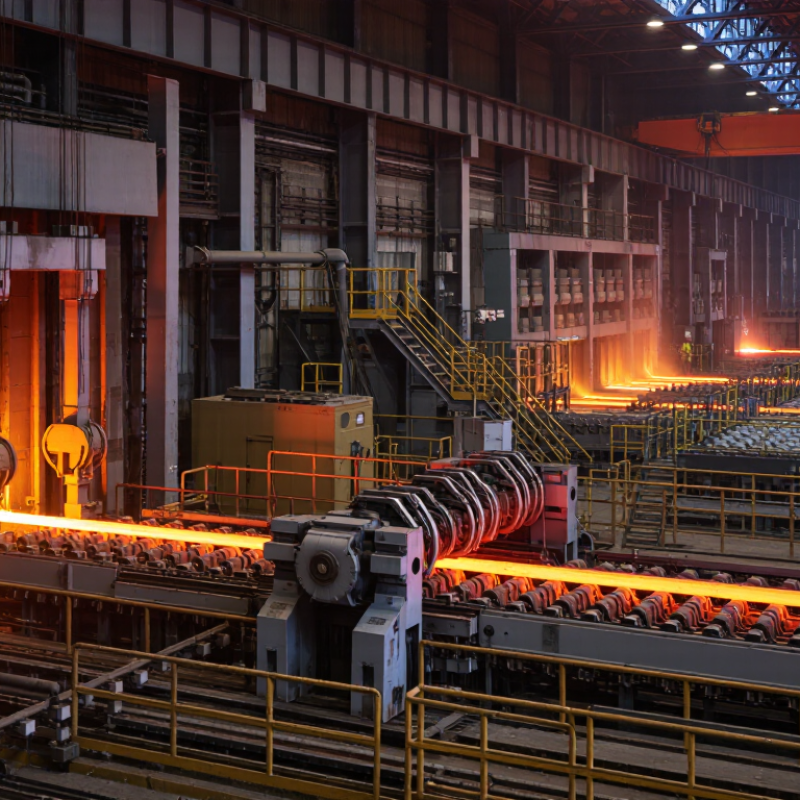
Define Production Requirements and Target Steel Products
Choosing steel mill equipment starts with a clear product list. Decide whether the mill will make billets, reinforcing bar, wire rod, or flat products. These are not interchangeable targets. Each requires a different process route, rolling arrangement, and finishing setup. Record the required steel grades, section sizes, length ranges, and dimensional tolerances. A 12-metre bar and a thin coil create very different demands on handling and cooling equipment.
Define output in practical terms, not just peak capacity. Estimate annual tonnage, operating days, shift patterns, and planned maintenance time. Include expected product changes: frequent size changes can reduce actual output and increase setup needs. Check the available furnace capacity, site footprint, power supply, water systems, and material flow. For example, a layout with limited space for billet storage may interrupt production even when the rolling line is fast. Compare these requirements with realistic operating data. Early estimates are often wrong; revisit them with production and maintenance teams before selecting machinery.
Tips: Make a product matrix with grade, size, target tonnage, and tolerance. Mark which products are essential and which are only possible future options. Keep assumptions visible. They tend to change.
Identify the Process Stages and Equipment Needed
Choosing steel mill equipment starts with the production route and the product you need to make. Start with the route. An electric arc furnace needs scrap or direct-reduced iron handling, charging equipment, and fume collection. An integrated route also requires ironmaking and hot-metal transfer systems. In both cases, refining equipment must control chemistry and temperature before casting. The right setup depends on steel grades, target output, and available feedstock.
Casting is a distinct process stage. A continuous caster needs a tundish, mold, cooling systems, and strand-cutting equipment. Slab, bloom, and billet production each call for different caster layouts. After casting, reheating furnaces bring the steel to a workable temperature for rolling. Roughing and finishing stands reduce thickness or shape the section. Cooling beds, shears, straighteners, and inspection stations support the final dimensions. Details matter.
Map the material flow from receiving to dispatch, including cranes, conveyors, and storage areas. Check how each machine connects to the next; a fast rolling stand cannot compensate for a caster that supplies too little material. Review maintenance access, spare-part needs, energy use, and operator visibility before selecting capacity. Process plans are imperfect, and demand can change. A layout that looks efficient on paper may create bottlenecks around reheating or product transfer. Have engineers compare realistic production schedules with equipment limits and planned downtime.
How to Choose the Right Steel Mill Equipment
Typical operating temperatures across key process stages
Match equipment to the stages in your production route: melting, refining, casting, reheating, and rolling. The temperatures shown are representative operating values; actual requirements vary with steel grade, process design, and operating conditions.
Compare Equipment Capacity, Performance, and Compatibility
Choosing steel mill equipment starts with matching capacity to the mill’s real production rhythm. A machine’s peak rating may not reflect output across a full shift. Compare expected tonnes per hour with product mix, changeover time, and planned maintenance. For example, frequent shifts between thin and thick sections can reduce actual throughput. Leave room for demand growth, but avoid paying for capacity the plant cannot use.
Performance depends on more than speed. Review dimensional tolerances, surface finish, energy use, and downtime records under comparable operating conditions. Ask how output changes with different steel grades and operating temperatures. Small details matter. A faster line may create bottlenecks if cooling beds, cranes, or inspection stations cannot keep pace. The comparison is rarely perfectly tidy; supplier figures may use different test conditions, so request the assumptions behind each result.
Compatibility can determine whether an apparently suitable machine works in practice. Check foundation loads, floor space, power supply, cooling water, control interfaces, and connection points to existing lines. Confirm that maintenance crews can reach bearings and rolls safely, and that common replacement parts are available. A compact unit may fit on paper yet leave too little room for maintenance access. Record these constraints before comparing final quotations, and have engineering staff verify drawings against the actual site.
Evaluate Lifecycle Costs, Supplier Support, and Installation Needs
Steel mill equipment should be judged by years of service, not just its purchase price. A lower-cost rolling stand may consume more power, require frequent roll changes, or slow production during maintenance. Ask suppliers for realistic energy figures, expected wear-part intervals, and service-life assumptions. Check what each estimate includes. Does it cover commissioning, operator training, software updates, and spare parts? Small omissions can change the total cost.
Supplier support matters most when a production line stops. Clarify response times, local technician availability, and which components are stocked nearby. Request written service terms, not only reassuring sales language. Ask to speak with a facility using similar equipment, then compare its operating conditions with yours. Installation needs deserve equal attention. Measure floor loading, crane capacity, access routes, utility connections, and the space needed to remove motors or gearboxes. A machine can fit on a drawing and still be difficult to maintain. Plan for foundation work, electrical checks, and test runs. Leave room for delays. Estimates can miss awkward site conditions, so a pre-installation survey is worth considering. A cable route overlooked during planning can add days, not hours.