

What Is a Glass Pitcher and What Types Are Available?
A Glass Pitcher is more than a transparent container for water, juice, or iced tea. It can shape how a table feels. Light passes through clear walls, catches lemon slices, and highlights floating mint leaves. Yet appearance is only part of the decision. Weight, handle comfort, pouring control, capacity, and thermal resistance matter every day.
Glassware historian William Warmus has offered a useful perspective: “Glass makes light visible.” That idea explains much of a pitcher’s appeal. Clear glass displays the drink honestly, while colored or textured glass adds privacy and visual depth. Borosilicate glass suits users who value stronger thermal performance. Soda-lime glass remains common because it is affordable and widely available. Lead-free crystal can provide extra clarity and a refined feel.
The details matter.
Some pitchers include narrow spouts for controlled pouring. Others use broad openings for fruit, ice, and easy cleaning. A hinged lid may reduce dust, but it can also collect residue around its seal. Tall designs save refrigerator space poorly. Wide designs pour comfortably but occupy more shelf room.
This article explores what a Glass Pitcher is and how its main types differ. It also considers practical weaknesses, because no design is perfect. Even a beautiful pitcher may feel awkward when full. A well-informed choice balances style, safety, maintenance, and real household habits.
Definition and Basic Structure of a Glass Pitcher
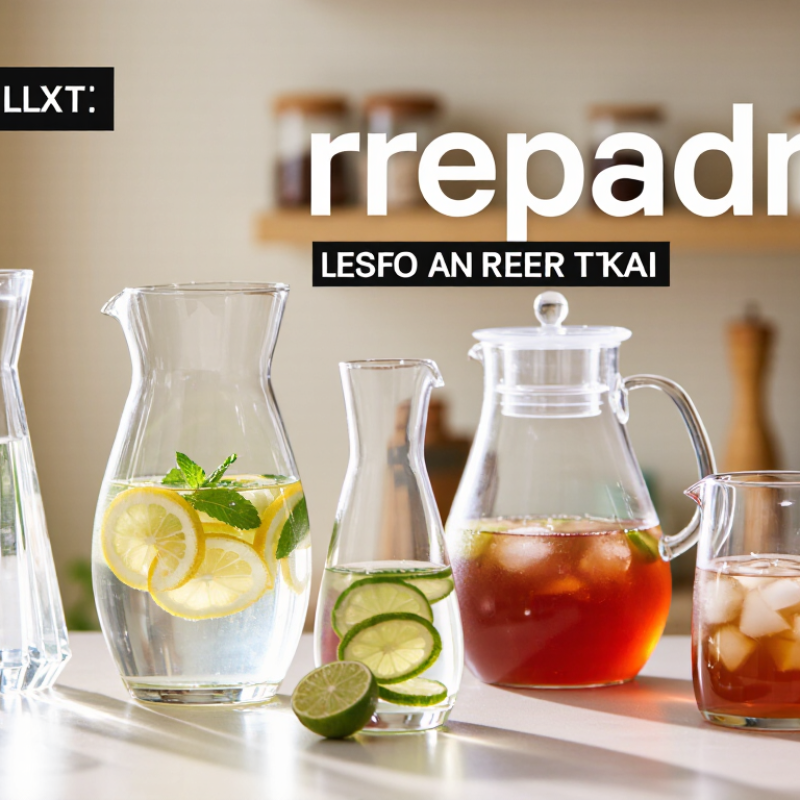
A glass pitcher is a handled container designed to hold and pour liquids. Its main body is usually made from clear, heat-resistant glass. This lets users see the drink level, color, and sediment. A typical pitcher includes a wide opening, a stable base, a curved handle, and a pouring spout. Some models also have a fitted lid.
The basic structure affects everyday use. A broad opening makes cleaning easier and allows ice, fruit, or herbs to enter. A narrow spout improves control and reduces splashing. Thick glass can feel stronger, but it may also feel heavy when full. Some pitchers use borosilicate glass for better resistance to temperature changes. Others use ordinary soda-lime glass for cold drinks. Not every “heat-resistant” pitcher tolerates sudden temperature changes. I have seen users pour boiling liquid into a chilled pitcher, then discover a crack. The problem was not always poor glass quality.
Tips: Check the base for stability before filling the pitcher. Use a soft sponge to protect the surface. Avoid sudden temperature changes, especially with cold glass. If the pitcher has a lid, confirm that it fits securely without forcing it. For daily serving, choose a comfortable handle and a spout that pours in a steady stream. A beautiful shape is useful, but grip comfort matters more than appearance.
How Glass Pitchers Are Made and Designed
A glass pitcher is made to balance clarity, strength, and comfortable pouring. Manufacturers usually heat glass until it becomes soft and workable. The material may be formed by pressing, blowing, or molding. After shaping, the pitcher passes through an annealing process. This controlled cooling reduces internal stress and helps prevent sudden cracking. It sounds simple, but small temperature changes can affect durability.
Design begins with daily use. A wider opening makes filling and cleaning easier, while a narrow spout improves control. A thick base adds stability on a wet table. Handles are often shaped with extra space for the fingers, though some designs still feel awkward when the pitcher is full. Clear glass shows water levels, fruit slices, and sediment immediately. That visual honesty is useful, but fingerprints become visible too. Heat-resistant glass may suit warm drinks, yet sudden temperature changes can still cause damage. No design is perfect.
Tips: Check the rim for chips before use. Run your fingers around the handle and spout. They should feel smooth, not sharp. Avoid placing a hot pitcher on a cold stone surface. Hand washing may protect delicate details, although careful dishwasher use can be acceptable for some models. A pitcher should look attractive, but its balance matters more when carrying several glasses.
Main Types of Glass Pitchers and Their Features
What Is a Glass Pitcher and What Types Are Available?
A glass pitcher is a reusable container designed for serving water, juice, tea, or other cold drinks. Its transparent body lets you see the liquid, fruit slices, herbs, or ice inside. Glass also resists retaining odors, which helps keep flavors clean between uses. However, it can break when dropped or exposed to sudden temperature changes.
Heat-resistant glass pitchers suit hot tea and recently boiled water. They should still be warmed gradually. A cold pitcher may crack when filled too quickly with hot liquid. Borosilicate glass usually handles temperature changes better than ordinary soda-lime glass. It is lighter in some designs, but not always stronger against impact.
Refrigerator pitchers often include fitted lids and slim bodies. Their narrow shape saves shelf space, while the lid helps reduce odors and dust. Infuser pitchers contain a removable basket for lemon, mint, berries, or loose tea. They add flavor without letting pieces spread through the drink. Wide-mouth pitchers are easier to clean and fill with large ice cubes. Yet they may occupy more space.
Dispenser-style glass pitchers work well for gatherings. Some have a small tap for controlled pouring. That feature is convenient, but the tap needs careful cleaning. A stylish pitcher is not automatically practical. Consider weight, handle comfort, lid security, and cleaning access before choosing one. Small details matter.
What Is a Glass Pitcher and What Types Are Available? - Main Types of Glass Pitchers and Their Features
| Type of Glass Pitcher | Typical Capacity | Key Features | Common Uses | Important Considerations |
|---|---|---|---|---|
| Standard Serving Pitcher | 1.0–2.0 liters | Clear glass body, practical handle, and a wide opening for easy filling and cleaning. | Serving water, juice, iced tea, lemonade, and other cold beverages. | Check the wall thickness and handle strength before filling it to full capacity. |
| Infuser Pitcher | 1.0–2.0 liters | Includes a removable central or side infuser for fruit, herbs, tea leaves, or spices. | Fruit-infused water, herbal drinks, cold-brewed tea, and flavored beverages. | Small infuser openings may restrict ingredients and require thorough rinsing after use. |
| Glass Water Carafe | 0.5–1.5 liters | Usually has a slim, elegant profile and may include a stopper, lid, or pouring lip. | Dining tables, bedside water service, offices, and individual servings. | Its narrow shape can be more difficult to clean without a suitable bottle brush. |
| Borosilicate Glass Pitcher | 1.0–2.0 liters | Made from heat-resistant borosilicate glass with relatively low thermal expansion. | Hot tea, warm beverages, cold drinks, and pitchers used across a wider temperature range. | It is more heat-tolerant than ordinary glass, but sudden extreme temperature changes can still cause breakage. |
| Heatproof Glass Pitcher | 1.0–1.8 liters | Designed for hot liquids and often paired with a heat-resistant handle or lid. | Hot tea, coffee-based drinks, mulled beverages, and brewing or serving at the table. | Confirm that the complete pitcher, including the handle and lid, is rated for hot-liquid use. |
| Refrigerator Door Pitcher | 1.0–2.0 liters | Narrow, space-efficient design intended to fit inside many refrigerator door shelves. | Chilled water, homemade drinks, and everyday refrigerator storage. | Measure the refrigerator shelf first because door compartments differ in width and height. |
| Lidded Glass Pitcher | 1.0–2.0 liters | Uses a fitted lid to help limit dust, odors, insects, and accidental spills. | Outdoor meals, refrigerator storage, shared dining, and prepared beverages. | A lid improves protection but does not make the pitcher completely leakproof unless specifically designed for that purpose. |
| Glass Pitcher with Pouring Spout | 0.75–2.0 liters | Features a shaped spout that helps control the flow and reduce drips while pouring. | Serving water, sauces, dressings, syrups, and beverages that require accurate pouring. | Fine spouts may be more prone to chipping and should be handled carefully during washing and storage. |
| Glass Beverage Dispenser | 3.0–8.0 liters | Large glass container with a lower tap or spigot for self-service dispensing. | Parties, buffets, cafés, events, and serving large quantities of cold beverages. | The base must be placed on a stable, level surface, and the spigot requires regular cleaning to prevent residue buildup. |
| Decorative Ribbed or Textured Pitcher | 0.75–2.0 liters | Uses patterned, fluted, or textured glass to create visual interest and improve grip. | Table presentation, special occasions, home décor, and serving cold drinks. | Textured surfaces can be harder to clean, and decorative glass may be less suitable for rough daily handling. |
Note: Capacity ranges are common approximate sizes. Always follow the care, temperature, dishwasher, and handling instructions provided for the specific glass pitcher.
Common Uses in Homes, Restaurants, and Events
A glass pitcher is a transparent serving vessel designed for water, juice, tea, or other drinks. Common types include plain pitchers, lidded models, infuser pitchers, and heat-resistant glass versions. Plain designs suit everyday meals, while infuser models hold lemon slices, berries, mint, or cucumber. Some pitchers use thick, tempered glass for better resistance against sudden temperature changes.
At home, a pitcher keeps drinking water visible and easy to reach. A wide opening makes cleaning simpler, especially after sweet drinks leave sticky residue. In my experience, a stable handle matters more than decorative details.
I once underestimated the weight of a full pitcher, and the narrow handle felt awkward. That small design flaw can cause spills. For hot tea, users should confirm that the glass tolerates heat before pouring boiling liquid.
Restaurants often use glass pitchers for table water, iced tea, and house-made fruit drinks. Their clear walls help staff monitor drink levels quickly. A pouring lip can reduce drips during busy service. Taller pitchers save table space, but they may feel less stable on crowded tables.
Events use larger pitchers at buffet stations, welcome tables, and outdoor refreshment areas. Lidded versions help protect drinks from dust and accidental contact. Event planners should also consider weight, transport, and replacement needs, because glass can chip when handled carelessly.
How to Choose, Use, and Maintain a Glass Pitcher
A glass pitcher is a reusable vessel for water, juice, tea, or infused drinks. Choosing one depends on more than appearance. A narrow pitcher chills efficiently, while a wider body makes cleaning easier. Borosilicate glass tolerates temperature changes better than ordinary soda-lime glass. Still, thermal shock can crack either type. Do not pour boiling liquid into a cold pitcher. Check the capacity, handle comfort, lid fit, and pouring control. A stable base matters on a crowded table. Small details matter.
Use filtered water and leave a little space for ice or fruit. Wash the pitcher soon after serving, especially after adding citrus, milk, or sweetened drinks. A soft bottle brush can reach the bottom without scratching the surface. Avoid sudden temperature changes during washing. The U.S. Environmental Protection Agency’s 2018 Facts and Figures report recorded a 31.3% recycling rate for glass containers in the United States. That figure supports reuse, but recycling still depends on local collection systems. Inspect the rim and handle regularly. A hairline crack is easy to miss. Replace damaged glass, even if it still looks usable. I would not rely on a decorative lid alone; it may reduce dust but rarely creates a leakproof seal. Dry the pitcher upside down, yet allow airflow around the opening. Odors sometimes remain after sweet drinks. A mild baking-soda wash can help, although stubborn smells may require repeating the process.
What Is a Glass Pitcher and What Types Are Available?
Glass pitchers are reusable containers commonly used for serving water, iced tea, juice, and infused drinks. Their capacity varies by design and intended use.
Typical Glass Pitcher Capacities by Use
Small pitchers are convenient for single meals, standard pitchers suit everyday family use, and larger pitchers are useful for gatherings. Infuser pitchers usually include extra space for fruit, herbs, or ice.