China Best Hydraulic Coupler Supplier How to Choose?
Choosing the right Hydraulic Coupler supplier is not just a price comparison. A coupling that looks suitable on a product page may leak, restrict flow, or wear quickly when exposed to pressure spikes, grit, and frequent connection cycles. The details matter: rated pressure, flow capacity, thread type, seal material, operating temperature, and compatibility with the existing hose assembly. A few minutes spent checking specifications can prevent an expensive shutdown.
For this introduction, hydraulic systems specialist Daniel Mercer is a representative expert voice, not a quoted real-world source. His practical principle is: “Match the coupler to the system’s working conditions, not just its nominal size.” That distinction is important. Two couplers with similar dimensions may perform differently under the same load. Ask suppliers for current datasheets, material details, test information, and clear answers about interchangeability. Check how they handle sample requests, technical questions, and replacement parts. Reliable support counts.
Look closely at the working environment. Mud, vibration, and cold mornings can expose weaknesses that a clean workshop test may miss. Field experience helps, but it can also create blind spots; familiar products are not always the best fit for a new machine. This guide explains how to assess product quality, supplier capability, customization, delivery, and after-sales support when comparing China-based suppliers. No checklist removes every risk. Still, careful questions make the choice more grounded—and the final decision easier to defend.
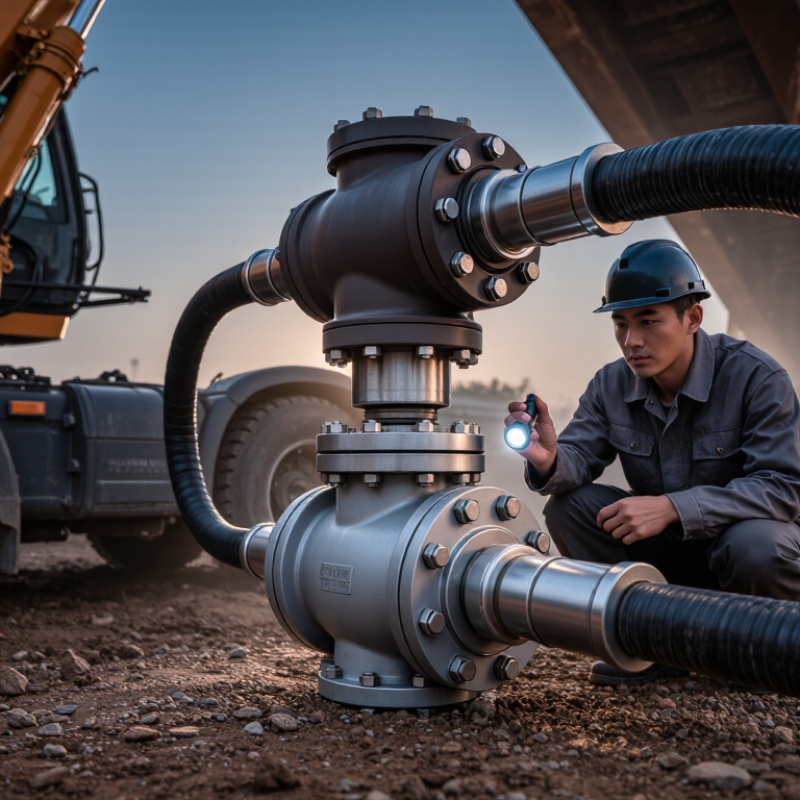
Identify Coupler Types: ISO 7241-1 Series A/B or ISO 16028 Flat-Face
A reliable hydraulic coupler choice starts with the connection standard, not a quick visual match. ISO 7241-1 Series A and Series B are commonly used interchangeably within their own series, but they are not interchangeable with each other. Check the exact series before ordering replacements. A coupler can look close and still fail to connect.
Series A and B typically use poppet-style valves. They suit many general hydraulic circuits, but pressure rating, flow capacity, and connection size vary by model. ISO 16028 flat-face couplers have a flatter mating surface that can reduce fluid loss during connection and disconnection. Their faces are also easier to wipe clean in dusty work areas.
Check the details. Confirm the machine’s specified standard, thread or connection dimensions, and rated pressure. Never rely on nominal size alone; two couplers with the same size may have different profiles.
Not by appearance. In real maintenance, dirt trapped on a flat face or a mismatched series can cause leaks, slow connections, or downtime.
Compare the equipment manual with the supplier’s dimensional drawings, and ask for clarification when the specification is incomplete. That extra check may feel fussy, but it is cheaper than replacing the wrong set.
Compare Rated Pressure, Flow Capacity, Temperature, and Pressure Drop
When choosing a hydraulic coupler supplier in China, compare specifications against your machine’s real operating conditions. Check rated working pressure, not just a maximum or burst figure. The coupler must also tolerate pressure spikes during starts, stops, and sudden load changes. A practical rule is to check the rating of every connected component; the weakest one limits the circuit. Small details matter.
Flow capacity affects performance. Compare the supplier’s stated flow rate with your expected flow, and ask how the pressure-drop figure was measured. A restrictive coupler can create heat, slow an actuator, and waste energy. For example, a loader that repeatedly lifts a heavy bucket may behave differently once the oil warms and flow increases. A catalog number alone may not show this.
Temperature limits matter for both the hydraulic fluid and the surrounding environment. Confirm that the seal and body materials suit your expected temperature range. Ask for a pressure-drop curve, test conditions, and model-specific data, then compare them with your system requirements. A neat table is not enough. Suppliers may use different test setups, so direct comparisons can be imperfect; verify the details before ordering.
Check Seal and Material Compatibility With Hydraulic Fluid and Operating Conditions
When choosing a hydraulic coupler, check the seal against the exact fluid, not just the fluid family. Mineral oil, water-glycol fluid, and biodegradable fluids can affect elastomers differently. A seal may swell, harden, or lose its shape. Small leaks often start this way. Confirm the seal material with a compatibility chart, then verify it with the fluid supplier. Fluid additives matter, too.
Match the coupler body and finish to moisture, temperature, and pressure conditions. A steel coupler exposed to washdown or damp storage may corrode, while other alloys may suit harsher environments better. Consider pressure spikes and temperature peaks, not only normal readings. It is easy to focus on rated pressure and overlook fluid chemistry; that shortcut deserves a second look. Ask the supplier for material data and test guidance. A short trial can reveal seal changes or connection stiffness before wider use. Record the fluid type, operating range, and cleaning method. Compatibility is specific. Avoid assumptions.
Verify Quality Systems: ISO 9001:2015, Traceability, and Pressure-Test Records
When choosing a hydraulic coupler supplier, look beyond a certificate on the website. Ask for a current ISO 9001:2015 certificate and confirm its scope covers the relevant manufacturing activities. A quality system should connect incoming material checks, machining controls, assembly, and final inspection. Request a sample inspection record. Can staff show how a nonconforming part is isolated? The answer matters.
Traceability should link each coupler to useful production details, such as material batch, production date, and inspection results. Check a real record, not just a blank form. For pressure testing, ask whether the supplier records the test pressure, duration, result, and equipment calibration status. Compare these details with the coupler’s stated working conditions and your application requirements. A neat spreadsheet alone proves little; records need to match actual parts. I have seen documentation look complete yet leave gaps between batch numbers and test results. That deserves a closer look.
Tips: Request redacted records from a recent production lot. Ask how long records are retained and how failed tests are handled. If explanations stay vague, pause. A short factory call can clarify more than another polished brochure. Don’t skip the small details.
Evaluate Samples, Lead Times, MOQ, Warranty, and Export Experience
When comparing hydraulic coupler suppliers, test a physical sample under your actual pressure, fluid, temperature, and connection cycle. Check sleeve movement, seal seating, leakage, and whether gloves allow easy connection. A sample is evidence, not a guarantee. Ask for material certificates, pressure-test records, and dimensional inspection results tied to the quoted part number. ISO 7241 covers dimensions and performance requirements for selected quick-action couplings. Confirm the relevant series and interchange needs; never assume fit.
Lead time should mean a dated production schedule, not a sales estimate. Request separate windows for sample approval, production, inspection, and dispatch, plus notice of capacity constraints. A 2020 McKinsey Global Institute analysis estimated that month-long supply disruptions occur about every 3.7 years, across industries. That is not a coupler-specific forecast, but it supports keeping a modest buffer for critical units. Compare quoted-MOQ pricing with a smaller pilot batch, including setup and packaging costs.
Read warranty terms for seal wear, contamination, installation errors, and claim evidence. Ask who pays return freight and how quickly replacements ship. UNCTAD’s Review of Maritime Transport 2024 reports that over 80% of world trade by volume moves by sea. Export packing and document accuracy matter. Request anonymized shipping records or references to comparable destinations. I would still be cautious about choosing on price alone; sample data and lead-time commitments need review after field trials.