How to Choose the Right Weightlifting Belts?
Choosing the right Weightlifting Belts can improve lifting confidence, bracing, and training consistency. However, a belt is not a shortcut to better technique. It supports a well-developed brace; it cannot replace one.
I learned this after using a belt that felt impressive but restricted my breathing. Its thick leather pressed sharply against my ribs during heavy squats. That experience changed my approach. Comfort, fit, and movement matter as much as strength. A belt should feel secure around your trunk, without forcing your stomach into an unnatural position. It should also stay stable when you hinge, squat, or pull from the floor.
This guide explains how to compare belt widths, materials, fastening systems, and intended uses. It considers practical training experience, established coaching principles, and manufacturer guidance. Powerlifting belts may provide firm, even support, while narrower designs can suit Olympic lifting and dynamic movements. Neither option is automatically superior.
Your body decides.
Measurements should come before style. Check your waist at the belt position, then compare that measurement with the manufacturer’s sizing chart. A few centimeters can change the fit significantly. Beginners may also need time to learn proper bracing before lifting near maximum loads. That point is easy to overlook.
The best Weightlifting Belts match your training goals, body shape, lifting style, and tolerance for pressure. This guide will help you make a safer, more informed choice while recognizing an important limitation: equipment advice cannot replace qualified coaching or individual assessment.
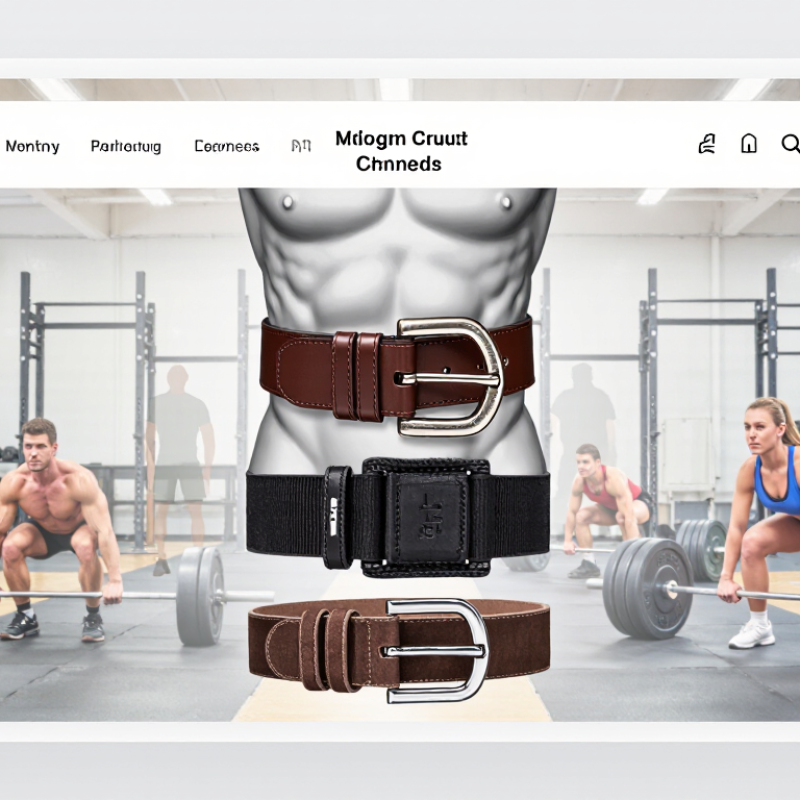
What a Weightlifting Belt Does and When to Use One
A weightlifting belt does not hold your spine in place like a rigid brace. It gives your trunk something to press against, helping you create intra-abdominal pressure during heavy squats, deadlifts, and presses. That pressure can improve bracing and make force transfer feel more stable. The belt supports technique; it does not repair poor positioning. I have seen lifters tighten a belt too early, then forget to breathe and brace properly. The belt became a crutch. That mistake is easy to repeat.
Use one when load, fatigue, or a demanding set makes consistent bracing difficult. Many experienced lifters reserve it for heavy working sets, near-maximal efforts, or repeated compound lifts. It is less useful for warm-ups, light training, and movements where relaxed breathing matters. Before adding weight, practice a deep breath into your abdomen, expand your sides, and hold tension briefly. A snug belt should feel firm, not painful. If you cannot breathe or set your ribs comfortably, it is too tight.
Choosing the right belt depends on fit, thickness, width, and your training style. A power-focused lifter may prefer firm, even support, while an Olympic lifter may need more freedom around the hips. Measure your waist where the belt will sit, then check the sizing guide. Fit can change with clothing and body weight. Do not assume the stiffest option is best. Your belt should help you brace naturally, not force you into a position you cannot control. A qualified coach can watch your setup, but your own breathing remains the clearest test.
How to Match Belt Type to Your Training Goals
How to Choose the Right Weightlifting Belts?
How to Match Belt Type to Your Training Goals
The best belt depends on what you train, not simply how heavy you lift. For heavy squats and deadlifts, a firm leather belt can support consistent abdominal bracing. Its even width helps create pressure around your torso. Choose a model that feels supportive, not restrictive.
Powerlifting-style training often suits a thick, wide belt with a secure buckle. Olympic lifting requires more movement around the hips. A narrower, flexible belt may work better for cleans and snatches. If your sessions include machines, dumbbells, and moderate barbell work, a nylon belt can offer comfort and quick adjustment. I once chose stiffness over mobility, and my receiving position became awkward. That mistake changed how I judge equipment.
Tips: Match the belt to your main lifts. Measure your waist at the belt position, then check the size chart carefully. Tighten it enough to brace, but leave room for controlled breathing. Practice with lighter weights before using it for heavy sets. A belt cannot replace core strength or sound technique. Stop if you feel sharp pain, numbness, or unusual pressure. Recheck the fit after several sessions, because belts can settle and your preferences may change.
How to Choose the Right Belt Width, Thickness, and Material
Choosing a lifting belt starts with width, thickness, and material, not appearance. The International Weightlifting Federation’s 2024 technical rules allow belts up to 12 centimetres wide. That limit offers a useful reference, not a universal target. A 10–12 centimetre belt can support the abdomen during heavy squats and deadlifts. However, shorter lifters may find a wide belt digs into the ribs or hips. Fit matters more than maximum size.
Thickness changes both support and comfort. A 10–13 millimetre belt feels rigid and suits experienced lifters handling near-maximal loads. Thinner belts usually bend more easily and suit lighter training or mixed movements. Research published in the Journal of Biomechanics found that lifting belts can increase intra-abdominal pressure during demanding lifts. They do not replace bracing skill or correct technique. I still see lifters choosing the thickest option too soon. It can restrict breathing.
Material affects durability and adjustment. Full-grain leather generally offers firm, predictable resistance, but it needs a break-in period. Nylon or other woven materials feel lighter and flex better during dynamic exercises. A 2023 report from the American College of Sports Medicine continues to emphasize individualized resistance training and progressive loading. That principle applies here: select the belt that matches your training exposure. Check whether the edge presses into your pelvis when you squat. Test several breathing cycles. If you cannot brace comfortably, the belt is probably too stiff, too wide, or poorly positioned.
How to Choose the Right Weightlifting Belt
Choosing the Right Belt Width, Thickness, and Material
Typical belt dimensions vary by construction and intended use. A wider, thicker belt generally provides more rigid abdominal support, while tapered and flexible designs allow greater movement during Olympic lifting and general training.
How to use this chart: Choose a tapered nylon or leather belt when mobility and comfort are priorities. Choose a straight, thicker leather belt or reinforced nylon belt when maximum rigidity is more important for heavy squats and deadlifts. A common maximum back width is approximately 100 mm, while thickness is often selected between 6 mm and 10 mm according to the desired balance of flexibility and support.
How to Find a Secure and Comfortable Belt Fit
A weightlifting belt should feel secure before it feels powerful. Measure your waist where the belt will sit, not automatically at its narrowest point. Try it over a thin training shirt. You should fit two or three fingers beneath the belt. That space allows controlled breathing and bracing. If the buckle presses your ribs, move the belt slightly lower. If it pinches your hips, raise it or choose a different width. Small adjustments matter.
Test the fit with an empty bar, then with a moderate load. Take a deep breath into your abdomen and expand gently against the belt. The belt should give you something to brace against without stopping your breath. Walk, squat, and hinge before judging it. A secure belt stays centered during movement. It should not twist, slide, or demand constant attention. For deadlifts, some lifters prefer a lower position. For squats, a slightly higher position may feel better. Your torso shape decides.
I once tightened a belt too much and mistook discomfort for support. That mistake made my bracing less consistent. Comfort is not weakness; it helps you repeat sound technique. Use the same fit across several sessions, especially when fatigue changes your posture. Stop if you feel numbness, sharp pressure, or restricted breathing. A belt can improve confidence, but it cannot correct poor setup. Ask a qualified coach to watch your brace and bar path. Their feedback may challenge your preferred fit, which is useful.
How to Test, Maintain, and Replace Your Weightlifting Belt
How to Choose the Right Weightlifting Belts?
A weightlifting belt should feel secure, not restrictive, during bracing. Choosing one starts with fit, but testing shows whether it supports your lifting. Measure around your torso where the belt will sit, then check the manufacturer’s size range. Fasten it firmly, leaving enough space for controlled breathing. A belt that pinches your ribs is wrong. During a warm-up squat, brace normally and notice any shifting, folding, or pressure points. I once tightened a belt too much and confused discomfort with stability. That was a useful mistake.
Tips: Test the belt with lighter sets first. Walk, bend, and brace before heavy lifting. Check whether the fastening system stays closed without constant adjustment. Ask a qualified coach to watch your setup, especially if your back position changes.
Maintenance affects safety and service life. Wipe sweat away after each session, then let the belt dry completely in a ventilated place. Avoid sealed gym bags while it remains damp. Inspect stitching, holes, fasteners, and edges every few weeks. Small cracks can grow quickly. Do not use harsh chemicals or soak the belt unless its care instructions allow it. Replace the belt when it loses shape, slips under load, or shows damaged stitching. A temporary adjustment may seem practical, but weakened support can alter your bracing. I sometimes inspect equipment too late, so a calendar reminder helps. A reliable belt should support consistent technique, not hide it.