

Top Digital Signage LED Wall Suppliers Worldwide?
The global market for digital signage LED wall systems is expanding beyond shopping malls and airports. It now includes stadiums, transport hubs, corporate lobbies, and outdoor brand spaces. Grand View Research valued the global digital signage market at approximately USD 27.3 billion in 2023. Its report projects continued growth through 2030, supported by falling LED costs and stronger demand for real-time content. MarketsandMarkets also identifies fine-pitch LED displays as a key growth area.
The numbers are promising. They are not the whole story. An LED wall must remain readable under direct sunlight, survive long operating hours, and deliver consistent color across thousands of modules. Pixel pitch, brightness, refresh rate, thermal design, calibration, and front-service access deserve careful comparison. Warranty coverage matters, too. A low purchase price can become expensive after repeated module failures or difficult maintenance visits.
As digital signage consultant Alan Brawn has stated, “Digital signage is not television; it is a communications medium.” That distinction should guide this supplier review. The leading digital signage LED wall suppliers are not judged only by cabinet specifications. Their engineering support, installation experience, content compatibility, spare-parts access, and regional service networks matter equally. A ranking can never be perfectly universal. A stadium needs different performance from a boutique store. This guide therefore compares global suppliers through practical criteria, including display quality, reliability, project delivery, sustainability claims, and verified customer experience. Readers should still request recent test data, independent references, and detailed energy figures before making a final decision. The strongest supplier on paper may not be the best partner for a specific site.
What Is a Digital Signage LED Wall?
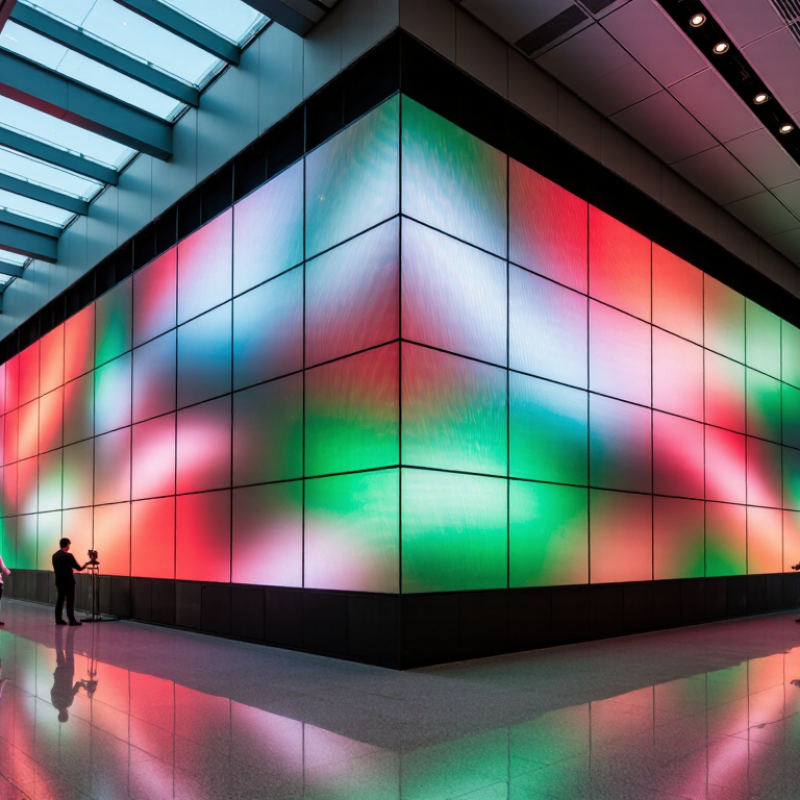
A digital signage LED wall is a large, modular display built from light-emitting diode cabinets. Unlike a television, it can cover an entire storefront, lobby, stadium, or transit hall. Each cabinet contains thousands of LEDs, receiving video from a controller or media player. The system displays advertising, directions, live data, or emergency information with strong visibility.
Pixel pitch matters. A 2.5-millimeter pitch suits close viewing, while a 6-millimeter pitch may work better across a busy atrium. Brightness also needs context. Outdoor walls often require over 5,000 nits, but excessive brightness can waste energy and cause visual discomfort. Refresh rate, grayscale performance, cabinet weight, service access, and IP protection should be checked together. A high refresh rate helps cameras capture cleaner images. It does not automatically improve every viewing experience.
Market data supports the category’s expansion. Grand View Research estimated the global digital signage market at about 27 billion dollars in 2022, with continued growth through 2030. MarketsandMarkets also projected strong growth for the LED display market, driven by advertising, transportation, retail, and events. These figures describe opportunity, not guaranteed return. A wall can still fail when content is weak, viewing distance is misjudged, or maintenance access is ignored. The boundary is not always neat. A technically impressive display may communicate poorly. Buyers comparing worldwide suppliers should request measured brightness, power data, calibration records, spare-part plans, and installation references, rather than trusting attractive specification sheets alone.
Key Factors for Comparing Global LED Wall Suppliers
Comparing global LED wall suppliers requires more than checking cabinet prices. Grand View Research valued the global digital signage market at approximately USD 27.3 billion in 2023. Its forecast also indicates continued growth through 2030. This expansion makes supplier quality harder to judge. Look beyond price. Compare pixel pitch, brightness, refresh rate, color calibration, and viewing distance. A fine-pitch wall may suit a control room, while a brighter outdoor wall needs stronger weather protection. Ask for proof, not promises.
Request measured test reports, energy data, warranty terms, and replacement-part availability. MarketsandMarkets projects the LED display market to grow from about USD 7.4 billion in 2024 to USD 11.7 billion by 2029. That growth may encourage inexperienced suppliers. Inspect factory quality procedures, module consistency, thermal design, and certification records. Field support matters too. A remote troubleshooting response within hours can prevent a dark screen during a live event. Confirm installation training and local service coverage before signing.
Total cost is often misunderstood. Power consumption, spare modules, calibration tools, shipping, and technician visits can exceed the original quotation. I have seen attractive bids become expensive after weak after-sales support. A comparison can still mislead. Ask for a reference installation with similar climate, screen size, and operating hours. Do not rely only on polished videos. Face-to-face technical reviews remain imperfect, but they reveal how clearly a supplier handles difficult questions.
Leading Digital Signage LED Wall Suppliers Worldwide
Worldwide demand for digital signage LED walls is rising as retailers, transport hubs, stadiums, and corporate campuses replace static displays. Grand View Research estimated the global digital signage market at approximately USD 27.1 billion in 2022, with continued growth projected through 2030. This expansion is creating a wider supplier field, but scale alone does not prove quality.
Experienced suppliers should provide measured brightness, stable color calibration, and clear pixel-pitch guidance. A fine-pitch wall may suit a two-meter viewing distance, while a larger outdoor screen needs stronger brightness and weather protection.
MarketsandMarkets reported that the LED display market could grow from about USD 7.1 billion in 2022 to USD 13.7 billion by 2027. These figures support investment, but they do not remove installation risks.
Ask suppliers for cabinet weight, refresh rate, power consumption, service access, and spare-part plans. Request a live demonstration, not only polished photos. Check performance under bright sunlight and close viewing.
Small details matter. A loose module can interrupt an entire message wall.
Independent testing and documented warranties also improve purchasing confidence. Still, supplier claims require scrutiny; published data often reflects market forecasts, not guaranteed project results. Local technicians, realistic maintenance budgets, and verified references may matter more than an impressive showroom.
How to Evaluate LED Wall Quality, Technology, and Support
Top Digital Signage LED Wall Suppliers Worldwide?
How to Evaluate LED Wall Quality, Technology, and Support
Choosing an LED wall supplier requires more than comparing pixel prices. A reliable evaluation starts with the viewing distance, screen size, brightness, and installation environment. Indoor displays usually need softer brightness, while outdoor walls require weather resistance and stronger protection.
Inspect the cabinet alignment and module seams carefully. Uneven edges can become obvious under bright content. Ask for a live demonstration using skin tones, fine text, and fast-moving video. Check refresh rate, grayscale performance, color calibration, and viewing angles. A lower pixel pitch is not always better. It may increase cost without improving the audience’s experience.
Request documented test results, warranty terms, spare-part availability, and maintenance procedures. Support quality matters when one failed module affects a public message. Ask how quickly technicians respond and whether remote monitoring is included. Some suppliers provide impressive samples but vague service commitments. That is a warning sign. Also examine power consumption and heat management during extended operation.
A careful buyer should visit an installed project, if possible. Look closely at brightness consistency after months of use. Do not rely only on polished showroom footage. One practical mistake is judging quality from a short demonstration. Long-term stability matters more. A supplier’s technical team should explain limitations clearly, including calibration drift, repair access, and content compatibility. Honest answers often reveal more than perfect specifications.
Choosing the Right Supplier for Different Business Needs
Choosing the right digital signage LED wall supplier depends on your business environment, not only the lowest quotation. A retail store may need fine pixel pitch for close viewing. A stadium requires high brightness, weather resistance, and strong viewing angles. An office lobby may value quiet operation, clean installation, and simple content scheduling. Define these conditions before contacting suppliers.
During project evaluations, I check brightness measurements, refresh rates, cabinet weight, and module replacement methods. Ask for real installation photos, not only polished renders. Request a sample panel when color accuracy matters. For outdoor projects, examine sealing details, heat management, wind-load documentation, and warranty coverage. Reliable suppliers explain these points clearly and provide service contacts in your operating region.
Budget pressure can change the decision. A cheaper wall may require more energy, frequent maintenance, or expensive shipping for spare parts. I have seen teams compare hardware prices while ignoring installation access and future repairs. That mistake becomes costly. Consider total ownership costs, response times, training, control-system compatibility, and available replacement modules. Event companies may prioritize fast assembly and rental flexibility. Permanent venues may need long-term support and consistent parts. No evaluation is perfect. Ask difficult questions, record the answers, and leave room for technical advice to challenge your first plan.