Essential Tips for Choosing a Punch Press Machine for Your Needs?
Choosing the right Punch Press Machine is crucial for any manufacturing process. A well-chosen machine can enhance productivity and precision. However, the multitude of options can be overwhelming. It’s important to understand what your specific needs are. Every shop has unique demands based on projects and goals.
The Punch Press Machine you select should align with your production volume and materials. Consider the thickness and type of metal you will be working with. High-speed options are available, but they may not suit every task. Seek machines that offer flexibility for various applications, as this is essential for growth.
Expert opinions and user feedback can guide your decision. Visiting trade shows or demonstrations offers first-hand insights into machine performance and reliability. Don't rush the choice. Take time to weigh different models and brands. Remember, a Punch Press Machine is a significant investment that should be made with care.
Understanding the Types of Punch Press Machines Available
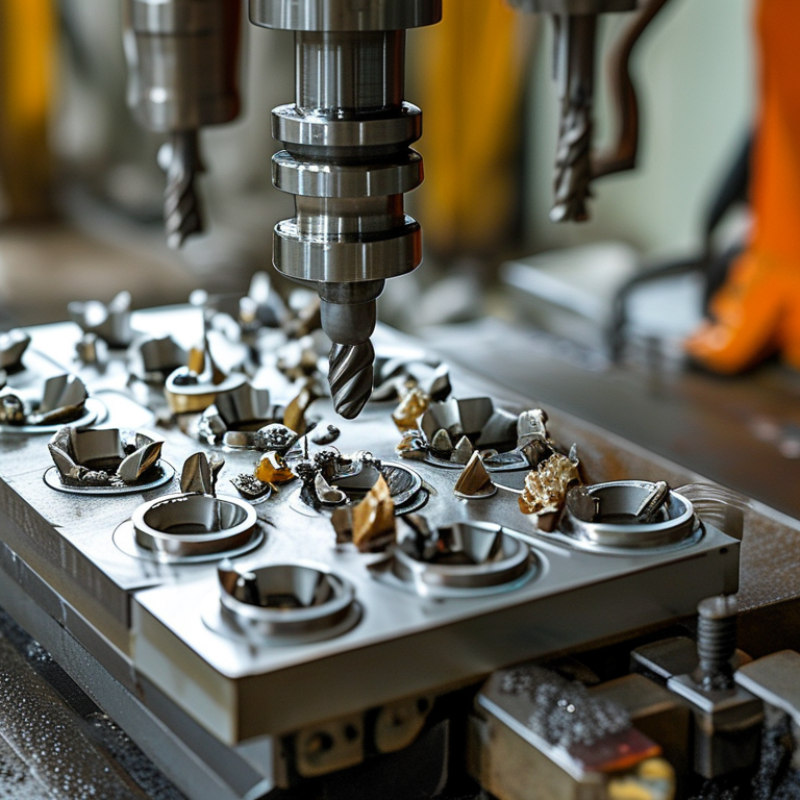
When choosing a punch press machine, understanding the available types is crucial. The two primary categories are mechanical and hydraulic punch presses. Mechanical models use a flywheel mechanism for quick operations. They are often favored for high-speed applications. However, they can struggle with thicker materials. Hydraulic punch presses, on the other hand, provide more force and control. They are ideal for creating intricate shapes but may be slower.
Another important classification is the size and capacity of the machine. Smaller bench-top models are great for limited space and lighter work. Yet, they may not handle heavy-duty tasks well. Larger industrial machines are suitable for bigger projects but often require a larger investment. It's essential to match the machine's capacity with your production needs. Some users focus too much on price over functionality. It's a common oversight that could lead to future inefficiencies.
Consider the features that matter most for your operations. Adjustable stroke lengths, programmable controls, and safety features enhance usability. However, with advanced technology comes complexity. Users may find themselves overwhelmed by features they never fully utilize. It's worth reflecting on what truly fits your operational needs. Balancing technology with practicality will help ensure the right choice.
Key Factors to Consider When Selecting a Punch Press Machine
When choosing a punch press machine, consider various factors that can influence performance and efficiency. First, evaluate your production needs. The machine’s capacity should match your expected workload. A mismatch could lead to inefficiencies. For example, a machine that is too small may slow down production, while an oversized one may waste resources.
Another critical aspect is the machine’s features. Look for programmable options and automation capabilities. These can enhance precision and reduce manual errors. However, with advanced features, you might face a learning curve. Training your team is vital for realizing the machine’s full potential.
Don’t overlook maintenance requirements. Machines that are challenging to maintain can lead to costly downtime. It's essential to choose a model with readily available parts and support. Always reflect on your choice, ensuring it aligns with your budget and long-term goals. Balancing costs and features is tricky but necessary for optimal decision-making.
Assessing Your Production Needs and Volume Requirements
When considering a punch press machine, assessing your production needs is vital. Start by evaluating what materials you will process. Will you work with metal or plastic? The type of material impacts the machine's specifications. Think about the thickness and size of the components you will produce. You need a machine that can handle these requirements efficiently.
Next, consider your volume requirements. How many pieces do you need to produce daily? A high production volume may necessitate a more robust machine. However, purchasing a high-capacity press can lead to underutilization if your needs are modest. This could result in unnecessary costs.
Reflect on your operational parameters as well. Do you require flexibility for different sizes? Machines with adjustable features might serve you better. Finally, factor in maintenance and support for the equipment. Reliable service is essential to avoid downtime. Investing time in these assessments will lead to a more informed decision.
Essential Tips for Choosing a Punch Press Machine for Your Needs
| Feature | Description | Volume Requirement | Key Considerations |
| Machine Type | Mechanical vs. Hydraulics | Low to High | Depends on Speed and Precision Needed |
| Tonnage | Weight Capacity of Machine | Varies Based on Material Thickness | Ensure it Matches Material Specifications |
| Speed | Cycles per Minute (CPM) | High Volume | Balance Speed with Quality |
| Die Type | Standard vs. Custom | Based on Product Complexity | Consider Cost of Custom Dies |
| Control Type | Manual vs. CNC | Small to Large Production Runs | CNC Offers More Flexibility |
Evaluating the Features and Specifications of Punch Press Machines
When selecting a punch press machine, evaluating its features is crucial. You must consider the machine's tonnage capacity, which affects the thickness of materials it can process. According to industry reports, the most commonly used capacity ranges from 30 to 200 tons for general applications. This range supports various operations, from simple punching to complex forming tasks.
Another important specification is stroke length. It defines the depth of the punch and impacts the machine's versatility. A longer stroke allows for deeper workpieces, while a shorter stroke enhances speed. Notably, studies show that machines with adjustable stroke settings can improve efficiency by 30% during varied tasks. Additionally, the machine's speed is a key factor. Most modern machines operate between 200 and 900 strokes per minute, impacting productivity and cycle times significantly.
Safety features must also be evaluated. Machines should have adequate guards and emergency stop mechanisms to protect operators. Research indicates that 15% of accidents in manufacturing occur due to insufficient safety measures. Understanding these specifications helps you assess whether a punch press can meet your operational demands efficiently. Every choice should align with your specific needs and safety requirements.
Budget Constraints: Finding the Right Punch Press for Your Financial Plan
When considering a punch press machine, budget constraints often play a crucial role. According to industry reports, the average cost of a punch press ranges from $20,000 to $100,000, depending on size and capability. Knowing where your financial limits lie can guide your selection process. Ensure you account for additional costs, such as installation, maintenance, and spare parts. Unexpected expenses can break your financial plan.
Budgeting effectively starts with understanding your needs. Consider the production volume required and the types of materials being processed. For example, high-speed punches may cost more initially but improve productivity in the long run. A study by the Fabricators and Manufacturers Association suggests that businesses should allocate about 15% of their total budget to equipment and machinery to account for quality and efficiency.
Tip: Always compare multiple suppliers. Quotes can vary significantly, and some providers may offer financing options. Explore the total cost of ownership, not just the purchase price. This perspective can save you money over time. Don’t hesitate to invest a bit more for a machine that enhances production efficiency.