Top 10 Beverage Can End Suppliers for Global Buyers
Choosing a Beverage Can End supplier involves more than comparing prices. The end must match the can body, filling line, product, and expected handling conditions. Small details matter: tab opening force, score consistency, coating coverage, and dimensions can affect production and consumer use. A sample that looks right on a desk may still behave differently on a fast-moving line.
This guide introduces ten suppliers for global buyers to investigate. It offers a starting point, not a universal ranking. Buyers should verify each company’s current product range, manufacturing capacity, quality controls, and experience with their target market. Ask for technical drawings, material specifications, test results, and sample ends. Check how the supplier manages traceability, production changes, and delivery schedules. Clear answers are useful. Vague promises are not.
A brochure is not proof. Supplier claims should be checked against documented evidence and, where practical, production trials. Compare like with like, including alloy or material options, coatings, opening features, order volumes, and support after delivery. Availability and lead times can shift, so confirm them directly before making commitments. Even a careful shortlist can miss a strong regional option. That is worth remembering. The best partner is not always the largest or cheapest; it is the one that reliably meets your specifications and communicates clearly when problems arise.
Understanding Beverage Can Ends and Their Role in Packaging
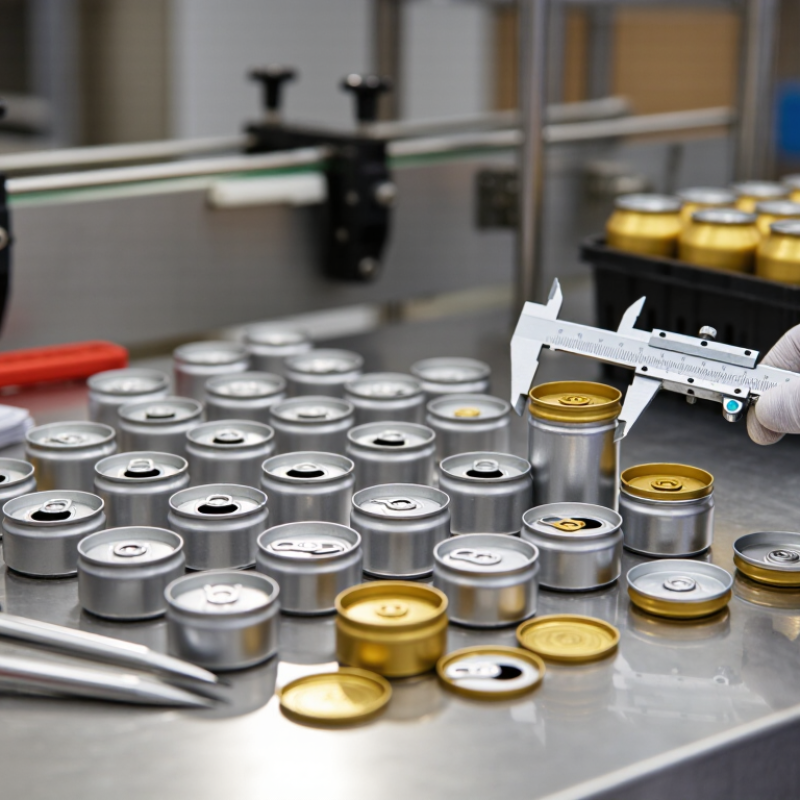
A beverage can end is the fitted closure on top of a can, but it does more than keep the drink inside. It helps protect flavor, limit oxygen exposure, and withstand pressure during filling, transport, and storage. The scored opening panel is designed to separate when a consumer lifts the tab, while the rivet keeps the tab attached. Small details matter. A poorly matched end can cause leakage, difficult opening, or production slowdowns.
For global buyers, compatibility is a practical starting point. End diameter, can specifications, filling conditions, and line speed all need to align. The metal thickness must balance strength with ease of opening. Internal coatings also matter, since they separate the beverage from the metal and should suit the product’s composition. Ask suppliers for dimensional checks, seam inspection methods, and traceable quality records. These details are more useful than a broad performance claim.
Opening force and sealing consistency deserve real-world testing. Samples can behave differently after filling, cooling, and transport, so test them under conditions close to your own process. Fit is not cosmetic. Still, specifications cannot predict every handling issue, and test results need careful interpretation. A useful supplier discussion covers tolerances, inspection frequency, change control, and how defects are investigated. The best choice is not always the lightest end; reliability across the full production run matters.
Key Criteria for Evaluating Global Can End Suppliers
Top 10 Beverage Can End Suppliers for Global Buyers
When evaluating global can end suppliers, look beyond quoted unit prices. Confirm that end dimensions, curl profile, and opening performance match your can body and filling line. Small variations can affect sealing or cause feeding problems. Ask for measured samples, not only catalog specifications.
Check coating compatibility with the beverage and the planned filling process. Request test data for seam integrity, coating coverage, and dimensional consistency across production batches. Useful evidence includes inspection records, sample evaluation results, and clear procedures for handling defects.
Ask how the supplier manages tooling changes and communicates production delays. A fast reply matters, but so does a precise one.
Supply reliability deserves close attention.
Review capacity, lead times, packaging protection, and options for maintaining inventory during demand changes. A nearby warehouse may help, though it cannot replace dependable production planning. Visit the facility when practical, or arrange a detailed remote audit.
I would not treat a polished sample as proof of consistent quality; one sample reveals little about a full run. That is easy to overlook.
Compare suppliers using the same test criteria, and record unresolved questions before committing. No checklist removes every risk, but a careful trial order can expose issues before routine deliveries begin.
Overview of the Top 10 Beverage Can End Suppliers
An overview of the top ten beverage can end suppliers is most useful as a buyer’s shortlist, not a universal ranking. Supplier suitability depends on can format, production volume, delivery region, and quality requirements. Some manufacturers offer broad production capacity and technical support. Others focus on regional service, specialized end designs, or shorter delivery routes. Buyers should compare these capabilities rather than rely on a single ranking.
Start with the details that affect line performance: end dimensions, opening features, material consistency, and compatibility with the can body. Ask how suppliers monitor defects and manage changes between production batches. Request samples and review technical documentation before approving a source. Clear answers matter. So does the ability to investigate a problem quickly. Delivery reliability deserves attention too; a low quoted price can lose value when lead times shift. No scorecard catches everything. Even experienced teams may overlook how a small specification difference affects filling or sealing. A careful review, supported by production trials where practical, gives buyers a stronger basis for choosing among the ten suppliers.
Supplier Profiles: Products, Capabilities, and Market Reach
A useful beverage can end supplier profile looks beyond a product catalogue. It explains available end diameters, tab styles, coatings, and compatibility with can bodies. Buyers should ask whether the supplier supports standard specifications or can discuss custom tooling. Manufacturing details matter: request information on inspection steps, production capacity, and how defects are traced. A clean sample is helpful, but repeatable quality over several production runs is more convincing.
Market reach affects delivery as much as price. Profiles should clarify production locations, export experience, shipping options, and access to technical support. A supplier serving multiple regions may offer flexible logistics, though distance can still add time and cost. Ask for realistic lead times and the process for handling damaged shipments or specification changes. No profile tells the whole story; verify key claims directly and compare written specifications. It takes effort.
Tips: Request samples with the relevant coating and tab configuration. Confirm dimensions, order quantities, and change-control procedures in writing. Ask how quality records are shared. A short call with the technical team can reveal gaps that polished brochures miss.
Comparing Suppliers for Sourcing, Quality, and Logistics
Comparing ten beverage can end suppliers starts with more than a price list. Buyers should check whether each supplier can meet the required end diameter, coating specification, and opening performance. Ask for recent inspection records and samples from normal production, not only polished display pieces. A low quote may hide tooling charges, minimum order quantities, or extra testing costs. Small differences matter. Confirm how changes to drawings or materials are approved, and who provides written notice. A simple comparison sheet helps keep sourcing decisions consistent, though it cannot replace a careful technical review.
Quality checks should cover dimensions, seam compatibility, coating coverage, and performance after transport. Request clear acceptance criteria before production begins. If possible, assess samples on the filling line; a sample that looks fine on a desk may behave differently at speed. Logistics deserve equal attention. Compare production lead times, shipment frequency, pallet configuration, and the supplier’s plan for delayed orders. Ask how stock is protected from moisture and handling damage. Get delivery dates in writing. No scorecard captures every surprise, and that limitation is worth admitting. A supplier with reliable communication and traceable quality records may be a safer fit than the cheapest option, but buyers should still verify claims against their own requirements.