Top 10 Laser Quenching Machine Suppliers Worldwide
A Laser Quenching Machine uses a focused beam to harden selected surface areas while leaving the core largely unchanged. In production, that can mean treating a narrow gear tooth, a shaft edge, or a mold surface without heating the entire part. The result depends on more than laser power. Material grade, component geometry, scan speed, beam shape, and heat flow all influence the hardened layer. Small process changes can matter.
This guide introduces ten suppliers serving different manufacturing needs, from compact systems to automated production lines. It is intended as a practical starting point, not a universal ranking or endorsement. Compare each supplier’s machine configuration, process development support, safety features, documentation, and service availability. Ask how trials are conducted on parts like yours, and request measurable results, such as case depth, hardness, and repeatability. Details matter.
A supplier’s brochure may show a clean machine enclosure and a bright beam path. Real evaluation should also consider setup time, operator training, maintenance access, and integration with existing equipment. These factors are easy to overlook. No shortlist is perfect. The best fit depends on your material, production volume, quality targets, and budget. Use the profiles that follow to frame questions, verify technical claims, and identify which suppliers deserve a closer review.
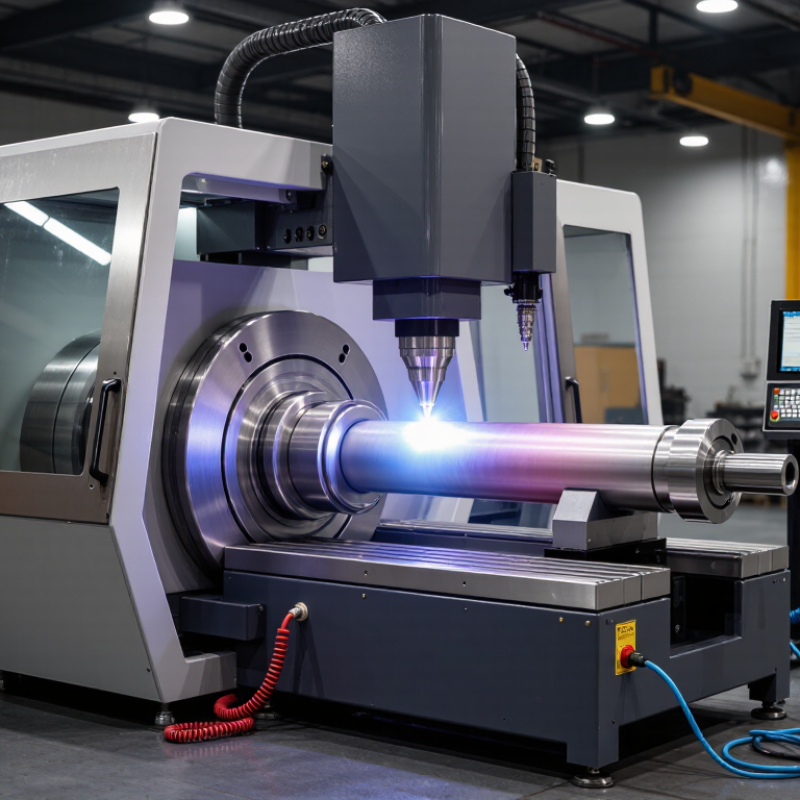
What Laser Quenching Machines Are and How They Work
A laser quenching machine uses a focused beam to heat selected areas of a metal part, such as a gear tooth or shaft. The surface reaches a temperature that changes its structure, while the cooler material beneath it draws heat away. This rapid, localized cooling can create a hard wear-resistant layer without heating the entire component. Small areas matter.
A machine typically combines a laser source, focusing optics, motion controls, and temperature monitoring. The part or beam moves along a programmed path, and sensors help maintain consistent heating. Many processes rely on heat flowing into the part for cooling; some setups add cooling assistance.
Results depend on the alloy, surface condition, beam settings, and travel speed. A steel grade with too little carbon, for example, may not achieve the intended hardness. Real parts also have corners, oil residue, and uneven surfaces, so a programmed path is not always a perfect one. Test runs and hardness checks help reveal those gaps.
Core Technologies and Configurations of Laser Quenching Systems
Laser quenching systems combine a laser source, beam-delivery optics, motion control, and temperature monitoring. A diode or fiber laser heats a narrow surface zone without melting it. Beam-shaping optics create a spot or rectangular profile suited to the part’s geometry. A pyrometer can track surface temperature, while CNC controls coordinate power, scan speed, and path. This feedback helps limit uneven hardening. It is not magic.
Configuration should follow the component. A fixed-head cell suits repeatable parts, while a moving head or rotary fixture can reach curved shafts and gear teeth. For long workpieces, synchronized motion helps maintain a consistent overlap between passes. Extraction and shielding protect the optical path from scale and fumes. Practical details matter: a small focus shift can change the hardened depth. Some recipes still depend on operator judgement, which is useful but not perfectly repeatable. Suppliers should explain how their system validates temperature, case depth, and process repeatability on the intended material. A high power rating alone says little about finished-part quality.
Top 10 Laser Quenching Machine Suppliers Worldwide — Core Technologies and Configurations
Representative wavelengths of laser source types commonly used for laser surface hardening. Values are typical examples, not supplier-specific specifications or rankings.
Diode, fiber, and Nd:YAG sources are commonly used for metal surface hardening; CO₂ sources operate at a much longer wavelength. Wavelength is only one configuration factor—power, beam shape, scanning speed, and workpiece material also affect process suitability.
Criteria for Comparing Global Laser Quenching Machine Suppliers
A useful comparison of laser quenching machine suppliers starts with the parts you plan to treat. Ask whether the system can handle your component’s material, geometry, and production volume. A supplier should explain how laser power, beam shape, scanning speed, and heat monitoring affect the hardened layer. Request sample results for parts similar to yours, including hardness readings and case-depth measurements. Numbers help. So do clear test conditions.
Look closely at process control and integration. Can the machine maintain repeatable energy delivery across curved surfaces and changing part sizes? Ask to see cycle data, operator controls, and the method used to detect process variation. Then check installation needs, training, maintenance intervals, and access to replacement components. Response time matters when a line stops. A polished demonstration is useful, but it cannot replace a production trial. Some supplier claims may sound precise while leaving out the test setup; press for those details. Compare total operating needs, not just purchase price, and consider whether the supplier can support future changes in your part mix. No scorecard is perfect. A small trial may reveal issues that a long specification sheet misses.
Top 10 Laser Quenching Machine Suppliers Worldwide
Choosing among the top 10 laser quenching machine suppliers worldwide takes more than comparing machine prices. Match each supplier’s equipment to your part geometry, steel grade, and production rate. Ask for process data from a sample similar to your own component. A small shaft and a broad gear tooth need different beam control and cooling strategies. Small details matter.
Compare suppliers on measurable support: documented hardness results, case-depth consistency, repeatability, safety features, and service response in your region. Request a sample trial and record the settings, cycle time, and inspection method. Ask how the system handles changing part positions or reflective surfaces. A polished demonstration is useful, but it may not reflect routine production. Even then, supplier comparisons are imperfect when test conditions differ.
Tips: Ask for a written acceptance plan before purchase. Confirm operator training, spare-part availability, and response times across time zones. Ask for evidence. Check whether the supplier can explain deviations, not just show a successful result. Test real parts. If the data is thin, pause and request another trial.
Industries and Applications Served by Leading Suppliers
Laser quenching suppliers support automotive, aerospace, machinery, and toolmaking operations where surfaces face repeated friction. In automotive plants, the process can harden gear teeth, shafts, and steering components while keeping much of the core tough. That balance matters. A brittle part can fail even when its surface looks excellent.
Aerospace and heavy-equipment manufacturers use localized treatment on selected edges, bearings, and hydraulic components. Toolmakers may apply it to dies or cutting tools exposed to repeated contact. Suppliers often configure systems around part geometry, production speed, and available floor space. A compact scanning head may suit a narrow track, while larger components need controlled motion and stable fixturing. Small details count.
Experienced suppliers can help assess power, beam shape, cooling, and inspection methods before a production line is designed. Trial runs on representative parts are useful; polished samples alone can hide uneven hardening. Results should be checked for hardness depth, distortion, and repeatability. Still, not every alloy or shape responds predictably, and process windows can be narrower than expected. That deserves honest testing.