What Are the Top Mini Vape Types for 2026?
Mini Vapes are entering 2026 with smaller bodies, refined pod systems, and stronger demands for safety transparency. Their appeal is practical: a device can fit beside a key case, charge through USB-C, and offer simple, low-maintenance use for adult consumers.
Grand View Research valued the global e-cigarette and vape market at approximately US$28.17 billion in 2023. It projects a strong growth rate through 2030. However, that report does not separate every mini format clearly. This matters. Compact pod devices, closed-system disposables, and refillable mini kits are not identical products. Their battery capacity, vapor delivery, ingredient disclosure, and waste profiles can differ sharply. The leading options for 2026 should therefore be judged beyond appearance. Reliability matters more than novelty.
Dr. Konstantinos Farsalinos, a physician and tobacco-harm-reduction researcher, has stated, “Electronic cigarettes are by far less harmful than smoking.” That comparison still requires caution. Vaping is not risk-free, and non-smokers should not begin using nicotine products. The U.S. Centers for Disease Control and Prevention also warns that e-cigarettes can expose users to nicotine and other potentially harmful substances. Our review will examine Mini Vapes through an evidence-led lens. It will compare pod design, battery performance, leakage control, charging convenience, ingredient clarity, and regulatory status. Some marketing claims remain too confident. Real-world performance can also vary between batches. The best choice may be less exciting, but more transparent, consistent, and responsibly designed.
Mini Vape Basics: Definition, Design, and Core Components
What Are the Top Mini Vape Types for 2026?
Mini Vape Basics: Definition, Design, and Core Components
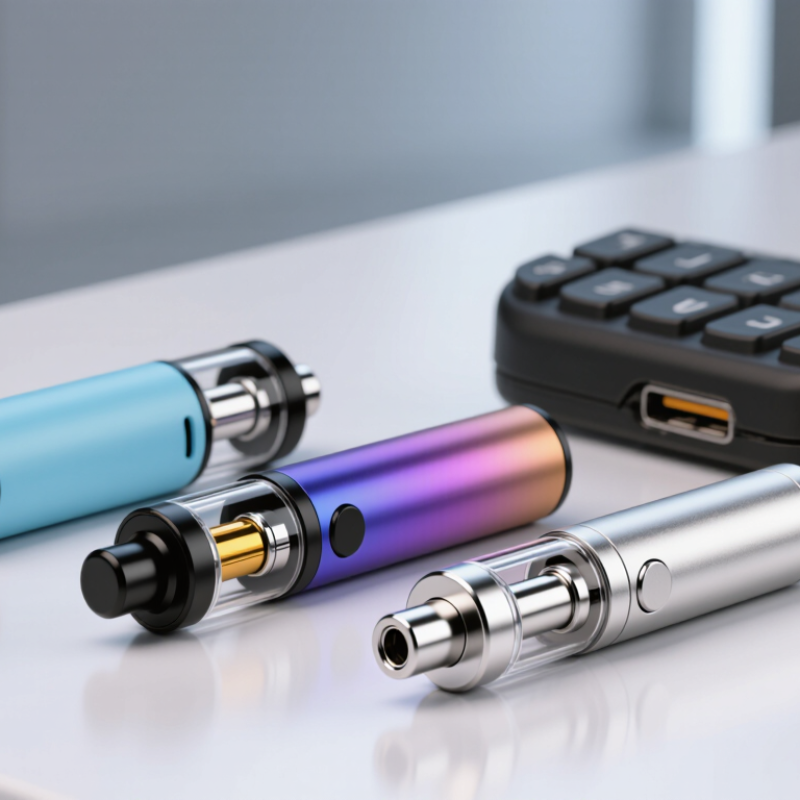
A mini vape is a compact electronic vapor device designed for discreet, short sessions. There is no universal technical definition. Most models use a small battery, mouthpiece, heating coil, airflow channel, and liquid reservoir. Common formats include pod-style devices, compact refillable units, and sealed disposables. Legal-age consumers should check local rules before purchase or use.
Pod-style devices usually offer a replaceable cartridge and rechargeable battery. Refillable designs create less packaging waste but require careful cleaning and compatible liquid. Sealed devices are simpler, though their batteries and reservoirs cannot be serviced. The small frame limits capacity, power output, and heat control. That trade-off is important. A smaller body does not automatically mean safer performance.
The World Health Organization identifies battery quality, liquid labeling, and manufacturing controls as important product concerns. The CDC’s 2023 National Youth Tobacco Survey reported that 2.13 million U.S. middle and high school students currently used e-cigarettes, with disposable products remaining the most common format. That figure reinforces the need for strict age controls and responsible retail practices. Grand View Research’s 2024 analysis also valued the global e-cigarette market in the tens of billions of dollars, showing strong demand for compact designs. Yet market size can hide uneven quality. Consumers should inspect charging protection, ingredient information, leak resistance, and clear disposal guidance. Some product labels still feel incomplete. That deserves more scrutiny.
How Mini Vapes Work: Heating Systems, E-Liquids, and Vapor Delivery
Mini vapes in 2026 usually rely on three compact heating systems: traditional coils, mesh coils, and ceramic elements. Traditional coils are simple and familiar. Mesh coils heat more evenly across a wider surface. Ceramic systems may produce a smoother draw, although performance varies between devices.
The heating element warms e-liquid inside a small pod or cartridge. E-liquid commonly contains propylene glycol, vegetable glycerin, flavorings, and nicotine where legally permitted. Propylene glycol can create a sharper throat sensation. Vegetable glycerin usually produces denser vapor. Ratios matter, but labels do not always explain them clearly. That is worth questioning.
Vapor delivery depends on airflow, activation, and mouthpiece design. Draw-activated models start when the user inhales, while button-operated models offer more control. Tight airflow often suits a mouth-to-lung draw. Open airflow feels looser and may create more vapor. In practical comparisons, a smaller device can feel surprisingly consistent during short sessions. Battery size still limits heating time. A compact battery may charge quickly but lose power sooner. Look for clear ingredient information, secure pod fittings, and basic temperature protection. Avoid damaged casings, leaking cartridges, or unverified liquids. Read the instructions carefully. Use only products permitted in your location.
Comparing Battery Life, Portability, Ease of Use, and Maintenance
What Are the Top Mini Vape Types for 2026?
For adult users choosing lawful, regulated products, compact pod systems remain practical in 2026. Their small bodies fit easily beside keys or a transit card. Integrated-pod models usually offer simpler operation because the coil and liquid chamber arrive together. Refillable pod systems may reduce waste, but they require more attention. Battery life varies widely. A 500–800 mAh battery may last a light user through a day, while frequent use can drain it by afternoon. Coil resistance, inhalation length, and power output matter more than capacity alone.
Battery numbers can mislead.
Portability also creates compromises. Smaller devices often have weaker airflow, smaller liquid capacity, and fewer controls. That can suit beginners who prefer draw activation and no screen. More experienced users may prefer adjustable airflow, although tiny buttons can feel awkward outdoors. USB-C charging is convenient, but charging habits still matter. Use the supplied cable, keep the device dry, and avoid charging on soft surfaces. Local safety guidance should take priority.
Maintenance is easiest with sealed pods, yet they can become costly over time. Refillable models need regular contact cleaning with a dry cotton swab. Replace a pod when flavor turns burnt, vapor drops, or leakage persists. I would not treat any ranking as permanent; battery performance changes with age and temperature. Independent tests should compare charging time, puff consistency, leakage, and real-world battery endurance instead of relying only on manufacturer claims. My own preference remains provisional, especially when a compact device sacrifices durability for a thinner profile.
What Are the Top Mini Vape Types for 2026?
A comparison of common compact vape categories by battery life, portability, ease of use, and maintenance.
Scores use a 1–5 scale, where 5 is the strongest result. Ratings reflect typical category characteristics: compact pod devices generally offer convenient charging and portability, while refillable and all-in-one devices usually require more cleaning and coil or pod replacement. Actual battery runtime varies with battery capacity, power setting, liquid viscosity, and usage frequency.