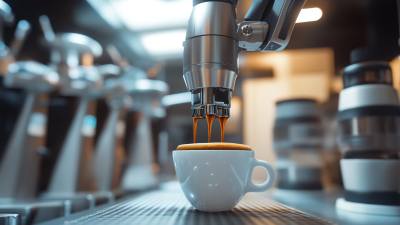

7 Best Office Coffee Machines for Businesses
A reliable coffee setup can make the workday feel smoother, especially during busy mornings and short breaks. For employees, a fresh cup nearby can be more convenient than leaving the office to find one. An Office Coffee Machine should match the team’s daily habits, available space, and preferred drinks. But no single model suits every workplace. A compact brewer may fit a small studio, while a larger team may need faster service and a bigger water reservoir. These practical details matter. They add up.
This guide explores seven coffee machines for different business needs, from straightforward drip brewing to options with espresso-style drinks. It considers brewing capacity, ease of use, cleaning, drink variety, and the ongoing effort required to keep each machine ready. A feature list alone can be misleading; staff may value simple controls more than a long menu of drinks. Likewise, a machine that looks impressive can become frustrating if refilling or cleaning takes too much time. The recommendations offer a useful starting point, not a universal verdict. Think about how many cups your team makes on a typical day, and be honest about who will maintain the machine. That part is easy to overlook.
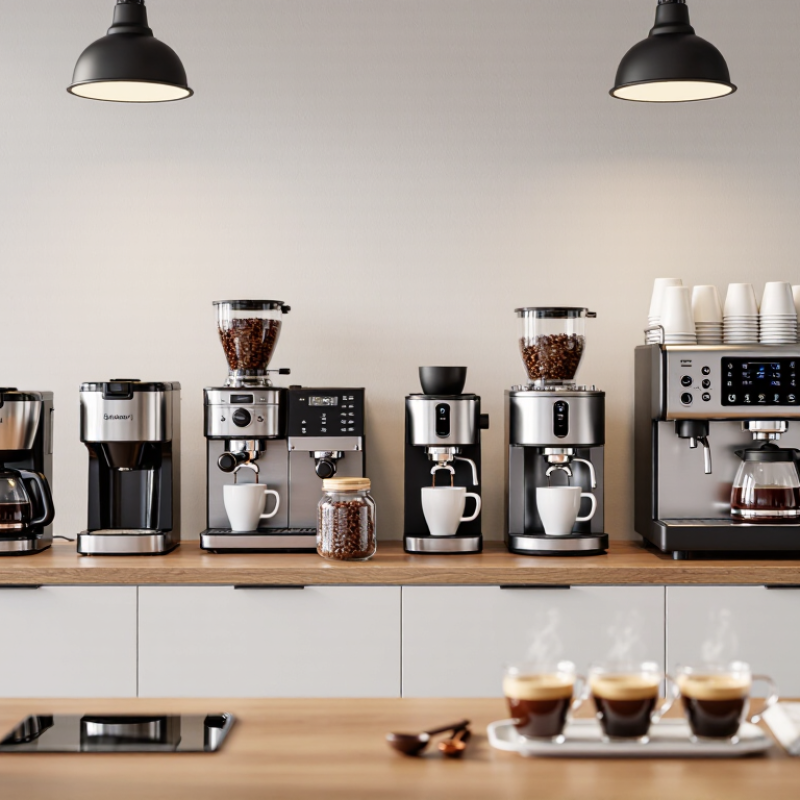
How Businesses Assess Their Office Coffee Needs
A useful office coffee assessment begins with observation, not a machine shortlist. Track how many people use the kitchen and when demand peaks. A team of 25 may need more capacity at 9 a.m. than its daily total suggests. Count cups during busy periods for several workdays, including Monday. Ask staff what they actually drink: black coffee, milk-based drinks, tea, or decaf. Preferences vary. Guessing can leave an expensive machine underused.
Next, check the practical constraints. Measure counter space, note nearby outlets and water access, and consider who will refill supplies and clean the machine. A compact unit may suit a small team, while higher-volume workplaces may need faster brewing and less frequent refills. Compare the full running cost, including coffee, filters, cleaning products, and maintenance—not just the purchase price. Ask suppliers about service response times and parts availability. That detail matters when a machine fails before a busy meeting. We may still misjudge demand; staff habits change, and hybrid schedules make headcounts unreliable. A short trial or a simple monthly usage check can expose that mismatch. Keep the first estimate flexible.
Key Features to Compare in Office Coffee Machines
When comparing office coffee machines, start with the number of people who use them during the busiest hour, not just the total staff count. A machine that brews one cup at a time may suit a small team, but it can create a queue before a morning meeting. Check brewing speed and drink capacity, then consider whether employees prefer drip coffee, espresso-style drinks, or both. More options can be useful. They can also mean more settings to maintain.
Cleaning requirements deserve close attention. Look for removable parts, clear cleaning instructions, and accessible areas where coffee grounds or milk residue might collect. Ask how often routine cleaning is needed and whether the machine signals when supplies run low. Small details count. A model that is simple to maintain may be more practical than one with features nobody uses.
Compare water needs, counter space, noise, and ongoing supply costs alongside the purchase price. A large reservoir can reduce refills, but it may take up valuable workspace. Check whether the machine fits near a sink and has enough clearance for refilling and cleaning. It is easy to overvalue sleek controls during a product demonstration; daily use is less glamorous. Staff preferences also vary, so a short trial can reveal problems a specification sheet will not.
Seven Office Coffee Machines for Different Business Settings
Office coffee machines should match the pace and habits of each workplace, not just its headcount. The National Coffee Association’s 2024 National Coffee Data Trends report found that 67% of U.S. adults drank coffee the previous day. That signals broad demand, but it does not tell us how many cups a particular office needs. Small teams differ.
A compact single-cup brewer suits occasional drinkers who want quick choices and little waste.
A drip machine works for shared kitchens with predictable morning rushes.
Thermal batch brewers keep coffee hot without a warming plate, while bean-to-cup machines grind and brew for offices seeking fresh cups with less manual work.
Espresso machines suit teams that value milk drinks and can manage cleaning.
High-volume plumbed brewers fit busy reception areas or large staff rooms.
A pour-over setup offers control for small teams, though it needs time and attention.
The same NCA report says 45% of U.S. adults drank specialty coffee the previous day, suggesting interest in more varied drinks. Still, preference is not a purchasing forecast. Track daily cup counts, queue length, refill frequency, and who cleans the machine before choosing. A machine that looks impressive can become a neglected counter fixture. I would reassess after a month; early estimates are often wrong.
Comparing Costs, Capacity, and Maintenance Requirements
A useful office coffee-machine comparison starts with cups per day, not the number of employees. The National Coffee Association’s 2024 National Coffee Data Trends report found that 67% of U.S. adults drank coffee the previous day. That figure is a demand signal, not an office forecast; track actual usage for two weeks, including busy mornings. Peak demand matters. A small team may manage with a batch brewer, while a larger office may need faster recovery between pots. Check whether the stated capacity means cups per hour or one full batch.
Compare the full cost over three years: equipment, installation, coffee, filters, cups, and cleaning labor. A low purchase price can hide recurring costs. Small details add up. Ask suppliers for filter-change intervals, descaling steps, and the labor needed for daily cleaning. The Specialty Coffee Association’s water-quality guidance highlights the role of water in brewing; local hardness can affect scale buildup and service needs. Confirm maintenance intervals against the machine’s manual and your water conditions. For each option, record expected cups per day, peak-hour output, annual supply costs, and scheduled service. Estimates will be imperfect. That is a reason to review them after a month, not to skip them.
7 Best Office Coffee Machines for Businesses - Comparing Costs, Capacity, and Maintenance Requirements
| Machine Type | Typical Purchase Cost (USD) | Practical Daily Capacity | Best For | Routine Maintenance | Overall Maintenance Effort |
|---|---|---|---|---|---|
| Single-Serve Pod Brewer | $100–$600 | About 10–40 cups | Small teams, shared kitchens, and offices where people prefer different drinks | Refill the water reservoir; empty the used-pod bin and drip tray; clean regularly; descale as directed. | Low |
| Compact Bean-to-Cup Machine | $1,500–$4,000 | About 30–80 cups | Small to midsize offices wanting freshly ground coffee with minimal barista training | Empty the grounds container and drip tray; rinse milk-system parts after use; clean the brew group and descale on schedule. | Medium |
| Commercial Bean-to-Cup Machine | $4,000–$12,000 | About 80–200 cups | Busy offices that need espresso-style drinks and a broad menu from a self-service station | Daily cleaning of the grounds container, drip tray, and milk circuit; regular brew-system cleaning, filter changes, and descaling. | Medium to high |
| Drip Brewer with Thermal Servers | $500–$2,000 | About 40–150 cups | Teams that mainly drink regular brewed coffee and value simple serving without a warming plate | Wash servers and brew baskets daily; wipe the brewer; descale periodically; replace water filters as needed. | Low to medium |
| High-Volume Batch Brewer | $1,500–$5,000 | About 150–400 cups | Large workplaces, cafeterias, or meeting areas with concentrated coffee-service peaks | Clean brew baskets and dispensers daily; flush and descale the system; monitor water filtration and inspect spray heads. | Medium |
| Two-Group Commercial Espresso Machine | $5,000–$15,000 for the machine; grinder and installation may be extra | About 50–150 espresso drinks | Hospitality-focused offices with trained staff and demand for made-to-order espresso beverages | Backflush the group heads, clean portafilters and steam wands daily, and arrange periodic servicing and water-system checks. | High |
| Instant Coffee Dispenser | $1,000–$5,000 | About 50–200 cups | Workplaces prioritizing fast service, simple operation, and minimal preparation steps | Refill ingredient canisters; clean dispensing outlets and drip trays; sanitize beverage-contact parts and descale where applicable. | Low to medium |
Cost and capacity figures are approximate planning ranges for typical equipment in the U.S. market. Actual prices and output vary by configuration, water supply, drink size, and usage patterns; coffee, filters, installation, and service contracts may add to the total cost.
Planning Installation, Supplies, and Ongoing Care
Choosing among the 7 best office coffee machines starts with a site check, not a catalog. Measure counter depth, refill clearance, outlet access, and the route to a water line. The National Coffee Association’s 2024 National Coffee Data Trends report found that 67% of U.S. adults had coffee the previous day. That figure offers context, not an office forecast. Count actual drinkers and peak-hour cups before selecting capacity. Plan for downtime.
Before installation, confirm electrical requirements with facilities staff and check who handles plumbing, delivery, and setup. Store beans, filters, cups, and cleaning supplies in labeled, dated bins. Set reorder points from weekly usage, with a small reserve for busy weeks. NAMA’s 2023 State of the Industry report valued U.S. convenience services at $26.6 billion. The figure covers more than office coffee, so use local consumption—not the industry total—to plan stock.
Assign a staff owner to check supplies, clean accessible surfaces, and record service issues. Follow the machine’s manual for cleaning and filter-change schedules; requirements vary by model and water quality. Log leaks, unusual brewing times, and service calls. A tidy plan can still miss an awkward cable or a crowded refill area, so review the setup after the first few weeks.
Related Posts
-
Trends Shaping the Future of Coffee Robot Machines in Global Markets 2025
-
Ultimate Guide to Choosing the Best Coffee Machine for Your Home
-
How to Find China Best Coffee Machine Suppliers?
-
What Is a Coffee Robot Machine and How Does It Work?
-
2026 Top Barista Coffee Machines for Global Buyers?
-
Who Are the Top 10 Coffee Machine Manufacturers in China?