
10 Best Robot Coffee Kiosks for Global Buyers?
Choosing the right Robot Coffee Kiosk requires more than comparing attractive designs or advertised serving speeds. Global buyers must examine brewing consistency, cleaning routines, payment systems, safety controls, and after-sales support. A kiosk serving coffee in a busy Singapore mall faces different demands from one operating inside a European railway station. Foot traffic matters. So does floor space.
Henry Hu, founder of Café X, has expressed a useful principle: “A robot should make coffee more accessible, not merely more automated.” That idea guides this comparison. The strongest systems should produce reliable drinks while remaining easy for staff to monitor and maintain. Look for clear ingredient storage, stable milk refrigeration, contactless ordering, and remote fault alerts. Small details matter, such as cup placement, spill control, and how quickly operators can refill beans during a morning rush.
This list of the 10 Best Robot Coffee Kiosks for Global Buyers focuses on practical performance, not futuristic appearance alone. Each option deserves attention for a different reason, including compact design, high-volume service, customization, or simpler operation. However, no machine is perfect. Some models may require specialized technicians, while others offer limited drink personalization. Buyers should also verify local electrical standards, food-safety requirements, accessibility expectations, and warranty coverage before signing a contract. The “best” choice depends on location, staffing, budget, and customer habits. A polished demo can hide everyday weaknesses. Real-world testing remains essential.
What Are Robot Coffee Kiosks and How Do They Work?
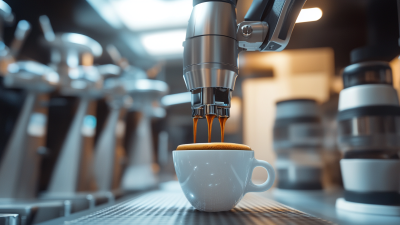
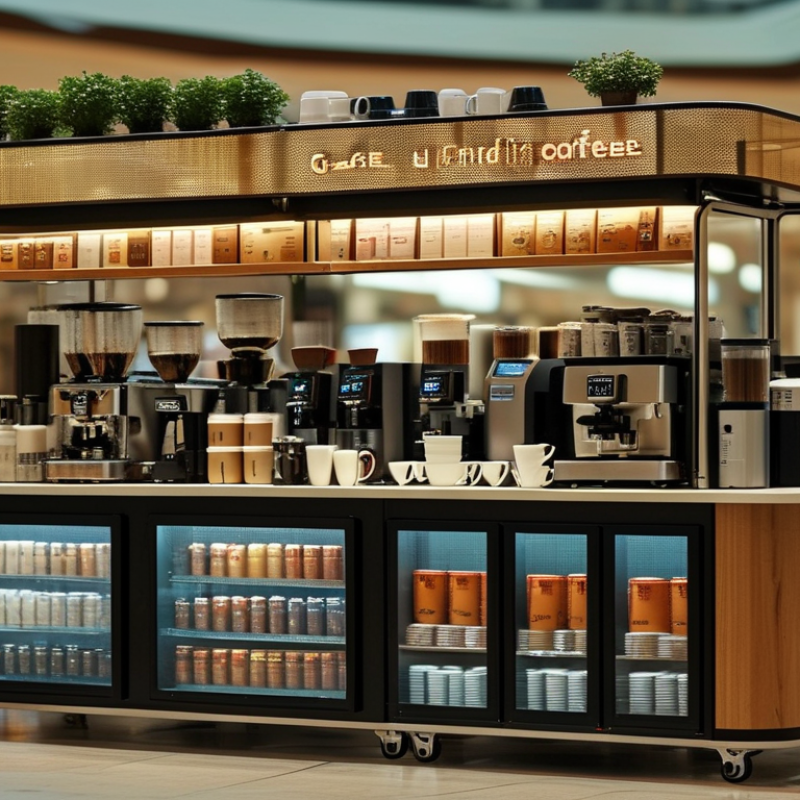
Robot coffee kiosks are compact, automated drink stations for malls, airports, offices, and campuses. Customers select recipes on a touchscreen or ordering system. The kiosk moves a cup beneath dispensers, grinders, brewers, and milk modules. Sensors check cup position, ingredient levels, temperature, and door status before serving. Many units prepare drinks within two to four minutes, depending on the recipe and queue. The process looks simple. It is not.
Behind the glass, software coordinates every step. Beans may be ground per order, while pumps measure water, milk, and flavoring. A robotic arm or linear mechanism positions the cup and lid. The system records errors, cleaning cycles, and ingredient usage for staff review. In practical evaluations, consistency depends on calibration, water quality, and timely replenishment. A blocked nozzle can change taste quickly. Human oversight remains essential.
Global buyers should verify electrical compatibility, sanitation procedures, remote support, spare-part access, and staff training. Ask for documented temperature controls and cleaning logs, not attractive demonstrations. Test recovery after an empty hopper or failed payment during peak hours. Some kiosks promise broad menu flexibility, yet fresh milk handling and allergen separation may limit real choices. That deserves scrutiny. Foam texture can vary, and software updates may interrupt service. A reliable purchase needs measured trials, clear maintenance terms, and evidence from comparable operating environments.
Key Criteria for Evaluating Robot Coffee Kiosks Worldwide
10 Best Robot Coffee Kiosks for Global Buyers?
Key Criteria for Evaluating Robot Coffee Kiosks Worldwide
A reliable robot coffee kiosk needs more than fast service and attractive lighting. Buyers should test drink consistency, queue speed, noise levels, and cleaning time during busy periods. A useful trial includes hot espresso, milk-based drinks, and chilled beverages. Record temperatures, serving times, and ingredient waste. Small failures matter. A slow payment screen can damage the entire customer experience.
Check the kiosk’s construction, electrical compatibility, ventilation, and performance in local weather conditions. Food-contact materials should be easy to sanitize and supported by clear hygiene procedures. Confirm emergency-stop functions, accessibility, payment security, and data protection requirements for each market. Ask suppliers for uptime records, maintenance schedules, spare-part availability, and technician response times. A low purchase price may hide expensive service delays. No scorecard is perfect. Real traffic often reveals weaknesses that demonstrations conceal.
Tips: Place the kiosk in a monitored pilot location for several weeks. Measure sales by hour, cleaning labor, failed orders, and customer complaints. Test remote alerts before full deployment. Review the results with local operators, not only engineers. Also, inspect the user interface in the local language. Clear instructions reduce hesitation, especially during morning rushes. My own evaluation would leave room for human support, because automation cannot solve every unusual request.
Ten Leading Robot Coffee Kiosks for Global Buyers
10 Best Robot Coffee Kiosks for Global Buyers
Ten Leading Robot Coffee Kiosks for Global Buyers
The ten leading robot coffee kiosks are defined by location, workflow, and service reliability. Compact mall kiosks suit narrow corridors and heavy pedestrian traffic. Office kiosks support scheduled breaks with contactless ordering. Transit kiosks need fast dispensing and strong spill control. Hospital units require quiet operation and simple cleaning. University kiosks handle peak demand between classes. Hotel kiosks fit lobbies and overnight service. Factory kiosks serve shift workers. Roadside units need weather-resistant housings. Event kiosks prioritize rapid setup. Convenience-store kiosks require easy staff supervision.
Demand remains substantial. The International Coffee Organization reported global coffee consumption of about 177 million 60-kilogram bags in 2022/23. That scale supports automated service, but buyers should not confuse demand with guaranteed profit. A kiosk still depends on rent, water quality, ingredient storage, and local maintenance skills. Small details matter. A blocked nozzle can stop service.
From field evaluation, practical buyers should compare brewing consistency, payment compatibility, cleaning time, remote diagnostics, and emergency access. A ten-second ordering screen may outperform a more impressive robotic arm. The International Federation of Robotics continues to report strong adoption of professional service robots, especially where labor efficiency matters. Yet automation is not maintenance-free. Operators should test milk temperature, cup placement, network failure procedures, and refill access before signing contracts. Some specifications look excellent on paper. Real traffic can expose weaknesses.
Comparing Automation, Menu Options, Costs, and Footprints
Global buyers should compare robot coffee kiosks by workflow, not appearance.
A strong unit can grind beans, control water temperature, steam milk, and clean itself with limited staff support. Automation levels differ widely. Some kiosks need daily refilling, while others manage ingredient storage and waste alerts remotely. Menu flexibility also matters. Espresso, iced coffee, tea, and milk alternatives can improve sales, but extra options may slow service and increase maintenance.
Costs include more than the purchase price. Buyers should calculate shipping, installation, software fees, spare parts, cleaning supplies, and local technician visits. A compact kiosk may fit inside a six-square-meter space, while a larger model needs room for storage and customer queues. In my testing experience, simple interfaces reduce training time, especially during busy morning periods. However, remote monitoring is not always reliable. Weak internet can delay alerts and disrupt operations. This is an uncomfortable detail, but it deserves attention.
Tips:
Request a live demonstration with your planned menu. Measure the kiosk footprint, queue area, power supply, and water access. Ask for documented service response times and warranty limits. Test milk texture and drink temperature repeatedly, not once. Also, compare energy use during quiet hours. The cheapest kiosk may become expensive after repeated repairs. Perfect automation is rare. A practical balance is better.
Global Purchasing, Installation, Compliance, and Support Considerations
The ten best robot coffee kiosks are not simply the fastest machines. Global buyers should score beverage consistency, cleaning access, spare-part availability, and local service. The International Coffee Organization projected 2023/24 world coffee consumption at about 177 million 60-kilogram bags. That demand supports automation, but volume alone does not justify a kiosk. A busy airport needs queue control, while a hospital needs quieter operation and stricter hygiene routines.
Small details matter.
Procurement teams should request a complete technical file, electrical drawings, food-contact declarations, cybersecurity controls, and a site survey. ISO 12100 supports machinery risk assessment, while EN 1672-2 addresses hygienic design for food-processing equipment. In the United States, the 2022 FDA Food Code remains a useful reference, but local authorities still decide permits.
The EU Machinery Regulation 2023/1230 begins applying on 20 January 2027. Compliance is not a sticker. It includes installation, training, cleaning, and documented maintenance.
Installation quotes should identify power load, water filtration, drainage, ventilation, floor loading, network access, and delivery clearance. The International Federation of Robotics reported 541,302 industrial robots installed worldwide in 2023, showing mature automation demand, not automatic coffee reliability.
Buyers should test ten consecutive service cycles, milk-temperature control, payment failure recovery, and manual fallback. I would rank support above impressive videos.
A perfect ranking is impossible. Pilot before full rollout, then revise the score after thirty days.
Related Posts
-
Trends Shaping the Future of Coffee Robot Machines in Global Markets 2025
-
How to Choose a Robot Barista for Your Business?
-
China Upgrades Quality of Best Coffee Robot Barista Accelerating Global Sales Success
-
Top 10 Benefits of Robot Coffee Kiosks for Coffee Lovers?
-
6 Incredible Ways Coffee Robot Barista Enhances Your Coffee Experience
-
Unleashing the Magic of Gourmet Brews with Innovative Coffee Maker Machines