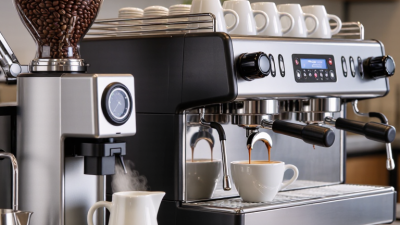

Why Choose a Robot Espresso Maker for Your Business?
Coffee remains a powerful commercial category, but customer expectations are becoming more demanding. The National Coffee Association’s Spring 2024 National Coffee Data Trends report found that 67% of American adults drank coffee the previous day. Many purchases now happen outside the home. Customers expect speed, consistency, and a café-quality experience, even during busy periods.
The opportunity is real.
A Robot Espresso Maker can automate grinding, dosing, brewing, milk preparation, and basic cleaning routines. This may help businesses reduce drink variation during morning rushes. It can also support cafés, hotels, offices, transport hubs, and convenience stores with limited barista coverage. The USDA Foreign Agricultural Service projected global coffee consumption at approximately 170.6 million 60-kilogram bags for 2024/25. That demand creates pressure for reliable service, not merely attractive equipment. A well-designed machine can produce a repeatable espresso while recording useful operating data, such as beverage volume, peak hours, and maintenance alerts.
However, automation is not magic. It does not replace thoughtful menu design, quality beans, or trained staff. The International Coffee Organization continues to highlight supply, cost, and sustainability challenges across the coffee sector. Businesses should therefore test the machine beside real customer traffic, not only in a showroom. Measure waiting time, waste, cleaning effort, energy use, and customer satisfaction. Some results may disappoint. That is useful. A Robot Espresso Maker becomes valuable when its technology matches the location, service model, and human experience around the cup.
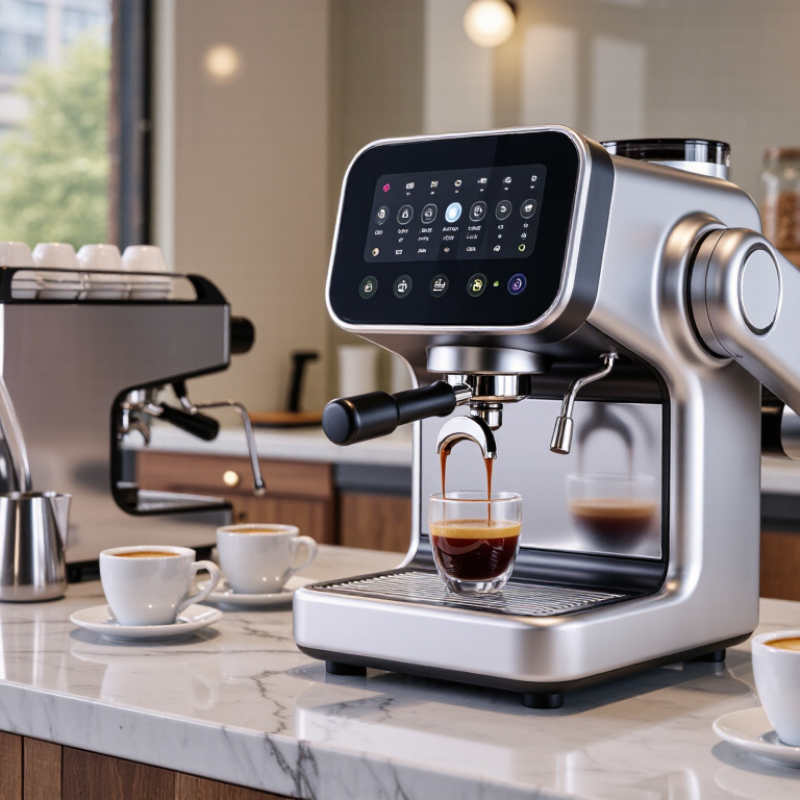
What Is a Robot Espresso Maker?
A robot espresso maker is an automated coffee station designed to repeat key preparation steps. It may grind beans, dose coffee, tamp the puck, lock the portafilter, brew, steam milk, and rinse its working parts. Some systems use robotic arms. Others hide automation inside a compact countertop unit. Sensors and software help control timing, temperature, and beverage size. The practical definition is simple: coffee preparation becomes a programmed workflow.
Demand makes this relevant. The International Coffee Organization recorded global coffee consumption at 177.0 million 60-kilogram bags in 2022/23. That figure does not prove automation will succeed, but it shows the scale of daily coffee preparation. The National Coffee Association’s 2024 report found that 67% of American adults drank coffee the previous day. Consistency and speed can therefore matter in offices, hotels, cafés, and busy service counters.
In real operations, staff still calibrate grind size and check extraction quality. Milk texture, water filtration, cup placement, and cleaning remain important human responsibilities. A robot cannot rescue stale beans or poor maintenance. Operators should test shot time, beverage temperature, waste, and queue length before expanding use. Early trials may reveal awkward failures. A cup placed two centimeters off-center could interrupt the entire cycle. That weakness matters. The machine may save labor, yet add technical complexity. Good training and regular inspection remain essential.
How Does a Robot Espresso Maker Work?
Why Choose a Robot Espresso Maker for Your Business?
How Does a Robot Espresso Maker Work?
A robot espresso maker combines grinding, dosing, tamping, brewing, and rinsing in one controlled workflow. Whole beans enter an internal grinder, where adjustable burrs create a consistent coffee dose. The machine then drops the grounds into a brew chamber and compresses them with measured pressure. This small detail matters. Uneven tamping can cause weak or bitter shots.
During extraction, a pump pushes heated water through the coffee puck. Sensors monitor water temperature, pressure, and brewing time. Some systems adjust these settings when they detect changes in dose or resistance. The result is more repeatable than manual preparation during a busy service, especially when different employees operate the machine. Staff still need to check the grind, refill ingredients, and follow cleaning procedures.
The process is practical, not magical. A robot can repeat poor settings very efficiently. I have found that a slightly stale bean or blocked outlet can affect flavor quickly. Regular rinsing, waste-tray checks, and scheduled deep cleaning protect drink quality and machine reliability. Operators should also record extraction times and customer feedback. Automation saves hand movements, but it does not replace judgment. Noise, maintenance costs, and limited recipe flexibility may become concerns in a small café.
Why Choose a Robot Espresso Maker for Your Business? – How Does a Robot Espresso Maker Work?
| Business and Technical Dimension | Typical Data or Operating Range | Business Value | How the Robot Espresso Maker Works |
|---|---|---|---|
| Core Function | Automated preparation of espresso-based drinks from whole coffee beans | Creates a repeatable workflow for offices, hotels, convenience locations, cafeterias, and other self-service areas. | The system coordinates grinding, dosing, tamping, brewing, dispensing, and waste collection through programmed control software. |
| Grinding | On-demand grinding immediately before brewing | Freshly ground coffee can reduce the time that ground coffee is exposed to air before extraction. | A burr grinder converts whole beans into grounds. The selected grind size and dose are adjusted according to the programmed recipe. |
| Coffee Dose | Approximately 7–10 g for a single espresso or 14–20 g for a double espresso | A programmable dose helps control recipe consistency and ingredient usage. | A dosing mechanism transfers a measured quantity of ground coffee into the brewing chamber before tamping. |
| Brewing Temperature | Approximately 90–96 °C at the brewing system | Stable temperature supports more consistent extraction across repeated orders. | A temperature sensor and heating system warm the brewing water, while the controller regulates the target temperature. |
| Brewing Pressure | Around 9 bar during espresso extraction in many commercial-style recipes | Controlled pressure helps the machine follow a repeatable espresso preparation profile. | A pump pushes heated water through the compressed coffee puck at the programmed pressure and flow rate. |
| Extraction Time | Commonly about 20–30 seconds, depending on the recipe and coffee | A defined extraction cycle makes drink quality less dependent on individual operator technique. | The controller starts and stops water delivery according to the selected recipe, while sensors monitor the brewing cycle. |
| Drink Customization | Adjustable coffee dose, water volume, milk quantity, temperature, and strength | Multiple recipes can support different customer preferences without requiring manual barista training for every order. | The user selects a beverage through a touchscreen, button panel, or connected ordering interface. The software then activates the required modules. |
| Milk Preparation | Model-dependent: liquid milk, chilled milk, powdered milk, or milk alternatives | Automated milk service can expand the menu to include drinks such as cappuccinos, lattes, and flat whites. | A milk system meters the selected quantity and may heat, foam, or mix it before combining it with espresso. |
| Order Cycle | Often approximately 1–3 minutes per drink, depending on beverage type and equipment configuration | Suitable for locations that need convenient service while avoiding a fully manual preparation process. | The machine sequences each stage automatically and may begin the next order when its internal workflow permits. |
| Consistency | Recipe-based repetition with programmable parameters | Reduces variation caused by differences in dosing, tamping, timing, and drink assembly. | The control system stores recipe parameters and uses motors, pumps, heaters, valves, and sensors to repeat them. |
| Labor Requirement | Routine replenishment, cleaning, inspection, and occasional service are still required | Can reduce the amount of manual drink preparation while allowing staff to focus on customers, food service, or other tasks. | Automation performs the beverage-making steps, but employees remain responsible for beans, milk, water, waste containers, sanitation, and fault handling. |
| Cleaning and Hygiene | Daily cleaning is commonly required; milk systems may require cleaning after use or according to the manufacturer’s instructions | A defined cleaning routine helps maintain beverage quality, equipment reliability, and food-safety compliance. | Some systems provide guided rinsing and cleaning cycles for the brew path, milk path, dispensing area, and internal components. |
| Waste Management | Separate collection of used coffee grounds and wastewater | Makes routine servicing more predictable and helps staff monitor consumption and maintenance needs. | After extraction, the used coffee puck is ejected into a grounds container, while rinse water and excess liquid drain into a waste tray or drain connection. |
| Monitoring and Connectivity | Model-dependent: local status display, usage counters, alerts, or remote monitoring | Operational data can help identify low ingredients, cleaning requirements, error conditions, and service intervals. | Sensors measure conditions such as water level, temperature, door status, and container capacity. The controller displays or transmits alerts when supported. |
| Space and Installation | Requires stable counter or floor space, electrical power, ventilation clearance, and access for cleaning | Flexible installation can support locations where a full café counter or dedicated barista station is impractical. | The machine integrates the grinder, brewer, heating system, pumps, control electronics, and beverage outlets into one automated workstation. |
| Best-Fit Business Use | Self-service and assisted-service environments with repeatable beverage demand | Useful when convenience, recipe consistency, compact operation, and predictable workflows are more important than extensive manual customization. | Customers or staff select a recipe, and the machine completes the programmed preparation sequence with limited manual intervention. |
Note: Operating ranges are typical industry values and vary by machine configuration, coffee blend, recipe, ambient conditions, and local food-safety requirements. Always verify capacity, installation requirements, and cleaning procedures for the selected equipment.
Which Business Benefits Does It Provide?
For a busy café, a robot espresso maker can turn repeated drink preparation into a measured workflow. It grinds, doses, brews, and cleans with consistent timing, even during a morning rush. Staff can focus on greetings, food service, and unusual requests. This may shorten queues. It does not replace judgment. A trained employee still checks extraction quality, milk texture, and machine alerts throughout the day.
BUSINESS BENEFIT The clearest business benefit is predictable output. Managers can set recipes, monitor usage, and compare sales with ingredient consumption. These records support ordering and reduce avoidable waste, especially when demand changes by hour. A compact automated station may also help businesses with limited counter space or difficult hiring conditions. It can maintain service during staff shortages, but only when maintenance routines are taken seriously. Small errors grow quickly.
Customers often value speed, but they also notice temperature, aroma, and presentation. A reliable machine can produce the same core beverage while employees add hospitality and local character. It may support extended service hours without creating an exhausting workload. However, purchase costs, software training, cleaning supplies, and repairs belong in any financial review. My practical concern is simple: automation can expose weak processes rather than fix them. Businesses should test peak-hour performance, noise, recovery time, and staff usability before committing. A smooth demonstration is not the same as a profitable working day.
What Factors Should Businesses Evaluate Before Buying One?
Choosing a robot espresso maker starts with the morning queue, not the machine’s screen. In a busy café, measure peak orders in fifteen-minute intervals. Then compare that demand with the unit’s tested brewing capacity. A polished demonstration can hide slow recovery times. Ask for independent performance records, not only sales claims. I have found that drink variety matters as much as speed. A narrow menu may suit an office lobby. A café serving milk drinks needs accurate dosing, steaming, and recipe control. Small details matter.
Businesses should calculate the full cost over three years. Include installation, water filtration, electricity, cleaning supplies, software fees, repairs, and staff training. Check whether common parts are locally available. Waiting weeks for a pump can damage customer trust. Sanitation deserves direct questions. Can staff remove brewing parts without special tools? Does the system document cleaning cycles? Confirm allergen procedures for shared milk lines. Automation reduces repetitive work, but it does not remove responsibility. That assumption deserves challenge.
Space, noise, and utilities also shape the purchase. Measure counter depth, ventilation, drainage, and electrical capacity before signing anything. A compact machine may still need a large service area behind it. Review uptime targets, response times, warranty terms, and technician coverage in writing. Ask how recipes, sales data, and customer information are protected. Test the interface with actual employees, including someone unfamiliar with automated equipment. If staff cannot recover from a blocked outlet, service calls will rise. I would run a paid pilot during a real rush. It may expose disappointing weaknesses early. That is useful evidence.
How Can Businesses Implement and Maintain the System?
Implementing a robot espresso maker starts with a practical site assessment. Check the counter space, electrical supply, water quality, drainage, and customer traffic. A stable installation prevents daily interruptions. The machine should sit near staff, but not block service paths. Small details matter.
Train employees before opening day. They should know how to load ingredients, respond to error messages, and stop the system safely. Keep a simple operating guide beside the machine. Staff should also learn basic drink checks, including temperature, volume, and extraction time. Automation improves consistency, but human oversight remains necessary. The first setup may not be perfect. Record customer feedback and adjust recipes carefully.
Maintenance must follow a written schedule. Clean contact surfaces throughout the day, then complete deeper cleaning after closing. Inspect seals, dispensing parts, grinders, and milk systems at set intervals. Use approved cleaning materials and follow the equipment manual. Water filters may need regular replacement, especially in areas with hard water. Keep service records with dates, faults, cleaning tasks, and technician visits. This evidence helps identify repeated problems before they affect sales. A qualified technician should handle electrical repairs and internal adjustments. Remote alerts can help, but they are not a substitute for inspection. Even reliable systems need attention.
Why Choose a Robot Espresso Maker for Your Business?
How can businesses implement and maintain the system?
A practical maintenance plan combines frequent cleaning with scheduled inspections. Daily cleaning supports hygiene and beverage consistency, while weekly, monthly, and quarterly checks help reduce downtime and preserve machine performance. Actual intervals should follow the equipment manufacturer's service instructions and local food-safety requirements.
Related Posts
-
What Is a Coffee Robot Machine and How Does It Work?
-
Ultimate Guide to Choosing the Right Espresso Robot for Your Business Needs
-
The Future of Coffee: How the Best Robot Espresso Machines Are Revolutionizing Brewing
-
Top 10 Robot Espresso Machines You Need to Know About?
-
China Upgrades Quality of Best Coffee Robot Barista Accelerating Global Sales Success
-
10 Best Robot Coffee Kiosks for Global Buyers?