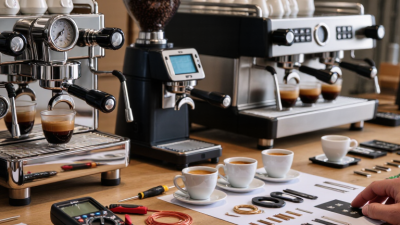
Top 10 Best Coffee Machines for Business Buyers
For business buyers, choosing a Coffee Machine is an operational decision, not just a matter of taste. The National Coffee Association’s 2024 National Coffee Data Trends report found that 67% of U.S. adults had coffee the previous day. That figure signals a familiar habit, but it does not measure demand at any particular workplace. A busy hotel breakfast room and a small office have different needs.
The right machine must match daily volume, service expectations, and the people who will maintain it. A café may need fast recovery between orders, while an office may value simple controls and dependable cleaning. Consider the real details: counter space, water access, cup sizes, milk options, and how quickly staff can learn the controls. Small inconveniences add up.
Costs matter, too. Compare purchase price with supplies, maintenance, energy use, and expected service life. USDA Foreign Agricultural Service coffee reports track global production and consumption, useful context for a market shaped by changing supply. They cannot predict your coffee bill or equipment downtime. Check supplier terms and local service coverage.
There is no universal winner. Not quite. A lower-cost model may suit light use but struggle during a rush; a premium machine may be excessive for a quiet meeting room. The Top 10 Best Coffee Machines for Business Buyers should therefore compare capacity, drink quality, ease of use, cleaning, and support—not rely on feature lists alone. Verify specifications with manufacturers, and test shortlisted models with the drinks your team actually serves.
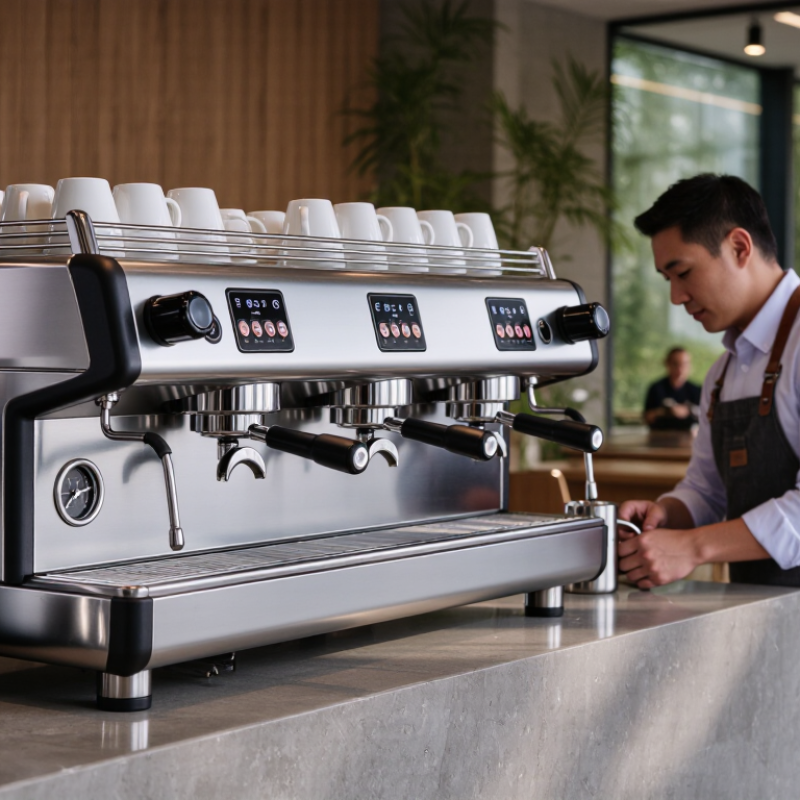
Types of Coffee Machines Used in Business Settings
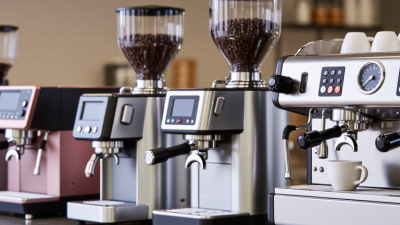
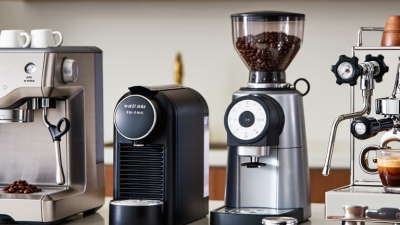
Business coffee machines generally fall into five groups: batch-drip brewers, bean-to-cup machines, espresso systems, single-serve brewers, and bulk coffee urns. Batch-drip models suit meeting rooms and busy staff kitchens; paired with insulated carafes, they keep coffee ready without constant brewing. Bean-to-cup machines grind each order and reduce staff steps, but need daily cleaning and regular servicing. A rushed cleaning routine shows up in the cup.
Espresso systems work best where trained staff can manage tamping, milk steaming, and queues. Single-serve brewers offer portion control in small offices, though their pods can add waste and ongoing cost. Urns suit conferences or cafeterias serving many people quickly, but coffee quality can decline if brewed coffee sits too long. Demand matters. The National Coffee Association’s 2024 National Coffee Data Trends report found that 67% of U.S. adults had coffee in the past day, up from 65% in its 2023 report. Those figures describe consumer habits, not office consumption, but they suggest coffee remains a familiar daily choice. Match capacity to peak periods, counter space, water access, and cleaning time—not just the machine’s advertised output. A machine that outpaces staff may deliver more maintenance than convenience.
How to Assess a Workplace’s Coffee Requirements
Assess coffee demand before comparing machine specifications. Count daily users, not total staff. A 90-person office may have only 35 people on site each day, while a busy training room can double demand at 10 a.m. Ask how many cups people drink, which drinks they expect, and whether they bring reusable mugs. Small details matter.
The National Coffee Association’s 2024 National Coffee Data Trends report found that 67% of U.S. adults had coffee the previous day. That figure signals broad demand, but it does not predict your office’s consumption. Track actual use for a week: note cup counts, busiest 30-minute periods, and when beans, milk, or cups run out. Peak traffic matters. A machine that makes 60 cups an hour may still frustrate staff if most arrive together.
Then check practical limits. Measure counter space, access to water and power, and room for waste bins. Ask who will clean the brewer and refill supplies; an unloved machine becomes a quiet source of complaints. The Specialty Coffee Association’s coffee guidance emphasizes water quality and proper cleaning as factors in consistent brewing. Do not overestimate demand from one unusually busy day. I have seen forecasts miss the mark when remote-work schedules change. Recheck the numbers after a few weeks.
Key Features to Compare Before Buying
For business buyers, the right coffee machine depends on demand at the busiest hour, not the average day. The National Coffee Association’s 2024 National Coffee Data Trends report found that 67% of U.S. adults drank coffee in the past day. That figure signals broad demand, but it is not a workplace forecast. Count actual orders during a morning rush before choosing capacity. A machine that serves one cup at a time may create a queue beside the register.
Compare brewing speed, batch size, grinder settings, and water supply. Then check cleaning steps, filter costs, warranty coverage, and local service availability. ENERGY STAR’s commercial coffee brewer listings can help buyers compare energy performance across eligible models. Still, published efficiency figures cannot predict your exact utility bill; usage, water temperature, and maintenance all matter. Measure the counter space, too. A large brewer can crowd out cups and milk containers. That detail is easy to miss.
Tips: Ask staff to time a typical rush and record how many cups they serve in 15 minutes. Compare that number with the machine’s stated output. Price filters and cleaning supplies over a year, not just at purchase. If the estimate feels uncertain, it probably is; leave some capacity for busy days.
Top 10 Coffee Machines for Business Buyers
A business coffee machine must match the way people actually work. A small office with ten daily drinkers needs different capacity from a busy reception desk serving visitors all morning. Compare brewing speed, water supply, cleaning steps, and the cost of filters or other consumables. Downtime costs money.
The strongest choices in a top-ten shortlist often include different formats: bean-to-cup machines for varied drinks, filter brewers for large batches, and pod systems for simple, measured portions. Check the manufacturer’s stated daily output, but leave room for peak demand. A machine rated for steady use may struggle when twenty people arrive at once. Measure counter space, too; a few extra centimeters can block a cupboard or walkway.
Ask who will refill, descale, and clean the machine, and how often those tasks are required. Look for clear instructions, accessible service support, and parts that can be replaced without removing half the unit. That sounds obvious. Yet teams sometimes choose by drink menu alone. I would not treat any ranking as universal: energy use, staff habits, and water quality can change the best fit, and those details are easy to underestimate. A short trial with real cups and a busy morning can reveal more than a polished specification sheet.
Top 10 Best Coffee Machines for Business Buyers
Indicative hourly serving capacity by commercial machine type
Ranges are practical planning estimates, not standardized test results. Actual output depends on machine configuration, drink recipes, service workflow, and staffing. Check individual specifications before purchasing.
Installation, Maintenance, and Ongoing Costs
A business coffee machine is only as practical as the space and services around it. Before ordering, have an installer check counter depth, nearby power outlets, water access, drainage, and ventilation. A plumbed-in model may need extra pipework; a tank-fed unit may need frequent refills during busy mornings. Ask what site preparation is included in the installation quote, and get any exclusions in writing. Measure twice.
Daily use affects maintenance costs. Hard water can leave scale inside heating parts, so ask whether filtration is recommended and how often cartridges need replacing. Staff should be shown how to rinse brewing parts, empty grounds, and clean milk-contact surfaces after use. These small routines help reduce faults, but they do take time. Check the service schedule, call-out fees, and expected response time before committing.
Ongoing costs include more than coffee and milk. Budget for filters, cleaning products, replacement seals, electricity, and occasional repairs. A service plan can make spending more predictable, though it may cost more than paying for repairs as they arise. Compare both options against your expected daily volume. It is easy to underestimate downtime: even a short outage can disrupt a queue and push staff toward less efficient alternatives. Keep a simple maintenance log, and review actual costs after the first few months; early estimates are rarely perfect.